
Modern collagen stimulation and natural skin regeneration
Radiofrequency (RF) is among the most advanced and well-researched technologies used in modern aesthetic medicine for skin rejuvenation and remodeling. Its operation is based on the controlled use of radiofrequency wave energy, which reaches the appropriate tissue layers, inducing a precise thermal effect. This triggers the body's natural repair processes, stimulates fibroblasts, and prompts the intense synthesis of new collagen and elastin. As a result, the skin gradually regains firmness, elasticity, density, and a more youthful appearance.
In recent years, RF technology has undergone tremendous development. Today, it includes not only classic microneedle radiofrequency, but also modern solutions that utilize radiofrequency energy in a different way – both for the deep remodeling of the dermis and for the intensive renewal of its surface. Differences between individual technologies primarily concern the method of energy delivery, depth of action, and clinical indications. This makes it possible to precisely tailor the therapy to the skin's biological age, the type of problem, and the expected results.
Treatments utilizing RF energy are used to treat many aesthetic concerns. They are an effective method for improving skin firmness and tightness, reducing wrinkles, acne scars, enlarged pores, stretch marks, and uneven skin texture. Depending on the technology used, they can focus primarily on remodeling deep skin structures, intensive tissue regeneration, or fractional renewal of the epidermis and dermis. This allows the therapy to be selected not for the device, but for the specific problem and needs of the patient.
One of the greatest advantages of modern RF technologies is the ability to achieve natural rejuvenation results by stimulating the body's own regenerative mechanisms. Instead of masking signs of aging, the treatments support the reconstruction of the skin structure, increase the amount of collagen fibers, and improve the organization of the extracellular matrix. This process occurs gradually, which is why the effects develop over the following weeks and months, and their longevity stems from actual tissue remodeling.
At Ambasada Urody Clinic & Spa, we utilize several complementary radiofrequency technologies that differ in their mechanism of action and scope of application. Thanks to this, we can individually select the treatment method according to the type of concern, skin condition, and expected recovery time. This approach allows us to develop a personalized treatment plan that ensures high effectiveness, safety, and the most natural and long-lasting skin regeneration results possible.
HOW DO TREATMENTS USING RF TECHNOLOGY WITH MICRONEEDLING WORK? THE BIOLOGY OF EFFECTIVE SKIN REMODELING
Microneedle radiofrequency does not work by mechanically tightening the skin or its temporary contraction. It is an advanced regenerative therapy aimed at stimulating the body's natural repair mechanisms. Combining controlled microneedling with radiofrequency energy, the treatment initiates a cascade of biological processes leading to the gradual reconstruction of the skin structure, improvement of its quality, and restoration of its biomechanical properties.
The regeneration process begins at the moment the treatment is performed, but its most important stages occur over the following weeks and months. During this time, cells responsible for healing, remodeling of support fibers, and rebuilding of the extracellular matrix are activated. That is precisely why the effects of microneedle radiofrequency develop gradually and are natural in character.
This is not a treatment that masks signs of aging or provides superficial skin smoothing. It is a biological tissue remodeling occurring in the deeper layers of the skin, resulting in an improvement of its quality, firmness, and elasticity.
- Synergy of microneedling and radiofrequency energy
The foundation of microneedle radiofrequency's action is the simultaneous use of two complementary regenerative mechanisms.
The first is controlled microneedling, which creates thousands of microscopic channels in the skin. The body recognizes them as controlled micro-injuries and triggers natural healing processes. Numerous growth factors are released, and cells responsible for tissue regeneration are activated.
The second mechanism is radiofrequency (RF) energy delivered to the appropriate skin layers using microneedles. It causes controlled heating of tissues to a temperature that stimulates collagen and elastin remodeling, while maintaining the safety of surrounding structures.
The combination of both stimuli means that microneedle radiofrequency demonstrates a significantly greater regenerative potential than microneedling alone, as it simultaneously utilizes mechanical and thermal stimulation of repair processes.
- Controlled thermal effect – the beginning of skin remodeling
The most important element of microneedle radiofrequency action is the controlled application of thermal energy in the dermis.
Under the influence of an appropriately selected temperature, partial denaturation of existing collagen fibers occurs. This does not mean their destruction, but controlled damage that triggers the body's natural repair processes. At the same time, some fibers undergo immediate contraction, which accounts for the first, subtle improvement in skin tightness visible after the procedure.
However, the most significant changes occur later. The body begins an intensive tissue remodeling aimed at producing new, better-organized support fibers and rebuilding the entire skin structure.
- Activation of fibroblasts – cells responsible for the youthful appearance of the skin
Fibroblasts play a key role in the regeneration process – cells responsible for the production of the most important components of the dermis.
They synthesize:
→ type I collagen,
→ type III collagen,
→ elastin,
→ hyaluronic acid,
→ proteoglycans,
→ glycosaminoglycans,
→ other components of the extracellular matrix.
With age, fibroblast activity gradually decreases, leading to reduced collagen production, loss of firmness, and deterioration of skin quality.
Microneedle radiofrequency does not provide ready-made collagen. Its task is to stimulate one's own fibroblasts to engage in renewed, intensive work, making the newly formed collagen a natural element of the skin.
- Neocollagenesis – the creation of new collagen fibers
One of the most important processes occurring after the treatment is neocollagenesis, meaning the production of new collagen.
Newly synthesized fibers gradually replace collagen damaged by aging, UV radiation, and environmental factors. As a result, this leads to:
→ an increase in skin density,
→ improvement of its mechanical strength,
→ increased resistance to the effects of gravity,
→ improvement in tightness and firmness,
→ smoothing of wrinkles,
→ shallowing of scars,
→ improvement of overall skin quality.
This process lasts up to several months, which is why the results of the treatment appear gradually and become increasingly visible over time.
- Collagen remodeling – organizing the skin structure
The production of new collagen fibers is only the first stage of regeneration. The next is collagen remodeling, which is the rebuilding of the entire network of support fibers.
Newly formed collagen gradually matures, undergoes reorganization, and forms a more ordered structure. As a result, the fibers become:
→ thicker,
→ better organized,
→ more strongly cross-linked,
→ more resistant to stretching.
That is precisely why after several months the skin not only looks younger, but actually regains its strength and elasticity.
- Neoelastogenesis – rebuilding of elastin fibers
Collagen is primarily responsible for skin firmness, whereas elastin determines its elasticity and capability to return to its original shape after stretching.
Microneedle radiofrequency also stimulates the process of neoelastogenesis, i.e., the creation of new elastin fibers. Thanks to this, the following are improved:
→ skin elasticity,
→ its resilience,
→ resistance to deformation,
→ the skin's natural ability to maintain a youthful appearance.
- Remodeling of the extracellular matrix (ECM)
Collagen and elastin are only part of the skin's complex structure. Equally important is the extracellular matrix (Extracellular Matrix – ECM), which forms the environment for all skin cells.
It is responsible for:
→ maintaining adequate tissue hydration,
→ intercellular communication,
→ transport of nutrients,
→ proper organization of collagen fibers,
→ mechanical strength of the skin.
Under the influence of microneedle radiofrequency, this structure also undergoes remodeling, making the skin more compact, better hydrated, and more resistant to aging processes.
- Improvement of microcirculation and skin oxygenation
The regeneration process also includes the remodeling of microcirculation. During healing, new small blood vessels are formed, which improves blood supply and tissue oxygenation.
Better microcirculation translates to:
→ more effective cell nourishment,
→ more efficient oxygen transport,
→ faster regeneration,
→ improvement of skin metabolism,
→ a healthier and more radiant complexion.
- Heat Shock Proteins – the skin's natural repair system
One of the most interesting mechanisms activated by microneedle radiofrequency is the stimulation of the production of so-called Heat Shock Proteins (HSP).
These are protective proteins produced by the body in response to the controlled action of temperature. Their task includes:
→ protecting cells from stress,
→ supporting the repair of damaged proteins,
→ regulating healing processes,
→ supporting fibroblast activity,
→ participating in collagen remodeling.
An increasing number of studies indicate that HSP activation plays a significant role in the regenerative processes occurring after treatments utilizing RF energy.
Why do the effects of microneedle radiofrequency appear gradually?
This is one of the questions most frequently asked by patients. Immediately after the procedure, a slight improvement in skin tightness can be noticed, resulting from the immediate response of some collagen fibers to the temperature. However, this is only the beginning of the regeneration process.
In the following weeks, fibroblasts intensively produce new collagen, elastin, and other extracellular matrix components. Subsequently, the newly formed fibers mature and undergo gradual reorganization, strengthening the skin structure.
Therefore, the first noticeable effects usually appear after 3–6 weeks, the improvement in skin quality builds up over the next 2–3 months, and the full result of the remodeling is typically achieved after about 3–6 months, when the collagen remodeling process comes to an end. That is precisely why microneedle radiofrequency provides natural, long-lasting effects resulting from actual skin regeneration, rather than temporary tissue tightening.
WHEN TO USE MICRONEEDLING RADIOFREQUENCY TREATMENTS?
Technologies using radiofrequency energy are used in the treatment of many aesthetic problems related to both the aging process and the deterioration of skin quality. Depending on the type of changes and their severity, the doctor selects the appropriate RF method, which allows working at various skin depths and achieving optimal therapeutic effects.
Radiofrequency treatments are worth considering if your goal is:
- Loss of skin firmness and elasticity – RF technologies effectively stimulate the production of collagen and elastin, improving skin tightness on the face, neck, décolleté, and many areas of the body, such as the abdomen, arms, thighs, or knee area.
- Wrinkles and signs of aging – help reduce both fine expression lines and deeper set furrows, while improving skin density and elasticity.
- Acne, post-traumatic, and post-surgical scars – skin remodeling leads to the gradual shallowing of scars, improvement of their structure, and evening out of the skin surface.
- Stretch marks – stimulation of regenerative processes supports the reconstruction of damaged skin, improving its structure and elasticity, and reducing the visibility of stretch marks.
- Enlarged pores and uneven skin texture – RF technologies improve the organization of collagen fibers, smooth the skin surface, and reduce the visibility of pores.
- Photoaging and sun damage – selected RF technologies support the renewal of skin showing signs of chronic exposure to UV radiation, improving its structure, tone, and overall condition.
- Thin, weakened skin requiring regeneration – appropriately selected RF technologies stimulate natural repair processes, improve skin density, and support its long-term reconstruction.
Regardless of the indication, the most important element of effective therapy is proper qualification. At Ambasada Urody, the choice of technology is always made individually, as different skin problems require a different mode of action and different treatment parameters.
WHAT EFFECTS CAN BE REALISTICALLY EXPECTED AFTER MICRONEEDLE RADIOFREQUENCY TREATMENTS?
Treatments using radiofrequency energy do not mask signs of aging, but stimulate natural regenerative processes occurring in the skin. The results develop gradually alongside the remodeling of collagen and elastin, improving the skin's appearance in a natural and harmonious way.
Depending on the technology used and individual skin needs, you can expect:
- Improved skin firmness and tightness – an increase in skin density and an improvement in its elasticity thanks to the stimulation of new collagen and elastin production.
- A natural lifting effect – an improved facial contour and a reduction in skin laxity without surgical intervention.
- Reduction of wrinkles and fine lines – smoothing of expression lines and static wrinkles, as well as an improvement in skin quality.
- Reduction in the visibility of scars and stretch marks – gradual tissue remodeling leading to the smoothing of the skin surface and an improvement in its structure.
- Tightening of enlarged pores – improved skin cohesion and a more uniform texture.
- Evening out of skin texture and tone – smoothing of irregularities and improvement in the appearance of skin showing signs of photoaging.
- Better skin hydration and quality – reconstruction of the extracellular matrix and improvement of skin function, making it softer, more elastic, and radiant.
The first effects can be noticed after just a few weeks, but full skin remodeling usually takes 3 to 6 months. The durability of the results depends, among other factors, on age, lifestyle, skin quality, consistent care, and potential maintenance treatments.
WHY CHOOSE MICRO-NEEDLING RADIOFREQUENCY TREATMENT AT AMBASADA URODY BEAUTY CLINIC?
The effectiveness of treatments using radiofrequency energy depends not only on the technology itself, but above all on proper patient qualification, the specialist's experience, and the ability to precisely tailor the method to a specific problem. That is why at Ambasada Urody Clinic & Spa, we focus on a medical approach to therapy, working with proven technologies, and individual treatment planning.
- Several complementary RF technologies – one tailored to your needs - We do not limit ourselves to a single device. We have several advanced technologies using radiofrequency energy that differ in their mechanism of action and range of indications. Thanks to this, we can select the method that best corresponds to the type of problem, skin condition, and expected results, instead of using a single solution for all patients. This approach allows us to achieve more predictable results and provides the opportunity to create a therapy tailored to individual needs.
- Experienced doctors and specialists - Each procedure is performed by aesthetic medicine doctors or experienced therapists who have completed specialized training in RF technology. Knowledge of anatomy, skin physiology, healing processes, and the operating principles of individual devices allows for the precise selection of treatment parameters and safe conduct of therapy even in more demanding cases. Our team continuously enhances its qualifications by following the development of modern technologies and current aesthetic medicine standards.
- Individual therapy planning - Every skin type ages at a different pace and requires a different approach. Therefore, we do not use ready-made treatment schemes. Before starting therapy, we assess the degree of skin laxity, its thickness, density, quality, and the presence of wrinkles, scars, enlarged pores, or stretch marks. Based on this, we select the appropriate RF technology, treatment parameters, and number of sessions, creating an individual treatment plan that ensures the best and most natural results possible.
- Modern treatment protocols - Every procedure is performed in accordance with device manufacturers' recommendations and current medical knowledge. Proper selection of depth of action, energy, exposure time, and number of pulses effectively stimulates regenerative processes while maintaining a high level of safety. Precise parameter planning is crucial for achieving optimal skin remodeling results.
- Possibility of creating combination therapies - In many cases, the best results are brought about by a properly planned combination of several regenerative methods. Depending on the indications, the doctor may include tissue biostimulators, mesotherapy, autologous therapies, or other skin rebuilding procedures in the treatment plan. Each combination therapy is planned individually and is based on current medical knowledge and patient needs.
- Safety at every stage of treatment - Safety is the foundation of every procedure performed. Treatments are preceded by a detailed consultation, assessment of skin condition, and exclusion of contraindications. We work using sterile, disposable materials and strictly adhere to hygiene standards and aseptic principles. Thanks to this, we can provide patients with the highest level of safety and comfort throughout the entire treatment process.
- Comprehensive pre- and post-treatment care - Our care does not end once the procedure is performed. Patients receive detailed post-treatment care recommendations, tips supporting skin regeneration, and a further action plan. If necessary, we monitor the healing process and plan subsequent stages of therapy so that the achieved results are as durable and harmonious as possible. Such a comprehensive approach allows us to achieve high treatment effectiveness and build long-lasting trust with our patients.
CONTRAINDICATIONS FOR MICRONEEDLE RADIOFREQUENCY TREATMENTS
Treatments using radiofrequency energy are considered safe; however, like any medical procedure, they require prior qualification. Before starting therapy, a specialist conducts a detailed health interview and assesses skin condition to rule out contraindications and ensure the highest level of safety.
The most important contraindications include:
→ pregnancy and breastfeeding,
→ active bacterial, viral, or fungal infections in the treatment area,
→ skin inflammation and unexplained skin lesions,
→ active herpes,
→ cancer or period of oncological treatment (individual qualification after completion of therapy),
→ uncontrolled diabetes and severe autoimmune diseases,
→ blood clotting disorders and use of medications significantly affecting coagulation (individual qualification),
→ implanted pacemaker, cardioverter, or other active electronic implants,
→ metal implants in the area of the planned treatment, if they constitute a contraindication for a given technology,
→ tendency to form keloids,
→ fresh tan or planned intense exposure to UV radiation,
→ procedures disrupting skin integrity performed shortly before the planned therapy.
Some contraindications are temporary. The final decision to perform the treatment is always made during consultation after a thorough assessment of health condition and the nature of the problem.
RECOMMENDATIONS AFTER MICRONEEDLE RADIOFREQUENCY TREATMENT
Proper post-treatment care plays an important role in the skin regeneration process and helps reduce the risk of side effects. Detailed recommendations may vary depending on the technology used and the intensity of the treatment, but most principles remain common to all RF procedures.
After the procedure, it is recommended to:
→ use regenerating and intensely moisturizing products recommended by a specialist,
→ apply daily sun protection with SPF 50 and avoid intense UV exposure for about 4 weeks,
→ avoid saunas, hot baths, jacuzzis, and intense physical exertion for 24–72 hours,
→ refrain from performing scrubs, exfoliating treatments, and using cosmetics with retinol or acids until the skin has fully regenerated,
→ avoid touching, rubbing, and mechanically irritating the treated area,
→ drink an adequate amount of water and maintain proper body hydration, which supports regenerative processes,
→ follow all individual recommendations provided by the doctor or therapist.
Immediately after the procedure, redness, mild swelling, a sensation of warmth, or increased skin sensitivity may occur. These are natural reactions indicating the start of the regeneration process and usually subside spontaneously within a few days. In the case of more intense treatments, the healing time may be slightly longer and depends on the type of RF technology used.
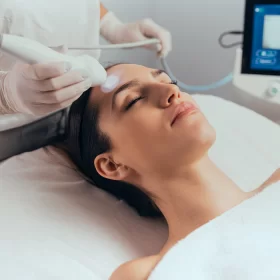
Fractional radiofrequency microneedling 3D is a new concept of fractional treatments, based on achieving a strong thermal effect in the dermis, while bypassing the epidermis. The treatment utilizes microneedling of the skin and radiofrequency (RF) energy to volumetrically heat the skin beneath its surface. By precisely targeting different layers of the skin, a 3D lifting effect is achieved - spatial firming of the skin. Deage EX supports skin regeneration by stimulating collagen and elastin production, visibly improving its firmness, tension, and elasticity. This treatment is an ideal solution for those who want to effectively reduce wrinkles, acne scars, stretch marks, and improve skin texture on the face, neck, and body.
 Main effects: firming all layers of sagging skin, rejuvenating and improving skin structure, removing wrinkles and scars.
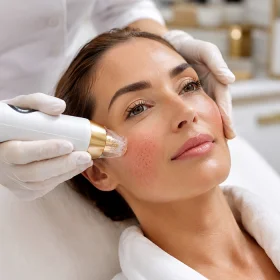
RF Combo Jector is an innovative technology that combines radiofrequency with needle mesotherapy during a single puncture, enabling simultaneous skin remodeling and precise delivery of active substances. RF energy stimulates the production of collagen and elastin, and then the preparation is delivered precisely to the planned depth, increasing the effectiveness of the therapy. The treatment improves skin firmness, density, and tension, and supports its intensive regeneration. It effectively reduces wrinkles, scars, enlarged pores, and uneven skin texture. Thanks to the possibility of individual selection of injection depth and RF parameters, the therapy can be precisely tailored to the needs of the skin.
Main effects: skin lifting and firming, stimulation of collagen and elastin, reduction of wrinkles, scars and pores, improvement of skin density, tension and structure.
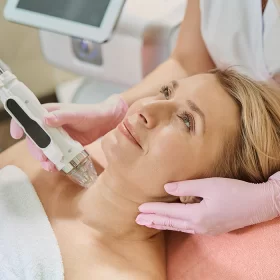
Pixel RF is a device that uniquely combines the power of fractional laser and radiofrequency energy. This allows for achieving visible, even spectacular effects in skin remodeling. It is particularly effective in the case of scars, stretch marks, or acne-related damage, but also, thanks to intensive regeneration, it smoothens wrinkles and tightens the skin, and even reduces sun damage.
Main effects: skin lifting and tightening, intensive stimulation of collagen production.
Expert opinion

Radiofrequency microneedling is one of those technologies that truly changes the quality of the skin – not only on a visual level, but above all on a structural level. The treatment works deeply, precisely, and exactly where the aging processes, loss of firmness, or the formation of unevenness begin.
In practice, it combines microneedling with the delivery of radiofrequency directly to the deep layers of the skin. It is this combination that triggers a strong stimulation of collagen and elastin fibers, leading to their contraction and rebuilding. As a result, the skin becomes denser, firmer, tighter, and smoother.
I most often recommend RF microneedling in cases of sagging skin, loss of contour, enlarged pores, acne scars, and uneven skin texture. The treatment provides very good results on the face, neck, décolletage, as well as on the body – such as inner thighs, abdomen, or arms after weight loss. Results are visible after the first treatment, but real improvement comes over time – as the skin rebuilds itself deeply and permanently.
This is an advanced skin rebuilding technology that improves its density, firmness, and elasticity in a biologically justified way. It is an excellent solution for individuals who expect visible, lasting results and want to activate the skin's natural regenerative potential – without resorting to surgical methods.
WHAT IS MICRONEEDLE RADIOFREQUENCY AND HOW DOES IT WORK?
Microneedle radiofrequency is one of the most advanced technologies used in modern aesthetic medicine to improve skin quality, density, and tightness. The treatment combines two proven mechanisms of action – precise microneedling and radiofrequency (RF) energy. Thanks to this, it affects not only the surface of the skin, but above all its deeper layers, where the processes responsible for maintaining firmness and elasticity take place.
During the treatment, thin microneedles are inserted to a pre-programmed depth into the skin. At the right moment, radiofrequency energy is emitted, causing controlled heating of the tissues. The resulting micro-injuries and thermal energy trigger the body's natural repair response. Fibroblasts – cells responsible for the production of collagen, elastin, and other components of the extracellular matrix – are activated.
The skin remodeling process does not end on the day of the treatment. Over the following weeks and months, the body gradually creates new supporting fibers, making the skin denser, tighter, and better organized. The effects appear gradually because they are the result of natural regenerative processes, rather than temporary tissue tension.
Microneedle radiofrequency is used, among other things, in the treatment of skin laxity, wrinkles, acne scars, enlarged pores, and stretch marks. Depending on the technology used, it can also be an element of more advanced regenerative therapies using tissue biostimulators or other preparations supporting skin reconstruction.
HOW DOES MICRONEEDLE RADIOFREQUENCY DIFFER FROM FRACTIONAL LASER?
Although microneedling radiofrequency and fractional lasers are often used for similar indications, they differ in their mechanism of action and the way they affect the skin. It cannot be said that one method is always better than the other – each has its strengths and specific applications.
Fractional laser uses light energy that is absorbed by water present in the tissues. This causes controlled vaporization or damage to skin fragments, which triggers its regeneration process. Depending on the type of laser, the treatment can work more superficially or deeply, and the recovery period can be longer.
Microneedling radiofrequency works differently. Energy is not delivered using light, but through a radio wave emitted by microneedles directly into the dermis. As a result, the epidermis remains largely intact, and the energy goes precisely where the collagen fibers requiring remodeling are located.
In practice, this means that microneedling radiofrequency often works better for people with skin laxity, loss of firmness, or acne scars, especially in patients with darker skin phototypes, where the risk of post-laser hyperpigmentation is higher.
At Ambasada Urody, the choice of technology is always preceded by a consultation. The doctor assesses the type of problem, skin quality, and expected results, and based on this, proposes the therapy that will be most appropriate. In many cases, the best results are also achieved through an appropriately planned combination of different technologies within a single treatment program.
WHEN IS IT WORTH CHOOSING MICRONEEDLE RADIOFREQUENCY INSTEAD OF A LASER?
The decision to choose a technology should result primarily from the type of problem and the biological needs of the skin, rather than the popularity of a specific treatment. Microneedle radiofrequency is particularly valued when the goal of therapy is the remodeling of deeper skin layers, improving its tension, and stimulating the production of new collagen without intensive damage to the epidermis.
The procedure is often recommended for individuals with loss of firmness, skin laxity of the face, neck, or décolletage, acne scars, enlarged pores, or stretch marks. It also works well for patients who expect a gradual and natural improvement in skin quality and want to reduce recovery time.
Microneedle radiofrequency can also be a beneficial solution for people with higher skin phototypes. Because radio wave energy is not dependent on melanin, the risk of post-inflammatory hyperpigmentation is usually lower than in the case of certain lasers.
However, this does not mean that radiofrequency replaces lasers in all indications. If the main problem is superficial discoloration, vascular lesions, or specific pigmented lesions, other laser technologies may be a better choice.
The most important step is the proper identification of the problem. At Ambasada Urody, we do not match the treatment to the device, but the device to the needs of the skin. As a result, the patient receives a therapy that has the greatest potential for effectiveness and safety in their individual case.
IS RADIOFREQUENCY MICRONEEDLING MORE EFFECTIVE THAN MICRONEEDLING?
Microneedle radiofrequency and classic microneedling are based on a similar premise – they use controlled micro-injuries to stimulate the skin's natural regenerative processes. The difference lies in the fact that radiofrequency adds a second, extremely important stimulus in the form of thermal energy, which enhances the tissue remodeling process.
During classic microneedling, skin stimulation results solely from the action of micro-needles. The body initiates the healing process, fibroblasts are activated, and new collagen is gradually formed. This is an effective method for improving skin quality, especially in younger individuals or those with less severe concerns.
In microneedle radiofrequency, micro-punctures are complemented by controlled heating of the dermis. RF energy causes partial denaturation of collagen fibers, their immediate contraction, and stronger activation of fibroblasts. As a result, the remodeling process is more intense and involves deeper layers of the skin.
However, this does not mean that microneedle radiofrequency will always be the best choice. In the case of young skin that requires only gentle biostimulation, classic microneedling may be fully sufficient. On the other hand, with pronounced laxity, loss of density, acne scars, or more advanced signs of aging, microneedle radiofrequency usually offers greater remodeling potential.
It is always advisable to select the best method during a consultation. The doctor takes into account the biological age of the skin, the nature of the problem, the patient's expectations, and the capabilities of individual technologies to propose a therapy that ensures the most predictable and natural results.
WHAT SKIN PROBLEMS DOES RADIOFREQUENCY MICRONEEDLING WORK BEST FOR?
Microneedle radiofrequency is a treatment whose main goal is to improve skin quality by stimulating its natural regenerative processes. It does not mask the signs of aging, but stimulates the skin to rebuild its own collagen and elastin fibers. As a result, it is used in the treatment of many aesthetic problems whose common cause is the deterioration of skin structure.
The best results are achieved in individuals with a loss of firmness and elasticity, a sagging facial contour, and laxity of the neck and décolletage. The treatment is also one of the most frequently used methods supporting the treatment of acne scars, as it remodels scar tissue and improves skin structure. Very good results can also be achieved in the case of enlarged pores, fine wrinkles, uneven skin texture, and stretch marks.
Microneedle radiofrequency is used not only on the face. It is increasingly used to improve the skin quality of the arms, abdomen, thighs, knees, or the area above the knees, where laxity and loss of tightness appear with age. Depending on the technology used, it is also possible to conduct scalp therapies supporting its regeneration.
It is worth remembering that not every aesthetic problem is an indication for microneedle radiofrequency. The treatment does not replace the treatment of vascular lesions, hyperpigmentation, or loss of facial volume, which is why a medical consultation is necessary before starting therapy. Proper qualification is precisely what allows selecting the method that best meets the needs of the skin and offers the best chance of achieving natural and long-lasting results.
AT WHAT AGE IS IT WORTH STARTING RADIOFREQUENCY MICRONEEDLING THERAPY?
There is no single age at which microneedle radiofrequency therapy should be started. Qualification for the procedure is primarily determined by the biological age of the skin, its condition, and the type of problem, rather than chronological age. In some people, the first signs of loss of firmness appear as early as around thirty years of age, while others maintain good skin quality for many years thanks to genetic predispositions and proper care.
In younger patients, microneedle radiofrequency primarily serves a preventive function. Its goal is to stimulate fibroblasts to produce collagen and maintain high skin quality before more advanced signs of aging appear. During this period, less intense treatment protocols and longer intervals between successive therapies are usually sufficient.
In people over 40 and 50 years of age, the treatment most often focuses on restoring lost skin density, improving tension, and reducing laxity. At this age, microneedle radiofrequency is often an element of comprehensive anti-aging programs and can be combined with other regenerative methods, such as tissue biostimulators or autologous therapies.
Microneedle radiofrequency is also used in young people with acne scars or stretch marks. In such cases, age is not the most important criterion – the key factors are the type of problem and the condition of the skin.
The best time to start therapy is when the skin begins to show the first signs of weakening in its structure. Early stimulation of regenerative processes often allows for maintaining good skin quality for longer and limiting the development of more advanced changes in the future.
HOW MANY MICRONEEDLE RADIOFREQUENCY TREATMENTS NEED TO BE PERFORMED?
The number of treatments depends on many factors, which is why there is no single universal scheme suitable for all patients. When planning the therapy, the doctor takes into account the biological age of the skin, the severity of the problem, the expected results, and the type of microneedle radiofrequency technology used.
In the case of anti-aging prevention or a slight loss of firmness, satisfying results can often be achieved after a single treatment, supplemented by booster therapies performed at appropriate intervals. More advanced problems, such as skin laxity, deeper wrinkles, or acne scars, usually require a series of three to five treatments.
The intervals between subsequent sessions are usually four to eight weeks. This time allows the skin to complete the first stage of regeneration and begin intensive collagen remodeling before the next stimulation. Performing treatments too frequently does not speed up the results, as the process of creating new collagen fibers takes time.
After completing the series, the doctor may recommend booster treatments performed once or twice a year. They allow maintaining fibroblast activity and supporting natural skin aging processes.
At Ambasada Urody, we do not use ready-made therapeutic schemes. Each treatment plan is created individually, because every person's skin ages at a different rate and requires a different approach. Thanks to this, the therapy is tailored to the actual needs of the patient, rather than a predetermined treatment program.
WHEN DO THE EFFECTS OF MICRONEEDLE RADIOFREQUENCY APPEAR?
Microneedle radiofrequency belongs to biostimulatory treatments, which is why the effects do not appear immediately. Their source is not mechanical skin tension nor tissue filling, but a gradual remodeling occurring as a result of the body's natural regenerative processes. That is why the results develop in stages and become increasingly visible over time.
Immediately after the procedure, some patients notice a mild skin tightening associated with the contraction of existing collagen fibers and slight post-procedure swelling. However, this is not the final effect of the therapy. The most important changes begin only when activated fibroblasts start producing new collagen and elastin.
The first improvement in skin quality is most often visible after about three to four weeks. In the following months, the skin gradually becomes firmer, denser, and more elastic. The neocollagenesis process usually lasts from three to six months, which is why the full result of the therapy can only be evaluated after this period ends.
The rate at which effects appear depends on age, skin condition, lifestyle, the number of treatments performed, and the individual regenerative capacity of the body. In younger people, improvement may be noticeable faster, whereas mature skin often needs more time to rebuild.
The most natural results are achieved when microneedle radiofrequency is part of a long-term skin regeneration program, supplemented by appropriate home care, sun protection, and a healthy lifestyle. Thanks to this, the effects not only appear gradually, but also last significantly longer.
ARE THE EFFECTS OF MICRONEEDLE RADIOFREQUENCY PERMANENT?
Microneedle radiofrequency does not stop the aging process, but it can significantly slow down its visible signs by stimulating the skin's natural regenerative mechanisms. The effects achieved after the procedure result from tissue remodeling and the production of new collagen and elastin, which makes them much more long-lasting than results achieved solely through skincare cosmetics or procedures that provide only a superficial improvement in the skin's appearance.
Newly formed collagen fibers remain in the skin for a long time; however, the body is constantly undergoing aging processes. With age, fibroblast activity gradually decreases, collagen production declines, and additionally, the skin's condition is affected by UV radiation, oxidative stress, smoking, environmental pollution, diet, and lifestyle. This means that even a highly effective therapy does not stop the changes associated with the passage of time.
For most patients, the effects last from a dozen or so months to even several years, but their longevity is an individual matter. Age, skin quality, the number of treatments performed, and regular skincare play a major role. In many cases, the doctor recommends maintenance treatments once or twice a year to maintain fibroblast activity and support natural skin remodeling.
The best results are achieved when microneedle radiofrequency is part of comprehensive anti-aging prevention. Proper home care, daily sun protection, a healthy lifestyle, and properly planned regenerative therapies allow for a significant extension of the results' duration and the maintenance of good skin quality for many years.
IS THE MICRONEEDLING RADIOFREQUENCY TREATMENT PAINFUL?
Concerns regarding pain are among the most frequently asked questions before the first microneedling radiofrequency treatment. In practice, most patients describe the treatment as well tolerated, and the experienced discomfort is significantly less than many people expect. Modern devices allow for very precise control of needle penetration depth and energy parameters, so the therapy can be tailored to the patient's individual sensitivity.
Before starting the treatment, a numbing cream is most often applied to the skin and left on for about 30–60 minutes. As a result, sensations during therapy are significantly reduced. During the treatment, the patient may feel slight pricks, a sense of warmth, or short thermal pulses, the intensity of which depends on the body area and the parameters used by the doctor.
Certain areas, such as the forehead, nose, or upper lip, can be more sensitive than the cheeks or neck. In the case of more intensive treatments performed at greater depths or in the treatment of acne scars, sensations may be slightly stronger, yet they still remain acceptable for most patients.
After the treatment is completed, a feeling of warm skin, slight tenderness, and redness resembling a reaction after intense sunbathing may persist. These symptoms usually subside within a few hours or a few days.
The comfort of the treatment also depends on the experience of the practitioner performing the therapy. Selecting the appropriate parameters, proper working technique, and an individual approach to the patient have a huge impact on both safety and the sensations experienced throughout the entire treatment.
WHAT DOES RECOVERY LOOK LIKE AFTER MICRONEEDLE RADIOFREQUENCY?
One of the greatest advantages of microneedle radiofrequency is the relatively short recovery period compared to many other skin remodeling treatments. Because energy is delivered directly to the deeper layers of the skin, the surface of the epidermis remains largely intact, which promotes faster healing.
Immediately after the treatment, the skin is usually red and slightly swollen. A burning sensation, tightness, and increased sensitivity to touch may occur. These are natural symptoms indicating the start of the regeneration process and usually subside within 24–72 hours. In some cases, especially with more intensive therapies, mild swelling may persist a bit longer.
In the following days, the skin may become slightly rough or gently peel. This is a normal stage of epidermal renewal and does not require special treatment. For a few days, it is advisable to avoid intense physical exertion, saunas, hot baths, and swimming pools in order not to aggravate the post-treatment reaction.
Proper skin care is very important. It is recommended to use regenerating and intensely moisturizing products, as well as daily sun protection with a high SPF 50 filter. UV protection reduces the risk of discoloration and supports the proper healing process.
Most patients return to daily activities as early as the day after the treatment. However, recovery time may vary depending on the type of technology used, the intensity of the therapy, and the individual predispositions of the body.
WHICH TECHNOLOGY TO CHOOSE - DEAGE EX, COMBO JECTOR RF OR PIXEL RF MICROPLASMA?
Although all three treatments use radiofrequency energy and stimulate the skin to naturally produce collagen and elastin, they were created with slightly different needs in mind. There is no single technology that will be best for everyone – the choice is primarily determined by skin condition, the type of problem, and the expected result.
- 3D Radiofrequency DeAge EX will be the best choice if your main problem is loss of firmness, skin laxity, deteriorating facial oval, wrinkles, or acne scars. This procedure is intended for people who expect intensive remodeling of the dermis and noticeable tissue densification. It works well both for the first signs of aging and for more advanced loss of skin tension on the face, neck, or décolleté.
- 2D Radiofrequency Combo Jector RF is worth considering when, in addition to skin firming, you also care about its deep regeneration and improvement of overall condition. The treatment is recommended for people with thin, dehydrated, tired skin, first or moderate signs of aging, fine lines, enlarged pores, or deterioration of skin quality. It is also a very good solution for patients for whom the doctor plans therapy using appropriately selected regenerative preparations. Depending on the needs, it is possible to perform microneedling radiofrequency or precise microneedle mesotherapy, which allows the treatment to be tailored even better to a specific problem.
- Pixel RF Microplasma is most often chosen by people whose main concerns are uneven skin structure, wrinkles, sun damage, enlarged pores, and superficial scars. Thanks to its fractional action, it intensively renews the epidermis and improves skin texture, which is why it works particularly well when the goal of therapy is to smooth the skin surface and improve its appearance. However, the procedure involves a slightly longer healing period than classic microneedling radiofrequency.
If you are not sure which technology will be right for you, you do not have to make this decision on your own. During the consultation, the doctor will assess the condition of the skin, its degree of laxity, the presence of wrinkles, scars, enlarged pores, or other aesthetic concerns, and then propose the therapy best suited to your needs. In many cases, the greatest improvement is also brought by a properly planned combination of different technologies at subsequent stages of treatment, allowing for comprehensive rejuvenation, regeneration, and improvement of skin quality.