
Natural Facelift, Beautiful Skin, and Deep Relaxation
Japanese facial massages are among the most advanced methods of manual facial therapy and natural skin rejuvenation. They combine the centuries-old tradition of Japanese massage techniques with modern knowledge in the fields of anatomy, physiology, and aging processes. They are not merely a relaxation treatment or a superficial skin massage. They constitute a comprehensive manual therapy that simultaneously affects facial muscles, fascia, subcutaneous tissue, the lymphatic system, and microcirculation, supporting the body's natural regenerative processes.
The goal of the therapy is not temporary skin tightening, but restoring proper mobility, elasticity, and balance to the tissues. Improving myofascial tone, enhancing lymphatic drainage, and stimulating microcirculation allow the face to gradually regain its freshness, natural contour, better skin quality, and a more rested appearance, while preserving fully natural facial expressions.
Regularly performed Japanese facial massages offer effective prevention against aging processes and are chosen by individuals who want to naturally improve their facial contour, increase skin firmness, and reduce the formation of wrinkles. They can serve as a standalone anti-aging therapy or a valuable complement to modern cosmetology and aesthetic medicine, supporting tissue condition and helping maintain a youthful facial appearance without surgical intervention and without recovery downtime.
HOW DOES JAPANESE FACIAL MASSAGE THERAPY PROCEED?
Japanese facial massages are not performed according to a single, repetitive pattern. Each therapy begins with an assessment of skin condition, muscle tone, tissue mobility, and the client's individual needs. As a result, the intensity, pace, and selection of techniques are adapted to the biological age of the skin, the degree of firmness loss, the presence of swelling, or chronic muscle tension. Such an individual approach allows for natural and harmonious results while maintaining complete safety of the therapy.
Each treatment is a well-thought-out sequence of stages in which each subsequent element prepares the tissues for the next one. As a result, the therapy works on multiple levels, covering not only the skin, but also muscles, fascia, and the lymphatic system.
- Consultation and tissue assessment
→ analysis of skin condition and its degree of elasticity,
→ assessment of mimetic muscle and masticatory muscle tone,
→ identification of swelling and lymphatic stasis,
→ determination of areas requiring special attention,
→ selection of techniques and therapy intensity tailored to individual needs.
- Preparation of tissues for therapy
→ gentle relaxation techniques soothing the nervous system,
→ gradual warming up of the skin and deeper tissue layers,
→ improvement of microcirculation and increased tissue elasticity,
→ preparation of muscles and fascia for more intensive manual work.
- Intensive manual therapy
→ precise work with mimetic muscles responsible for facial expression,
→ fascial tissue work improving their mobility,
→ lifting techniques supporting natural skin tension,
→ mobilization of deeper structures of the face, neck, and neckline,
→ stimulation of natural tissue regenerative processes.
- Lymphatic drainage and swelling reduction
→ improvement of lymphatic outflow,
→ reduction of fluid stasis in tissues,
→ reduction of facial and eye area swelling,
→ improvement of facial contours and a feeling of lightness.
- Calming and harmonization stage
→ gentle relaxation techniques soothing the tissues,
→ restoration of muscle tension balance,
→ deep relaxation of the entire body,
→ consolidation of the results achieved during therapy.
Each Japanese facial massage uses its own characteristic manual techniques and focuses on slightly different aspects of working with tissues. However, they are all united by a common philosophy: restoring the natural balance of muscles, fascia, and skin, thanks to which the face regains freshness, better tone, and a younger, more rested appearance. The best and most lasting results are achieved during an individually selected series of treatments, the course of which is adapted to tissue response and therapy progress.
WHY ARE JAPANESE FACIAL MASSAGES SO EFFECTIVE?
The effectiveness of Japanese techniques stems from simultaneous work on multiple tissue levels. Each movement of the therapist is performed with a specific goal and appropriate depth, thanks to which the treatment affects not only the appearance of the skin, but also the mechanisms responsible for its condition.
During therapy, the following are stimulated, among others:
→ microcirculation responsible for better oxygenation and nourishment of the skin,
→ natural lymphatic drainage supporting the reduction of swelling and improving fluid drainage,
→ facial muscles, whose chronic tension affects the setting of wrinkles and changes in the facial contour,
→ fascial tissues responsible for smooth gliding and proper tension of individual facial layers,
→ nerve receptors involved in the regulation of muscle tension and the activation of the parasympathetic system responsible for body regeneration.
It is precisely this simultaneous work on all these structures that distinguishes Japanese massages from classic cosmetic massages.
WHEN IS IT WORTH CONSIDERING A JAPANESE FACIAL MASSAGE?
Japanese facial massages are suitable both for people who notice the first signs of aging and for those who want to consciously care for their skin condition and prevent age-related changes from becoming permanent. Manual therapy also works well for people exposed to chronic stress, facial muscle tension, or swelling. Thanks to an individual selection of techniques, the treatment can serve aesthetic, preventive, and therapeutic functions.
It is worth considering a Japanese facial massage if:
- you notice the first signs of aging, such as loss of skin firmness and elasticity, fine mimic wrinkles, deteriorating facial oval, and less defined contours of the cheeks and jawline,
- you struggle with facial swelling, morning puffiness, bags under the eyes, or lymphatic stasis causing a feeling of tissue heaviness,
- you feel chronic tension in the muscles of the face, neck, and nape associated with stress, intense computer work, or maintaining one position for a long time,
- you have a tendency to clench your teeth or excessive tension in the masticatory muscles; massage can be a valuable supplement to comprehensive therapy conducted by appropriate specialists,
- your skin has lost its natural radiance, has an uneven tone, looks tired, and needs stimulation of natural regenerative processes,
- you want to maintain skin firmness and a youthful facial appearance for as long as possible, choosing natural methods for preventing aging processes,
- you use cosmetological or aesthetic medicine treatments and are looking for a therapy that supports tissue condition and helps maintain the results of professional procedures,
- you care about deep relaxation, stress reduction, and unwinding, while at the same time improving the appearance and condition of your facial skin.
Japanese facial massages are particularly valued by people who expect subtle, natural effects and want to care for a youthful appearance in a harmonious way. Regularly performed therapy supports skin condition, improves muscle and fascia function, and helps maintain a fresh, well-rested facial appearance for many years. At the same time, it is worth remembering that the effects depend on the individual characteristics of the tissues, regularity of treatments, and comprehensive skin care.
JAPANESE FACIAL MASSAGE - THE PATH TO NATURAL BEAUTY
Japanese facial massages do not work solely on the skin's surface. Their goal is to improve tissue functioning, reduce chronic myofascial tension, and stimulate the body's natural regenerative processes. As a result, the effects are harmonious and natural, and the face looks more rested, fresher, and younger without changing its individual features.
Regularly performed therapy can bring the following benefits:
- Improvement of the facial oval and clearer contours
→ reduction of sagging in the lower part of the face,
→ better definition of the jawline,
→ optical lifting of the cheeks,
→ more harmonious facial proportions resulting from improved tissue tension.
- Natural smoothing of signs of aging
→ shallowing of fine expression lines,
→ reduction in the visibility of skin creases associated with chronic muscle tension,
→ improvement in skin smoothness and elasticity,
→ a more rested and radiant appearance of the face.
- Improvement in skin quality and condition
→ better oxygenation and nourishment of tissues through stimulation of microcirculation,
→ healthier skin tone,
→ greater softness and suppleness,
→ improvement in the natural radiance of the complexion.
- Reduction of swelling and lymphatic stasis
→ reduction of morning facial puffiness,
→ reduction of swelling around the eyes,
→ a feeling of lightness in the tissues,
→ more defined facial features due to improved lymphatic drainage.
- Relaxation of muscles responsible for expression lines
→ reduction of excessive tension in the forehead muscles,
→ relaxation of the area between the eyebrows,
→ reduction of muscle tension around the mouth and nose,
→ more relaxed, natural facial expressions without a feeling of stiffness.
- Reduction of tension in the masticatory muscles and temple area
→ relaxation of muscles overloaded by stress,
→ reduction of the feeling of jaw clenching,
→ greater comfort in the area of the temporomandibular joints,
→ relaxation of the face, neck, and nape.
- Improvement in tissue mobility and fascial elasticity
→ reduction of sliding restrictions between individual tissue layers,
→ greater elasticity of muscles and fascia,
→ improvement in the natural function of mimic muscles,
→ better cooperation of structures responsible for supporting the face.
- Support for natural regenerative processes
→ stimulation of physiological skin renewal processes,
→ improvement of conditions conducive to tissue regeneration,
→ better preparation of the skin for professional cosmetological treatments,
→ support for long-term anti-aging prevention.
- Deep relaxation of the body
→ calming of the nervous system,
→ reduction of symptoms of chronic stress,
→ improvement of psychophysical comfort,
→ a feeling of relaxation persisting also after the treatment ends.
The most noticeable aesthetic effects develop gradually along with the improvement in tissue condition. Already after the first treatment, many people observe a fresher skin appearance, reduced swelling, and a feeling of lightness in the face. In the case of improving firmness, the facial oval, or muscle tension, the best results are brought by an individually selected series of treatments and regular maintenance therapy. Thanks to this, the achieved effects are more stable and align with the body's natural regeneration processes.
WHY IS IT WORTH PERFORMING JAPANESE FACIAL MASSAGES PREVENTATIVELY AS EARLY AS AFTER THE AGE OF 30?
The skin aging process begins much earlier than clearly visible wrinkles appear. As early as around 25–30 years of age, collagen and elastin production gradually decreases, microcirculation deteriorates, and the skin's natural regenerative processes slow down. At the same time, tension in facial muscles increases, fascia elasticity deteriorates, and the lymphatic system begins to drain fluids from tissues less effectively. It is these changes that over time lead to a loss of firmness, worsening of the facial contour, and the setting in of wrinkles. (pmc.ncbi.nlm.nih.gov)
Therefore, a modern approach to anti-aging does not focus exclusively on reducing already existing signs of aging, but primarily on their prevention. Regularly performed Japanese facial massages support the body's natural regenerative processes, helping to maintain healthy, firm, and radiant skin as well as proper tissue condition for longer.
Preventative Japanese facial massages performed after the age of 30 allow you to:
- Slow down the appearance of the first signs of aging, helping to maintain skin firmness, elasticity, and a healthy appearance for longer.
- Improve the facial contour, supporting proper muscle and tissue tone and limiting the gradual loss of contours.
- Reduce tension in facial muscles, which over time can lead to the setting in of wrinkles and features of fatigue.
- Stimulate microcirculation and improve lymphatic drainage, making the skin better oxygenated, nourished, and less prone to swelling.
- Support the skin's natural regenerative processes, improving its quality, tone, and ability to rebuild.
- Help maintain natural facial expressions and harmonious features without the exaggerated effect characteristic of more invasive methods.
- Serve as an excellent complement to conscious anti-aging skincare, allowing the effects of professional cosmetological and aesthetic medicine treatments to be maintained for longer.
The best results are achieved when therapy is started before advanced signs of aging become established. That is why more and more specialists in cosmetology and anti-aging therapies recommend preventative facial massages as early as after the age of 30. Regular work with the muscles, fascia, and lymphatic system allows the face to retain its natural firmness, freshness, and harmonious appearance for longer, while reducing the need to resort to more invasive methods in the future. (pmc.ncbi.nlm.nih.gov)
WHY IS IT WORTH CHOOSING JAPANESE FACIAL MASSAGES AT AMBASADA URODY CLINIC & SPA?
The effectiveness of Japanese facial massage depends not only on the chosen technique, but above all on the knowledge, experience, and precision of the therapist. It is an advanced manual therapy requiring an excellent knowledge of facial anatomy, the course of facial muscles, the fascial system, lymphatic vessels, and the physiology of aging processes. Therefore, the quality of the treatment is primarily determined by the competence of the person performing it.
One of Poland's most experienced teams of manual facial therapy specialists works at Ambasada Urody Clinic & Spa. They regularly participate in training courses, perfecting their skills in the most valued manual lifting methods and modern anti-aging therapies. Thanks to this, every therapy is based not only on a perfect mastery of massage techniques, but also on a deep understanding of the functioning of facial tissues.
Our philosophy is an individual approach to every client. We do not perform massages according to a single pattern. Before starting the therapy, we assess skin condition, muscle tension, tissue mobility, and the presence of swelling in order to select techniques that best suit the needs of a given face and the expected results.
Why do our clients choose Ambasada Urody Clinic & Spa?
→ treatments are performed by certified therapists specializing in manual facial therapies,
→ they regularly upgrade their qualifications and train in the most valued methods of Japanese facial massages,
→ they possess an excellent knowledge of facial anatomy, muscle physiology, and fascial therapy,
→ they select techniques individually tailored to the biological age of the skin, tissue quality, and muscle tension,
→ each therapy is personalized and adapted to the needs of the specific individual,
→ our goal is not only to improve the appearance of the skin, but also to restore proper tissue function and support long-term natural regenerative processes.
By choosing Japanese facial massages at Ambasada Urody Clinic & Spa, you choose experience, safety, and the highest standard of manual therapies. It is precisely the knowledge, precision, and individual approach of our specialists that make the treatment something more than a massage – it is a conscious therapy supporting tissue health, natural beauty, and long-term prevention of aging processes.
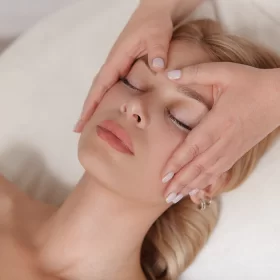
Japanese Kobido facial massage is one of the oldest and most technically advanced massages in the world. Recognized as "royal" among Japanese techniques, Kobido combines the most and most complex manual techniques, with its main feature being the exceptional speed of hand and finger movements. The therapist's dynamic pace of work affects various layers of the skin, muscles, and tissues, providing a deep regeneration effect and a natural lift. These actions stimulate microcirculation, improve skin elasticity, and reduce wrinkles, bringing visible, long-lasting rejuvenation effects.
 Main effects: improving skin firmness and facial contours, smoothing wrinkles, tightening skin around the eyes, lifting cheeks and eyelids.
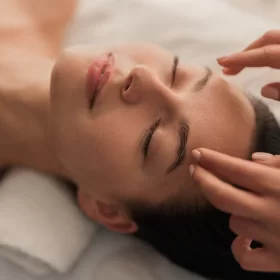
Hadado Massage, also known as advanced Kobido 2.0, is a masterful level of Japanese massage art that combines ancient techniques of classical Kobido with modern methods of manual work on muscles, fascia, and adipose tissue. Every movement, its tempo, depth, and strength are crucial, leading to multi-layered stimulation of the skin. The result is not only a visible improvement in facial appearance but also deep relaxation and simultaneous rejuvenation of the skin. It is a comprehensive treatment that works on multiple levels, restoring firmness, elasticity, and healthy glow to the skin.
Main effects: skin rejuvenation, firming and lifting of the face, improvement of facial contour, smoothing of wrinkles, reduction of muscle tension
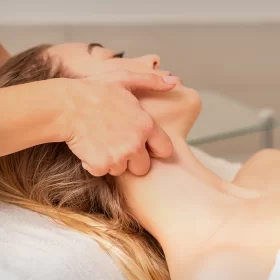
Japanese cosmo face lifting is a holistic rejuvenating treatment developed by Lone Sorensen, which non-invasively smooths wrinkles, improves facial contour, and enhances facial radiance. By stimulating points and zones on the face, it deeply affects the tissues, stimulating the natural regeneration processes of the face and the entire body.
Main effects: smooths wrinkles and makes the skin glow, stimulates natural regeneration processes, tones and firms the skin.

Japanese 3D face massage provides visible and long-lasting effects that are difficult to achieve with other methods. It is a completely natural and non-invasive form of face lifting and rejuvenation. Japanese face massage not only positively impacts the improvement of appearance but also on well-being and getting rid of accumulated stress. The treatment stimulates microcirculation, firms the skin, and restores its natural elasticity. When performed regularly, it also has therapeutic effects by harmonizing the flow of energy in the body and supporting internal balance.
Main effects: improves skin appearance, reduces swelling, diminishes under-eye circles.
DOES JAPANESE FACE MASSAGE REALLY WORK?
Yes, provided that it is performed by a properly qualified therapist and carried out regularly. Japanese facial massages are among the most advanced methods of facial manual therapy. They do not act solely on the surface of the skin, but also encompass facial expression muscles, fascia, subcutaneous tissue, and the lymphatic system. Thanks to this, they support the body's natural regenerative processes, improve tissue mobility, stimulate microcirculation, and enhance lymphatic drainage.
Many people notice the first effects, such as a reduction in puffiness, improved skin tone, or a more rested facial appearance, right after the first treatment. On the other hand, improvements in skin firmness, tissue elasticity, facial contours, and the reduction of muscle tension develop gradually throughout a whole series of treatments. This is a natural process resulting from systematic work with the tissues.
It is worth remembering that the effectiveness of the therapy depends on many factors, including the biological age of the skin, lifestyle, daily skincare, and the regularity of the massages. Therefore, Japanese facial massage should be treated as an element of long-term anti-aging prevention, rather than a one-time treatment providing a lasting rejuvenation effect.
HOW OFTEN TO PERFORM JAPANESE FACIAL MASSAGE?
The optimal frequency of Japanese facial massages depends on age, skin condition, tissue quality, and the goal of the therapy. Treatments are planned differently for a person who wants to prevent aging processes, and differently for a person who expects an improvement in the facial contour, a reduction in muscle tension, or a reduction in swelling.
Most commonly, it is recommended to perform a series of about 6–10 treatments carried out once or twice a week. This intensity allows for a gradual improvement in the functioning of muscles, fascia, and the lymphatic system, and consolidates the achieved results. After completing the series, it is worth performing maintenance treatments on average once every 3–6 weeks to maintain good tissue condition.
For people over 30 years of age, massages are often preventive in nature and can be performed less frequently. However, with more advanced signs of aging or increased muscle tension, therapy usually begins with a more intensive series. The best therapy plan is always determined individually during a consultation with a specialist.
WHEN DO THE FIRST EFFECTS OF JAPANESE FACIAL MASSAGE APPEAR?
First results can be noticed after the very first session. The skin often looks more radiant, better oxygenated, and rested, swelling decreases, the facial contour improves, and the muscles become more relaxed. These are primarily the effects of improved microcirculation and enhanced lymphatic drainage.
However, a deeper improvement in tissue quality requires more time. Skin firmness, elasticity, improvement of the facial oval, and reduction of muscle tension develop gradually with subsequent treatments. This process results from the natural adaptation of tissues and the support of their physiological regenerative mechanisms.
The pace at which results appear is individual and depends, among other things, on the biological age of the skin, the degree of firmness loss, lifestyle, stress level, sleep quality, and consistency of the therapy. That is why the best results are achieved by people who treat Japanese facial massages as part of regular anti-aging prevention, rather than a one-time treatment before an important event.
CAN JAPANESE FACIAL MASSAGE REPLACE AESTHETIC MEDICINE PROCEDURES?
Japanese facial massages and aesthetic medicine treatments use completely different mechanisms of action, which is why they should not be treated as competing solutions. Manual therapy focuses on improving the function of muscles, fascia, microcirculation, and the lymphatic system. Its goal is to support the body's natural regenerative processes and improve tissue quality.
Aesthetic medicine, on the other hand, uses products or modern technologies that allow specific results to be achieved through other methods. In many cases, both forms of therapy can complement each other. Manual work with tissues helps improve their condition, reduce muscle tension, and support natural regeneration, which can beneficially affect overall skin quality.
For people who prefer natural rejuvenation methods, Japanese facial massages can be an effective preventive therapy. In turn, individuals using cosmetological treatments or aesthetic medicine often choose them as a supplement to a comprehensive anti-aging program. The choice of the best method should always be determined by individual skin needs, expected results, and consultation with a specialist.
DOES JAPANESE FACIAL MASSAGE HELP WITH WRINKLES?
Yes, regularly performed Japanese facial massage can contribute to reducing the visibility of fine lines and slowing down the deepening of expression wrinkles. This is because manual therapy affects not only the skin, but also the facial muscles, fascia, and subcutaneous tissue. Relaxing overly tense muscles, improving microcirculation, and enhancing nutrient exchange promote better skin condition and its natural regeneration.
However, it is worth remembering that Japanese facial massage does not “remove” wrinkles immediately, nor does it act like treatments using fillers or botulinum toxin. Its goal is to gradually improve tissue quality and support the physiological processes responsible for maintaining skin firmness and elasticity. As a result, the achieved effects look very natural and do not alter individual facial features.
The greatest benefits are achieved by people who start therapy at the stage of the first signs of aging and regularly undergo preventive treatments. Combining professional massages with appropriate home care, a healthy lifestyle, and sun protection allows for more effective slowing down of aging processes and maintaining a youthful and fresh appearance of the skin for longer.
DOES JAPANESE FACIAL MASSAGE HELP WITH SWELLING AND BAGS UNDER THE EYES?
Yes. One of the most characteristic effects of Japanese facial massages is the improvement of the functioning of the lymphatic system and facilitating the drainage of excess fluid from tissues. That is why, even after the first treatments, many people notice a reduction in morning facial puffiness, a decrease in swelling, and a more defined contour of the jawline and cheeks.
Bags under the eyes and swelling do not always result solely from the aging process. They are often a consequence of chronic stress, insufficient sleep, a sedentary lifestyle, impaired lymphatic circulation, or prolonged work in front of a computer. Gentle drainage techniques used during Japanese massages support the natural flow of lymph, improve microcirculation, and help reduce fluid stagnation in tissues.
However, it should be remembered that if the swelling is chronic or associated with systemic diseases, massage alone will not remove its cause. In such cases, it is worth consulting a doctor. In healthy individuals, however, regular manual therapy can effectively support the proper functioning of the lymphatic system and improve the appearance of the face.
DOES JAPANESE FACIAL MASSAGE HELP WITH BRUXISM?
Japanese facial massage can be a valuable element supporting bruxism therapy, especially if the problem is accompanied by excessive tension of the masticatory muscles, a feeling of facial stiffness, temple pain, or overload in the area of the temporomandibular joints. Appropriately selected manual techniques help relax muscles, improve their elasticity, and reduce discomfort resulting from chronic tooth clenching.
However, it should be emphasized that bruxism is a disorder with a complex background and may result, among other things, from stress, malocclusion, sleep disorders, or dental problems. For this reason, massage alone does not eliminate the cause of the condition and should not be treated as the sole form of treatment.
The best results are achieved when manual therapy is an element of a comprehensive approach involving cooperation with a dental physiotherapist, dentist, orthodontist, or another specialist. In such cases, Japanese facial massage helps reduce muscle tension, improve quality of life, and support the effects of the ongoing therapy.
Expert opinion

Japanese facial massage is more than just a technique for me – it is a philosophy of skincare where beauty stems from balance, precision, and mindful touch. Working with the face for years, I see how crucial the rhythm, direction, depth of pressure, and attentiveness are – and I find all of these in Japanese manual methods.
In my practice, I incorporate various approaches stemming from this tradition – such as Kobido, Hadado, Cosmolifting (Lone Sorensen method), as well as Japanese 3D Lifting. Each of these massages has its own structure and goal, but they are united by one thing: non-invasive yet intensive action that stimulates the skin's natural regeneration processes, improves its quality, elasticity, and radiance.
These methods are perfect for those who do not want to interfere with facial expressions but seek real improvement in facial contour, reduction of tensions (e.g., around the jaw, forehead, eyes), smoothing of features, and brightening of the complexion. Regular sessions influence blood circulation, work of deep muscles, tissue drainage, and also harmonize emotions and calm the nervous system.
It is a conscious, consistent work that strengthens tissue structure with each session, releases tensions, and restores natural harmony to the face – giving the whole body a sense of lightness and presence. For me, these are some of the noblest forms of facial work. Subtle, effective, and deeply respectful of natural beauty.