
Medical medium-depth and deep peels
Medium-depth and deep peels are advanced medical procedures used for intensive skin regeneration and remodeling. Unlike cosmetic peels, they act much deeper, covering not only the superficial layers of the epidermis but also deeper structures responsible for skin quality, density, and tension.
Procedures of this type are performed exclusively by a physician, as they require extensive experience, precise qualification, and conscious management of the healing process. Their action is based on controlled damage to selected skin layers, which triggers intensive regenerative processes, tissue remodeling, and the creation of a new, more organized epidermis.
Medium-depth and deep peels are among the most effective methods for improving skin quality without surgery. They are particularly effective in therapies for photoaging, discoloration, acne scars, uneven skin texture, and more established signs of aging.
HOW DO MEDICAL PEELS WORK?
During the treatment, specialized chemical preparations with an appropriately selected composition and concentration are applied to the skin. Active substances penetrate into specific layers of the skin, triggering a controlled reaction leading to exfoliation and intensive regeneration.
Depending on the type of peel, the process may include:
- controlled removal of damaged epidermal layers,
- regulation of excessive keratosis,
- stimulation of cellular renewal,
- stimulation of fibroblasts to produce collagen,
- improvement of skin structure and density,
- reduction of accumulated pigment,
- remodeling of skin damaged by UV radiation,
- smoothing of irregularities and post-acne lesions.
The effect of the peel is not only skin exfoliation. The most important processes occur in the weeks following the treatment, when the skin undergoes intensive regeneration and reconstruction.
WHO ARE MEDIUM-DEEP AND DEEP PEELS INTENDED FOR?
Medical peels are recommended for individuals for whom superficial cosmetological procedures prove insufficient or when the problem involves deeper skin layers.
The most common indications include:
- sun discolorations,
- post-inflammatory hyperpigmentation,
- uneven skin tone,
- photoaging,
- sun-damaged skin,
- superficial and moderate wrinkles,
- loss of skin freshness and smoothness,
- enlarged pores, acne scars,
- seborrheic skin, keratinization disorders,
- uneven skin texture, dull skin lacking tension,
- aging prevention with deteriorating skin quality.
Eligibility for the procedure is always determined by a doctor after evaluating the skin type, its reactivity, phototype, and the risk of post-inflammatory hyperpigmentation.
WHAT TO EXPECT AFTER THE TREATMENT?
Medium-depth and deep peels are associated with a distinct recovery period. The intensity of the skin's reaction depends on the type of preparation, the depth of action, and the individual reaction of the body.
After the procedure, the following may occur:
- skin redness,
- swelling lasting up to 48 hours,
- feeling of tightness and burning,
- darkening of the skin in the treatment area,
- intense peeling,
- formation of scabs,
- temporary skin hypersensitivity,
- temporary changes in skin tone,
- occasionally small blisters or erosions.
The peeling process usually begins a few days after the procedure and may last for about 7-12 days. During this time, the skin requires special protection and very gentle care.
Erythema and increased skin sensitivity may persist longer, especially after deeper peels. This is a natural part of the regenerative process and tissue remodeling.
WHAT ARE THE EFFECTS OF MEDICAL PEELS?
Medium-deep and deep peels are among the most effective methods for improving skin quality without the need for surgical intervention. Their action is not limited solely to exfoliating the epidermis. The most important processes occur deeper — at the level of regeneration, remodeling, and stimulation of the skin for renewal.
The range of effects depends on the type of peel, the depth of action, the skin's condition, and the problem being treated. After therapy, the skin usually becomes more uniform, smoother, fresher, and of clearly better quality; however, the regeneration process takes time and occurs gradually.
After medical peels, you can expect:
- smoothing of the skin structure - the skin surface becomes more uniform, soft, and noticeably smoother to the touch, which is particularly visible in the case of rough, thickened, and uneven skin,
- reduction of discolorations - peels help to gradually lighten sun spots, post-inflammatory hyperpigmentation, and uneven skin tone, making the complexion look cleaner and more radiant,
- improvement in the quality of sun-damaged skin - the visibility of photoaging symptoms, such as roughness, dullness, uneven pigmentation, or fine lines, is reduced,
- shallowing of fine wrinkles - especially those related to dehydration, photoaging, and loss of epidermal quality; the skin may look more rested and less tired,
- improvement of skin tension and density - deeper-acting peels stimulate regenerative processes and skin remodeling, which can gradually improve its firmness and elasticity,
- reduction in the visibility of acne scars - appropriately selected peels help to smooth skin irregularities and improve its structure, especially in therapies performed in series,
- reduction of seborrhea and acne lesions - the skin becomes less oily, and the number of blackheads and inflammatory lesions may be reduced,
- narrowing of enlarged pores - improvement in skin quality and tension often makes pores less visible,
- refreshing and revitalization of the complexion - the skin regains a fresher appearance, reflects light better, and looks more rested,
- improvement of skin tone - the complexion becomes more uniform, radiant, and visually healthier,
- stimulation of regenerative processes - controlled exfoliation triggers natural skin renewal mechanisms, which supports its long-term remodeling and quality improvement.
The first effects are usually visible after the exfoliation process is complete and the skin has healed. In the case of medium-deep and deep peels, full improvement may continue to develop over the following weeks, as skin remodeling is a biological process that requires time.
The durability of the effects depends, among other things, on the age of the skin, lifestyle, level of exposure to UV radiation, home care, and the regularity of therapy. Daily photoprotection is particularly important, as solar radiation is one of the main factors accelerating the recurrence of discolorations and aging processes.
CONTRAINDICATIONS FOR PEELS
Before performing a medical peel, a medical consultation and qualification for the procedure are necessary. The safety of the therapy depends not only on the preparation itself, but also on the correct assessment of the skin and the patient's health status.
The most important contraindications include:
- pregnancy and breastfeeding,
- active skin infections,
- herpes,
- inflammation in the treatment area,
- fresh tan,
- intense sun exposure,
- broken epidermal continuity,
- isotretinoin therapy,
- tendency for keloids,
- active dermatological diseases,
- certain autoimmune diseases,
- severely irritated skin,
- allergy to the ingredients of the preparation,
- uncompensated chronic diseases.
POST-TREATMENT RECOMMENDATIONS
Proper post-peel care has a huge impact on the safety of the therapy and the final effect of skin regeneration. The healing period requires patience and consistent adherence to recommendations.
After the treatment, you should:
- use regenerating preparations recommended by the doctor,
- use very gentle cleansing agents,
- avoid mechanical irritation,
- do not scratch off peeling epidermis,
- do not remove scabs,
- refrain from peels and irritating cosmetics,
- avoid saunas, swimming pools, and intense exercise,
- use high sun protection SPF 50,
- completely avoid tanning,
- protect the skin from UV radiation for at least 30 days.
Photoprotection after medium-deep and deep peels is one of the most important elements of the therapy. It is UV radiation that constitutes one of the main risk factors for post-inflammatory hyperpigmentation and improper skin healing.
WHY DO DEEP PEELS REQUIRE A DOCTOR'S EXPERIENCE?
Medium-deep and deep peels are procedures that require a very good knowledge of skin biology, healing processes, and tissue reactions to chemical substances. Even minor differences in application time, the number of layers of the product, or patient qualification can significantly affect the regeneration process.
An experienced doctor assesses not only the aesthetic problem but also:
- skin thickness and reactivity,
- risk of discoloration,
- tendency for scarring,
- previous treatments,
- the skincare routine used,
- sun exposure,
- the skin's regenerative capabilities.
In modern aesthetic medicine, a deep peel should not be performed aggressively "for stronger exfoliation." The best results are achieved through conscious, controlled skin remodeling while maintaining its safety and natural appearance.
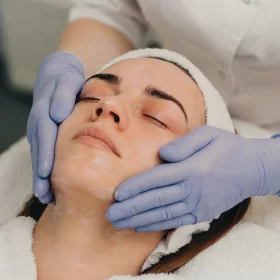
An innovative, medium-depth chemical peel designed for all skin types, including darker phototypes (I-VI). It contains a unique combination of acids (including TCA, kojic, salicylic, and retinoic acids), vitamin C, and glutathione - a powerful antioxidant with brightening and anti-aging properties. With this advanced formula, the peel effectively removes discoloration, reduces wrinkles, smooths skin texture, enhances skin tone, and minimizes pore visibility. The treatment is safe, quick, and requires minimal downtime, with visible results after just one application.
 Main effects: improvement of skin tone and texture, elimination of discoloration, reduction in the visibility of pores, rejuvenation, and improvement in skin tightness.
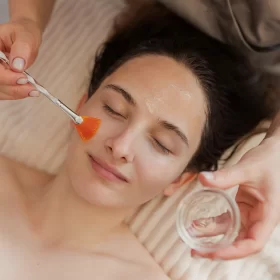
An intense cosmetic procedure that utilizes trichloroacetic acid with strong exfoliating properties. This substance penetrates deep layers of the skin, stimulating regenerative processes, promoting cell renewal, and boosting collagen and elastin production. As a result, the procedure effectively removes dead skin cells, smooths the skin's texture, and enhances its overall condition. TCA peel is particularly recommended for individuals with visible discoloration, wrinkles, acne scars, or signs of aging, with noticeable results visible just a few days after the treatment.
Main effects: refreshing, smoothing, and regenerating the skin, reducing wrinkles, spots, discoloration, and scars.
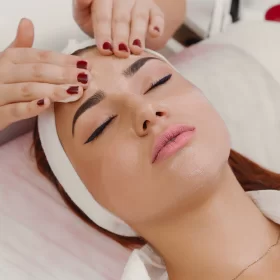
Vi peel is a unique new generation peel. Called "Miracle Peel", that is, a miracle peel, it was created in 2006 in California and quickly gained recognition, also among the stars. It has become the most wanted peel in Hollywood. Today its activities are promoted by Demi Moore or Sharon Stone. Vi peel contains a synergistic combination of strong ingredients such as: TCA, phenol, salicylic acid, tretinoic acid and vitamin C, which gives a very strong effect with good patient tolerance.
Main effects: improvement of skin appearance, texture, and tone.
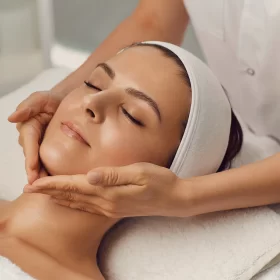
Cosmelan is a new generation preparation with a strong depigmentation effect, which allows you to effectively get rid of pigmented spots. It restores smoothness and radiance to the skin. Cosmelan therapy can be used for all skin types and discolorations of various etiology. It is one of the most effective treatments for hormonal discoloration - melasma. Very good results are obtained in the case of oily and combination skin, because in addition to getting rid of pigmented spots, it regulates the secretion of sebum and narrows the pores.
Main effects: improvement of skin condition, reduction of discoloration.