
The skin around the eyes is exceptionally delicate and requires proper care starting from the age of 20, when the natural production of collagen begins to decrease. The first signs of changes may appear as early as 25 years old, but the appearance of this area is influenced not only by the aging processes but also by other factors such as genetics, lifestyle, or fatigue.
We offer a wide range of treatments tailored to different eye area concerns. Whether you want to improve the condition of the skin, restore its firmness, reduce the visibility of imperfections, or refresh your look - you will find effective solutions with us.
Discover treatments tailored to your needs and enjoy a radiant appearance.
WHY DOES THE EYE AREA AGE FASTER THAN THE REST OF THE FACE?
The eye area is an exceptionally delicate region and is biologically more susceptible to aging processes than other parts of the face. This results from both the anatomical structure of the skin and the immense intensity of facial muscle activity, as well as high exposure to external factors. That is why the first signs of aging most often appear around the eyes – frequently even before the age of 30.
This process is multi-factorial and includes both natural changes occurring in the skin with age and the influence of lifestyle, genetics, and environment.
- Thinner and more delicate skin
The skin around the eyes is up to 3–5 times thinner than in other areas of the face. It contains fewer collagen and elastin fibers and also has a small number of sebaceous glands responsible for natural hydrolipid protection.
As a result, the eye area:
→ loses hydration faster,
→ dries out more easily,
→ is more susceptible to micro-damage,
→ loses firmness and elasticity faster,
→ reveals wrinkles and skin laxity earlier.
The small thickness of the skin also makes blood vessels, lymphatic stasis, and discoloration much more visible, leading to the formation of dark circles and puffiness under the eyes.
- Intense activity of facial muscles
The eye area works practically non-stop. Blinking, squinting, smiling, or expressing emotions engage the orbicularis oculi muscles up to several thousand times a day.
Repetitive facial movements lead to:
→ the setting of fine lines,
→ the formation of crow's feet,
→ the weakening of the skin's supporting fibers,
→ the deepening of dynamic and static wrinkles.
With age, the skin loses its ability to quickly return to its original tension, which is why expression lines begin to set even at rest.
- Decrease in collagen and elastin
Already after the age of 20, the body gradually reduces the production of collagen, elastin, and hyaluronic acid. This process affects the entire face, but the eye area feels it much faster due to its delicate structure.
The consequence is:
→ loss of skin density,
→ reduced tension,
→ eyelid laxity,
→ deepening of the tear trough,
→ a more tired appearance of the gaze.
The reduced amount of hyaluronic acid further lowers the skin's hydration level, which accelerates the formation of wrinkles.
- Microcirculation and lymph disorders
The eye area has a very delicate network of blood and lymphatic vessels. Deterioration of microcirculation or lymphatic stasis quickly becomes visible in this area.
This can lead to:
→ swelling and bags under the eyes,
→ dark circles,
→ a feeling of heavy eyelids,
→ deterioration of skin tone,
→ a chronic tired-look effect.
Microcirculation disorders are influenced by, among others, lack of sleep, stress, fatigue, diet, hormones, and genetic predispositions.
- Influence of UV radiation and lifestyle
UV radiation is one of the main factors accelerating skin aging. The eye area, due to its thin structure, reacts exceptionally quickly to photoaging.
Additionally, the following have a negative impact:
→ chronic stress,
→ sleep deficiency,
→ smoking cigarettes,
→ excessive exposure to blue light,
→ environmental pollution,
→ improper skincare,
→ dehydration of the body.
All these factors intensify oxidative stress, damage collagen fibers, and accelerate skin degradation.
WHAT DO EYE AREA TREATMENTS INVOLVE?
Eye area treatments cover a wide range of modern cosmetological and aesthetic therapies aimed at improving skin quality, reducing signs of fatigue, and slowing down aging processes. Depending on the indications, they can have regenerative, lifting, draining, brightening, or stimulating effects.
Eye area therapies utilize, among others:
- advanced biostimulating treatments stimulating collagen and elastin production,
- regenerating and intensely moisturizing mesotherapy,
- lifting technologies improving skin tension,
- therapies improving microcirculation and reducing lymphatic stagnation,
- brightening treatments reducing dark circles and signs of fatigue,
- regenerative procedures strengthening thin and sagging skin,
- anti-wrinkle therapies smoothing crow's feet and fine lines.
The action of the treatments is based on the activation of the skin's natural repair processes. There is a stimulation of fibroblasts responsible for collagen production, improvement of microcirculation, increased tissue oxygenation, and intensification of regenerative processes. As a result, the skin becomes tighter, denser, better moisturized, and visibly rejuvenated.
Many therapies also act at the level of vessels and the lymphatic system, which allows for effective reduction of swelling, under-eye bags, and bruising resulting from circulatory disorders. Regular tissue stimulation also improves skin resistance to external factors and slows down aging processes.
Properly conducted eye area therapy provides the effect of a fresh, rested look without changing natural facial features. This is one of the most important elements of modern, conscious anti-aging.
WHO ARE EYE AREA TREATMENTS INTENDED FOR?
Treatments are recommended both preventively and in case of visible signs of aging or skin fatigue. Therapies are selected individually based on the biological age of the skin, the aesthetic problem, and the severity of changes.
It is particularly worth considering treatments if the skin around the eyes:
- has become thin, lax, and less elastic,
- has lost firmness and tension,
- shows signs of dehydration and dryness,
- has visible expression lines and crow's feet,
- has an uneven tone, dark circles, or bruising,
- looks tired and lacks radiance,
- is prone to bags and puffiness,
- shows signs of photoaging,
- reacts with a deterioration in condition to stress and lack of sleep,
- requires intensive regeneration and revitalization.
Eye area therapies are also perfect for people leading an intense lifestyle, working at a computer, and exposed to chronic tension and insufficient body regeneration. This is also effective anti-aging prevention for younger people who want to maintain a fresh and youthful skin appearance for longer.
In the case of more advanced changes, it is possible to combine different therapeutic methods, which allows for multi-level improvement in skin quality and more spectacular, yet natural results.
CAN YOU THICKEN THIN SKIN UNDER THE EYES?
Thin and delicate skin under the eyes is one of the most common aesthetic concerns of the eye area. With age, there is a gradual decrease in the amount of collagen, elastin, and hyaluronic acid, making the skin more lax, transparent, and prone to wrinkles. As a result, blood vessels, dark circles, and signs of fatigue become visible.
Today, modern cosmetology and aesthetic medicine allow for effectively improving the density and quality of the skin under the eyes by stimulating natural regenerative processes. Properly selected treatments activate fibroblasts to produce new collagen and elastin, improve microcirculation, and rebuild the skin's supporting structures.
Thanks to thickening therapies, it is possible to:
- improve skin thickness and density,
- increase tension and elasticity,
- reduce fine lines,
- decrease the visibility of blood vessels and dark circles under the eyes,
- improve hydration and tissue regeneration,
- smooth and strengthen the delicate skin around the eyes,
- achieve a fresher and more rested look.
The best results are achieved through regular, gradual skin stimulation and individually selected therapies tailored to the skin's biological age and the type of problem. This makes it possible to obtain a natural rejuvenation effect without overloading the exceptionally delicate eye area.
DO EYE AREA TREATMENTS REALLY REJUVENATE THE LOOK?
The eye area is one of the most important elements affecting the perception of the entire face. It is in this area that signs of fatigue, stress, and aging appear most quickly, which is why even a slight improvement in the quality of the skin around the eyes can clearly rejuvenate the appearance and restore freshness to the face.
Modern eye area treatments do not work only superficially. Their goal is to improve skin quality, stimulate regenerative processes, and rebuild the structures responsible for tissue firmness and tension. As a result, the gaze becomes more rested, radiant, and younger without an artificial effect.
Appropriately selected therapies can effectively:
- smooth facial wrinkles and crow's feet,
- improve skin tension and firmness,
- reduce eyelid laxity,
- brighten dark circles and bruising under the eyes,
- reduce bags and puffiness,
- improve microcirculation and tissue oxygenation,
- intensively regenerate and moisturize the skin,
- optically open the eye and refresh facial features.
In practice, this means that the face looks more rested, calmer, and younger, even if there is no radical change in features. It is the naturalness of the effect that is one of the most important determinants of modern anti-aging today.
It is worth emphasizing that rejuvenating the gaze does not always mean the complete removal of wrinkles. The most aesthetic results are achieved when the skin regains healthy quality, appropriate tension, and freshness, while facial expressions remain natural and harmonious.
Regularly performed treatments allow not only for the reduction of existing signs of aging but also effectively slow down their further deepening. Thanks to this, the eye area maintains a young, radiant, and rested appearance for a longer time.
EFFECTS OF EYE AREA TREATMENTS
Professionally selected treatments allow for a comprehensive improvement of the appearance and condition of the skin around the eyes. The effects depend on the type of therapy, skin age, lifestyle, and individual predispositions of the organism; however, even after the first procedures, the eye area usually looks more rested, fresh, and radiant.
The most commonly observed effects of the therapy include:
- smoothing of fine lines and crow's feet by improving skin structure and increasing its elasticity,
- improvement of skin tension and firmness thanks to the stimulation of collagen and elastin production,
- reduction of flabbiness of the thin skin of the lower eyelids and the eye area,
- brightening of dark circles and bruising by improving microcirculation and tissue oxygenation,
- reduction of bags and puffiness resulting from lymphatic stasis,
- improvement of skin hydration and regeneration,
- thickening and strengthening of the delicate skin around the eyes,
- improvement of skin tone and restoring a healthy glow to the gaze,
- the effect of optical eye opening and rejuvenation of the gaze area,
- reduction of signs of fatigue and stress visible on the face,
- improvement of skin quality and its resistance to external factors,
- preventive action slowing down the aging processes.
Regularly performed therapies allow the skin around the eyes to be kept in excellent condition for a long time. The gaze becomes fresher, more radiant, and rested, and the face regains a younger, harmonious appearance.
A natural effect, improvement in skin quality, and individually selected procedures make eye area treatments one of the most important elements of modern anti-aging prevention today.
HOW MANY TREATMENTS FOR THE EYE AREA NEED TO BE PERFORMED TO SEE RESULTS?
The number of treatments required to achieve visible results depends on many factors, such as the biological age of the skin, the severity of the problem, lifestyle, and the type of therapy used. The condition of the skin around the eyes is also of great importance, as this area is exceptionally delicate and requires precise, gradual stimulation.
Many people notice the first improvement after just one treatment. The skin then looks more rested, better hydrated, and radiant, and the look regains its freshness. However, the most distinct and long-lasting effects usually appear after completing a full therapeutic series.
Depending on the skin's needs, the therapy may include:
- single "banquet" treatments providing a quick refresh of the look,
- regenerative series improving skin hydration and quality,
- biostimulating therapies aimed at collagen reconstruction and skin thickening,
- lifting procedures requiring staged tissue remodeling,
- maintenance anti-aging treatments performed regularly for prevention.
In the case of more advanced problems, such as skin laxity, established wrinkles, dark circles, or bags under the eyes, a series of several treatments performed at appropriate intervals is usually recommended. Such a course of action allows for the gradual activation of natural regenerative processes and the achievement of more stable, natural results.
It is worth remembering that the skin around the eyes responds best to regular, controlled stimulation. In modern anti-aging, consistency and an individually planned therapy are of key importance, thanks to which it is possible not only to rejuvenate the look but also to effectively slow down the aging processes in the future.
ARE EYE AREA TREATMENTS SAFE?
The eye area is one of the most demanding and delicate parts of the face, which is why the safety of therapy is of particular importance here. Correctly performed procedures by experienced specialists are safe and allow for natural rejuvenation effects without changing facial features or creating an artificial look.
Appropriate skin qualification and individual selection of the procedure for the problem, biological age of tissues, and sensitivity of the eye area are of key importance. In modern cosmetology and aesthetic medicine, technologies and preparations developed specifically for the thin and delicate skin around the eyes are used.
A safely conducted therapy takes into account:
- a thorough assessment of skin quality and thickness,
- an analysis of the causes of the aesthetic problem,
- selection of the appropriate treatment intensity,
- preservation of natural facial expressions and proportions,
- gradual and controlled tissue stimulation,
- use of proven technologies and preparations,
- precision of work in an exceptionally demanding anatomical area.
Transient redness, slight tenderness, or minor swelling may occur after treatments, which usually resolve spontaneously within a short time. The intensity of the reaction depends on the type of procedure and the individual reactivity of the skin.
The most natural and aesthetic results are achieved when the therapy improves skin quality and the freshness of the gaze without excessive interference in facial expressions or features. The modern approach to anti-aging focuses precisely on subtle, harmonious rejuvenation and tissue regeneration, rather than creating an artificial “altered face” effect.
Appropriately selected treatments allow for an effective improvement in the appearance of the eye area, maintaining naturalness, safety, and the individual character of the face.
CHOOSE A PROBLEM
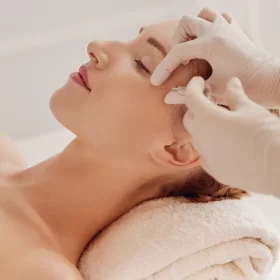
The skin around the eyes is exceptionally thin and delicate, measuring just 0.5 mm in thickness, making it age the fastest. It directly adjoins the mimic muscles and is almost devoid of sebaceous glands, lacking its natural protective layer. As a result, it is more susceptible to loss of firmness, dryness, as well as the formation of wrinkles, dark circles, and puffiness. Modern rejuvenating treatments help to moisturize, firm, and smooth the skin, reducing signs of fatigue and improving its elasticity and tension. This results in a fresh, radiant, and visibly rejuvenated look, with the skin regaining a healthy, rested appearance.
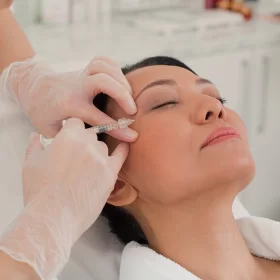
As we age, cellular metabolism slows down, and fibroblasts responsible for the production of collagen and elastin become less efficient. The skin loses its elasticity, density, and ability to retain moisture, leading to dryness, sagging, and the formation of wrinkles. The delicate skin around the eyes is particularly prone to expression wrinkles, such as crow's feet, which become more pronounced over time. Modern anti-aging therapies smooth out wrinkles, restore firmness and deep hydration, improve skin structure, and give a younger, more refreshed appearance to the eyes. Regular skincare helps slow down the aging process and reduce the visibility of wrinkles.
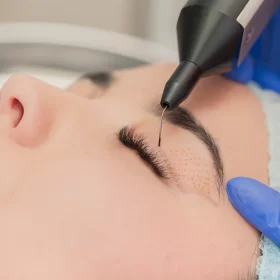
Drooping eyelids make the face look tired, sad, and less expressive, while drooping eye corners add age and alter the natural proportions of the face. These are natural effects of aging, resulting from the loss of skin elasticity, weakened eye muscles, and reduced production of collagen and elastin. This process leads to sagging skin and restricted field of vision, further deepening the impression of a heavy, dull gaze. Modern lifting and firming methods help lift the eyelids, correct drooping eye corners, and improve skin tension, restoring a youthful freshness, openness, and greater expressiveness to the gaze.
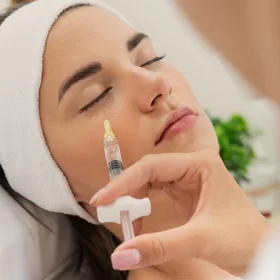
Dark circles under the eyes and fine lines are the result of a loss of subcutaneous fat tissue, which causes visible hollows under the lower eyelid. The play of light on these areas enhances the impression of tiredness and aging the face, making the gaze lose its freshness. Shadows can also be the result of weakened microcirculation, reduced skin oxygenation, genetic factors, and lifestyle choices. Effective brightening and regenerating therapies help even out the skin's texture, improve hydration, and stimulate circulation, reducing signs of fatigue and restoring firmness and a radiant look to the skin. The result is smoothed, luminous, and rested skin around the eyes, which gives the face a fresh and youthful glow.
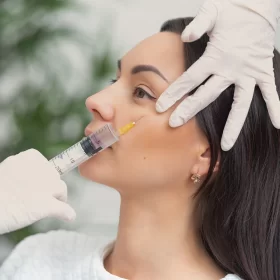
Under-eye bags negatively affect the appearance of the entire face, giving it a tired and aged look. They form due to water retention, weakened microcirculation, loss of skin firmness, and sagging tissues around the eyes. Properly selected treatments help effectively reduce puffiness, improve skin elasticity, and restore its firmness. Among the methods for reducing under-eye bags, we recommend revitalizing the skin through mesotherapy and injections of nourishing preparations, as well as high-tech and laser treatments that stimulate circulation, reduce puffiness, and smooth the eye area. The result is a more rested, fresh look and a younger, radiant facial appearance.
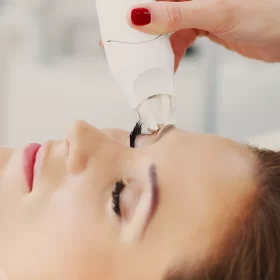
Tear trough is an unaesthetic hollow between the inner corner of the eye and the cheek, which makes the face look tired, grayish, and older than it actually is. The volume loss in this area can be a result of aging, loss of skin elasticity, and reduction of fat tissue, which further deepens the dark circles under the eyes. Modern filling and regenerating treatments allow to reduce the hollow, smooth the skin texture, and lighten the dark circles, restoring a rested, younger, and radiant look to the face. The effect is a subtle rejuvenation, improvement of contours, and freshness of the gaze.