Foot reflexology - what it involves and who it helps after long days on your feet
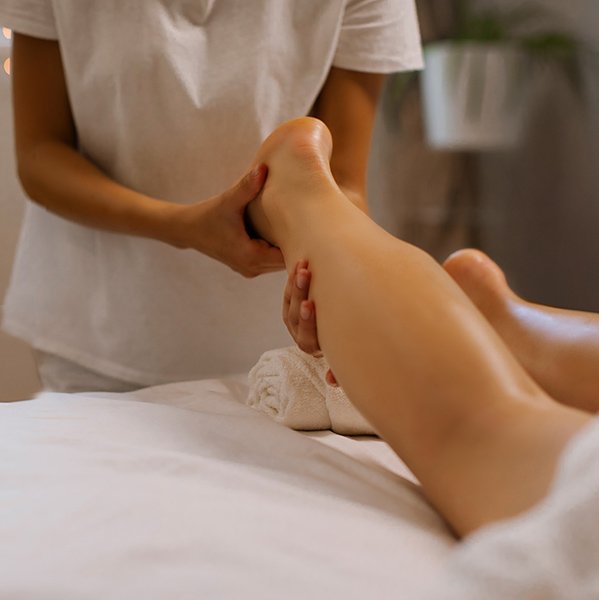
Foot reflexology - who it is for and why:
- What it involves - it is applying pressure to specific zones on the soles of the feet, originating from Far Eastern tradition and acting primarily to relax.
- Real effect - relief for tired and swollen legs, better leg circulation, muscle relaxation and calming, rather than treating diseases.
- Who it is for - especially for people who work standing up and return home with heavy, aching legs.
- Safety - the treatment is not performed in case of acute infections, fresh foot injuries, open wounds, fungal infections, and thrombosis.
Table of contents
- What does foot reflexology involve?
- How do reflex zones on the feet work?
- Relief for tired and swollen legs
- Which ailments does point stimulation relieve?
- How does a professional treatment proceed?
- How often to use reflexology?
- Are there any contraindications to the procedure?
- Frequently asked questions about foot reflexology
What does foot reflexology involve?
Foot reflexology is a technique of applying pressure to selected points on the soles of the feet, developed over centuries in the Far Eastern tradition. In this approach, zones on the foot are meant to correspond to different parts of the body, and gentle pressure is intended to help the body relax. Today, the treatment is considered primarily as a form of deep relaxation.
The therapist works mainly with thumbs and fingertips, adjusting the pressure to the individual's sensitivity. It is not a medical method or a substitute for medical care - it is a care and relaxation treatment that improves well-being.
How do reflex zones on the feet work?
In traditional terms specific areas on the foot correspond to organs and systems, and applying pressure to them is meant to affect the entire organism. Proponents of the method speak of a map of reflex zones, however, such a mechanism has not been scientifically confirmed - it is a framework of tradition, not proven physiology.
With greater certainty, it can be said that touch itself, warmth, and gentle pressure have a soothing effect on the nervous system and help to calm down. Therefore, the most credible benefit of the treatment is relaxation and stress reduction, rather than an effect on internal organs.
Relief for tired and swollen legs
Long hours in one position - standing or at a desk - strain the legs. Blood and lymph circulate worse then, so in the evening feet and calves are often heavy and swollen. This is where reflexology works best, as foot massage stimulates circulation and helps drain accumulated fluids.
After a long day on your feet, the treatment can bring:
- A feeling of lightness - massaging the feet relieves tired, aching legs.
- Better circulation in the legs - pressure stimulates blood flow in the lower limbs.
- Reduced swelling - supporting lymphatic drainage reduces swelling around the ankles.
- Muscle relaxation - tense calves and soles become more flexible.
- A moment of rest - a quarter of an hour in peace and quiet is regenerating in itself.
Which ailments does point stimulation relieve?
The treatment does not cure diseases and does not replace a visit to a doctor. Traditionally, reflexology has been associated with relief from a wide variety of ailments, but reliably confirmed effects primarily concern reducing tension and improving well-being.
People reach for it especially to relieve stress and rest better. After a session, a pleasant sense of calm and more peaceful sleep often appear. These are benefits in the area of relaxation and regeneration - in the case of specific, persistent pain, consult a specialist first.
How does a professional treatment proceed?
The session begins with a short conversation about well-being and the condition of the feet - this is the moment to indicate any potential contraindications. With us, such a treatment is performed by therapists who adjust the strength and pace of pressure to the individual's sensitivity, ensuring comfort and a sense of security. Warmth and a peaceful environment also promote relaxation.
A typical visit lasts about 45-60 minutes and takes place in several stages:
- Conversation and preparation - assessment of the condition of the feet, as well as warming them up and relaxing them before the massage.
- The actual massage - calm, rhythmic pressure on subsequent parts of the sole using thumbs and fingertips.
- Relaxation techniques - gentle, soothing movements tailored to the body's reaction.
- Completion and recommendations - a moment of rest and tips for taking care of the feet at home.
How often to use reflexology?
The rhythm of appointments is selected individually, because everyone responds to massage at their own pace. To start, a series of weekly sessions is often proposed, which help relax the body and build a habit of regular rest. Once the tension and the feeling of heavy legs ease, one or two visits a month are usually enough.
When working standing up or during periods of greater stress, you can return to the treatment more frequently. Regularity is most important - it consolidates the feeling of lightness and peace, instead of giving a one-off effect.
Are there any contraindications to the procedure?
Reflexology is a gentle treatment, but in a few situations, you need to forgo it or wait. It is mainly about the condition of the skin and foot health - massage should not irritate lesions or spread infections.
The treatment is not performed, among other things, in cases of:
- Acute infections - fever and inflammation are a signal to postpone the visit.
- Fresh foot injuries - sprains, bruises, or fractures require healing first.
- Open wounds - damaged skin must not be pressed or massaged.
- Athlete's foot - skin lesions can easily spread to healthy areas then.
- Thrombosis - in the case of thrombotic diseases, the treatment may only be performed with a doctor's approval.
In case of doubt - especially during pregnancy, with diabetes, or chronic diseases - it is best to ask a doctor beforehand whether a foot massage will be safe.
Give your tired legs a moment of rest - book reflexology after a long week on your feet and treat it as a regular way to unwind, and lightness and peace will stay with you longer!
Frequently asked questions about foot reflexology
Does foot reflexology cure diseases?
Reflexology does not cure diseases and does not replace a doctor's diagnosis or therapy – it acts as a relaxation treatment that reduces tension and relieves tired legs. In the event of a health problem, treat it as a complement to medical care, not its substitute.
For whom is foot reflexology particularly recommended?
The greatest relief is usually felt by people who spend a lot of time on their feet – salespeople, hairdressers, waiters, or healthcare workers. It also helps those who live in constant tension and want to calmly relieve stress.
After how many treatments are the results visible?
Relaxation and a feeling of lightness in the legs usually appear right away, after the very first visit. A more lasting improvement requires a series of several sessions, as every body reacts at its own pace.
How does reflexology differ from a regular foot massage?
Classic foot massage relaxes them entirely and focuses on rest. Reflexology is more targeted – in the traditional view, it applies pressure to specific zones according to a map assigning body parts to them. However, both treatments share the same, best-confirmed effect: deep relaxation.
