
Professional care and relaxation in one
Face and body massages are comprehensive manual therapies that support the body's natural regeneration processes, improve skin condition, and restore proper myofascial balance. Appropriately selected techniques affect not only the superficial layers of the skin, but also the muscles, fascia, lymphatic system, and nervous system, bringing both aesthetic and health benefits.
Facial massages stimulate microcirculation and lymphatic drainage, improve tissue nourishment and oxygenation, reduce tension in facial expression muscles, and support the natural processes of collagen and elastin reconstruction. As a result, the skin becomes firmer, more elastic, and radiant, the facial contour improves, swelling decreases, and facial features regain a fresh, rested appearance. Depending on the technique used, the massage can have a lifting, anti-aging, therapeutic, or deeply relaxing effect.
Body massages are an effective method for reducing muscle tension, strain, and pain resulting from a sedentary lifestyle, intense physical activity, or chronic stress. They improve blood supply and tissue elasticity, support muscle regeneration, enhance blood and lymph circulation, and promote relaxation of the entire body. Performed regularly, they also help improve skin quality, reduce swelling, and support body sculpting processes.
Regular manual face and body therapy is an investment not only in an attractive appearance, but also in health, functional comfort, and overall well-being. Individually selected techniques allow for achieving natural, gradually building effects, improving tissue quality, reducing the effects of chronic tension, and supporting the long-term maintenance of a youthful appearance and bodily fitness.
HOW DO FACIAL AND BODY MASSAGES WORK?
Face and body massages affect the body on multiple levels. Properly selected manual techniques simultaneously influence the skin, muscles, fascia, blood and lymphatic vessels, and the nervous system. Thanks to this, the body triggers natural regenerative processes that gradually improve the appearance of tissues, their functioning, and the overall condition of the entire body.
During massage, a number of beneficial physiological processes occur:
- microcirculation is stimulated, allowing tissues to receive more oxygen and nutrients necessary for regeneration,
- lymph flow is improved, which facilitates the removal of excess fluids, reduces swelling, and supports natural tissue cleansing processes,
- overly tense muscles are relaxed and their elasticity is improved, which reduces pain and restores proper mobility,
- the tension of the fascia surrounding muscles and organs is normalized, improving tissue gliding and their proper function,
- fibroblasts responsible for the production of collagen, elastin, and extracellular matrix components are stimulated, supporting the improvement of skin firmness and elasticity,
- the parasympathetic nervous system responsible for body regeneration is activated, which reduces stress levels, lowers nervous tension, and improves the quality of rest,
- blood flow through tissues is increased, which accelerates the removal of metabolic waste products and supports repair processes,
- the mobility of soft tissues and their ability to properly bear loads is improved, affecting movement comfort and body posture.
In the case of facial massages, the impact on the mimic muscles and supporting facial tissues is also of particular importance. The reduction of chronic muscle tension, improvement of fascial mobility, and enhanced circulation mean that the face regains more harmonious proportions, the facial contour improves, swelling decreases, and the skin becomes better nourished and firmer. In turn, body massages support the regeneration of the myofascial system, improve the functioning of the entire body, and help restore balance between the body and the nervous system.
It is precisely the combination of these processes that makes regularly performed massages bring lasting aesthetic, functional, and health benefits. They do not mask the problem, but rather support the body's natural regeneration mechanisms, so that the effects appear in a physiological and harmonious way.
WHEN IS IT WORTH GETTING A FACIAL AND BODY MASSAGE?
Face and body massages provide effective support both in health prevention and the aging process, as well as in the therapy of many ailments resulting from body overload. A properly selected technique can bring aesthetic, therapeutic, or deeply relaxing benefits, which is why it is always worth tailoring the treatment to individual needs and expected results.
Face and body massages are particularly recommended when:
- chronic stress and tension cause muscle stiffness, a feeling of fatigue, and worsened well-being,
- you experience muscle, neck, shoulder, or back pain associated with sedentary work, strain, or intense physical activity,
- you notice a loss of skin firmness, worsening of facial contours, or the appearance of the first signs of aging,
- facial or body swelling, lymphatic congestion, or a feeling of heaviness occur,
- you want a natural face lift without invasive methods,
- you want to reduce tension in facial muscles responsible for deepening wrinkles,
- your skin is dull, tired, and lacking natural glow,
- you need deep relaxation, calming of the nervous system, and improvement in sleep quality,
- you are going through a period of intense work, increased mental or physical exertion,
- you care about faster body recovery after workouts or prolonged strain,
- you want to improve tissue elasticity, muscle mobility, and reduce fascial restrictions,
- you are looking for a natural method to help maintain a youthful facial appearance and good overall body condition.
Regularly performed massages bring significantly greater benefits than single treatments. Systematic manual therapy supports tissue regeneration, helps maintain proper muscle tone, improves skin condition, and beneficially affects the functioning of the entire body, combining health prevention with natural beauty care.
WHAT ARE THE EFFECTS OF FACIAL AND BODY MASSAGES?
Professionally performed face and body massages bring a number of aesthetic, functional, and health benefits. The effects depend on the technique used, the frequency of treatments, and the individual predispositions of the body. Some of the results, such as muscle relaxation or a feeling of lightness, are noticeable after the very first session, while the improvement in tissue quality and skin condition develops gradually during regular therapy.
Regular massages can contribute to:
- smoothing out fine lines and reducing the visibility of signs of aging thanks to improved skin tone and relaxation of facial muscles,
- improving the facial oval, firming the skin, and providing a natural lifting effect without surgical intervention,
- increasing skin elasticity and resilience by stimulating microcirculation and natural regenerative processes,
- improving skin tone, better tissue oxygenation, and restoring a healthy, radiant appearance to the skin,
- reducing facial and body swelling by enhancing lymphatic drainage,
- relaxing tense muscles, reducing pain discomfort, and improving tissue mobility,
- reducing the effects of chronic stress and soothing the nervous system, which promotes deep relaxation,
- improving sleep quality, body regeneration, and overall well-being,
- enhancing blood and lymph circulation, which supports tissue nourishment and the body's natural repair processes,
- accelerating recovery after physical exertion and reducing muscle fatigue,
- improving fascia and muscle flexibility, which positively affects body posture and daily functional comfort,
- supporting body contouring processes by reducing fluid retention and improving tissue metabolism.
The best and most lasting results are achieved through regularly performed treatments and properly selected manual therapy. At Ambasada Urody Clinic & Spa, we select the type of massage individually according to the skin's needs, tissue condition, and expected results, making the therapy effective, safe, and fully tailored to each client.
CONTRAINDICATIONS TO BODY MASSAGE
Body massage is generally a safe form of tissue work, provided there is proper patient qualification and that the technique, pressure, and scope of the treatment are tailored to their health condition. However, certain circumstances require completely postponing the massage, omitting a specific area, or prior consultation with a physician.
General contraindications
A full-body massage should not be performed or should be postponed in the case of:
- fever, active infection, and feeling markedly unwell;
- the acute phase of an illness, including severe inflammation;
- infectious diseases that may pose a risk to the patient or the practitioner;
- suspected or diagnosed thrombosis, thrombophlebitis, or embolism;
- decompensated cardiovascular diseases, unstable blood pressure, severe heart failure, or serious arrhythmias;
- active bleeding, significant coagulation disorders, or a high tendency to form hematomas;
- recent injuries, fractures, dislocations, sprains, and extensive hematomas;
- severe pain of sudden onset or complaints of undiagnosed origin;
- recent surgery or invasive medical procedure, unless approved by a physician;
- being under the influence of alcohol, intoxicants, or substances impairing consciousness and the proper assessment of stimuli;
- significant weakness, fainting, dizziness, or other symptoms requiring diagnostic evaluation;
- active cancer without prior clearance from the attending physician and without appropriate preparation of the therapist to work with oncology patients.
In the presence of the aforementioned issues, the massage should be postponed until the acute condition resolves or medical clearance is obtained. Massage cannot substitute diagnostic evaluation or causal treatment.
Local contraindications
Certain conditions do not exclude massaging other parts of the body, but require completely omitting the affected area. This applies primarily to:
- unhealed wounds, abrasions, ulcers, and cracked skin;
- active bacterial, viral, or fungal skin infections;
- purulent or weeping lesions, and other skin changes of undetermined cause;
- fresh sunburns, thermal or chemical burns;
- severe irritation, acute allergic reactions, and flare-ups of dermatological conditions;
- fresh scars, sutures, and unhealed areas after surgical procedures;
- areas after recent aesthetic medicine treatments, injections, laser therapy, or intensive cosmetology procedures – until the recommended recovery period is completed;
- recent injuries, post-traumatic swelling, extensive bruises, and hematomas;
- acute inflammation of muscles, joints, tendons, and bursae;
- painful, protruding, or inflamed varicose veins;
- enlarged and painful lymph nodes;
- suspicious lumps, thickenings, and lesions requiring prior diagnosis;
- areas affected by sensory disturbances, if the patient is unable to reliably assess temperature or pressure.
The specialist decides whether a massage can be performed while omitting the affected area after taking a medical history. If the nature of the lesion raises doubts, prior medical consultation is the safer option.
Conditions requiring consultation or massage modification
Certain diseases and special situations are not always absolute contraindications. However, they may require medical clearance, the use of gentler techniques, a change of position, shortening the treatment, or omitting specific areas from the massage.
Particular caution is required in the case of:
- pregnancy, especially high-risk pregnancy, the first trimester, abnormal bleeding, abdominal pain, gestational hypertension, or other complications;
- the postpartum period and condition following a Cesarean section;
- cancer during or after treatment;
- osteoporosis and an increased risk of fractures;
- hernia, particularly in the area of the planned massage;
- neurological diseases, neuropathies, and sensory disturbances;
- diabetes, especially with coexisting neuropathy, poorly healing wounds, or vascular disorders;
- epilepsy and other chronic diseases requiring ongoing treatment;
- uncompensated thyroid diseases or other endocrine disorders;
- advanced-stage kidney and liver diseases;
- venous insufficiency, limb edema, or edema of undetermined cause;
- lymphedema – a standard massage is not equivalent to specialized lymphatic drainage in this case;
- arterial hypertension, ischemic heart disease, and other cardiovascular conditions;
- taking anticoagulants, antiplatelet agents, steroids, or other medications that increase tissue fragility and susceptibility to bruising;
- chronic inflammatory and autoimmune diseases, especially during flare-ups;
- recent injections, vaccinations, surgical, dental, orthopedic, or aesthetic medicine procedures;
- advanced age, reduced skin resistance to mechanical trauma, tendency to bruise, and general weakness;
- allergy or hypersensitivity to oils, lotions, fragrances, or other preparations used during the treatment.
In such cases, massage may be possible, but its scope should be based on an individual risk assessment. Information about diseases and medications taken allows the specialist to select a safe position, pace, and treatment intensity.
Symptoms requiring diagnostic evaluation prior to massage
Massage should not be treated as a way to mask alarming symptoms. Before scheduling a treatment, it is advisable to consult a physician if any of the following occur:
- sudden, severe, or rapidly worsening pain;
- pain occurring without an identifiable cause or waking the patient from sleep;
- numbness, tingling, sensory disturbances, or muscle weakness;
- unexplained swelling in a single limb, accompanied by redness, warmth, or tenderness;
- shortness of breath, chest pain, palpitations, or fainting;
- unexplained weight loss, prolonged weakness, or recurrent fever;
- a recent injury with suspected fracture or tissue damage;
- new lumps, thickenings, or rapidly changing skin lesions.
The occurrence of such symptoms requires determining their cause. Starting a massage before completing the diagnostic process could delay appropriate treatment or exacerbate symptoms.
Safe qualification for massage at Ambasada Urody
Before each massage, the specialist conducts an interview regarding general health, medications taken, past injuries and surgeries, current symptoms, and reactions to previous treatments. Based on this, they select the type of massage, pressure intensity, duration, and the areas to be treated.
The patient should inform the specialist about:
- all chronic diseases and current ailments;
- pregnancy or the possibility of pregnancy;
- medications taken, especially those affecting blood clotting;
- past surgeries, injuries, and medical procedures;
- allergies and skin hypersensitivity;
- implants, prostheses, pacemakers, and other medical devices;
- the presence of varicose veins, swelling, sensory disturbances, or a tendency to bruise.
The final qualification always takes into account the type of planned massage. Contraindications may vary between a gentle relaxation massage, intensive deep tissue massage, sports massage, anti-cellulite massage, or lymphatic drainage. If the safety of the procedure raises any doubts, the specialist may refuse to perform it and recommend a prior consultation with a physician or physiotherapist.
CONTRAINDICATIONS TO FACIAL MASSAGE
A facial massage should be preceded by an assessment of the skin's condition, a health history interview, and verification that no aesthetic medicine, dental, or surgical procedures have been recently performed. A contraindication may apply to the entire face, only the affected area, or a specific massage technique.
Key Contraindications
Facial massage should not be performed in the case of:
- fever, active infection, and general malaise;
- acute bacterial, viral, or fungal skin infections;
- active herpes simplex and lesions in the healing phase;
- purulent and severely inflamed acne lesions;
- active skin inflammation accompanied by pain, swelling, burning, or intense redness;
- flare-ups of rosacea, especially with persistent erythema, a feeling of heat, burning, and the presence of inflammatory lesions;
- flare-ups of atopic dermatitis, psoriasis, seborrheic dermatitis, or other dermatoses in the treatment area;
- fresh wounds, abrasions, scratches, burns, and broken epidermal continuity;
- severe skin irritation or allergic reaction;
- fresh sunburn;
- skin lesions of undetermined cause;
- pronounced hypersensitivity, skin thinning, or increased susceptibility to skin damage;
- fresh trauma to the face, nose, mandible, or cranial bones;
- active inflammation of the sinuses, ear, eye, or oral cavity;
- conjunctivitis, styes, and other infections in the eye area;
- abscess, acute toothache, gingivitis, or active dental infection;
- severe facial pain of undiagnosed origin;
- enlarged, painful lymph nodes;
- thrombosis, phlebitis, or other acute vascular disorders in the treatment area;
- the influence of alcohol or substances that impair awareness and the proper assessment of stimuli.
In the case of infection, inflammation, or epidermal damage, massage should be postponed until symptoms have completely subsided and the skin has properly healed. This helps reduce the risk of irritation, worsening of lesions, and spreading the infection to other areas.
Aesthetic Medicine and Cosmetological Procedures
Facial massage should not be performed immediately after procedures that require stabilization of the results or tissue regeneration. This applies in particular to:
- botulinum toxin administration;
- the use of hyaluronic acid fillers or other volumetric agents;
- administration of tissue biostimulators;
- needle and microneedle mesotherapy;
- platelet-rich plasma (PRP) and platelet-rich fibrin (PRF);
- lifting thread treatments;
- surgical facelifts and other operations within the face and neck;
- ablative and non-ablative laser therapy;
- microneedle radiofrequency;
- procedures utilizing focused ultrasound or intensive thermal action;
- deep and medium-depth chemical peels;
- intensive mechanical exfoliation;
- other procedures causing swelling, inflammation, punctures, or controlled skin damage.
The safe timing for a massage depends on the type of procedure, the product used, the treatment area, the healing process, and the practitioner's recommendations. Massage can only begin after the required recovery period has ended and approval from the attending physician or specialist has been obtained. A single, universal time interval should not be assumed for all procedures.
Surgeries, Injuries, and Dental Treatments
Recent interventions within the face, oral cavity, head, and neck require particular caution. Massage should be postponed in the case of:
- fresh postoperative wounds, sutures, and unhealed scars;
- ongoing swelling, pain, or inflammation following a surgical procedure;
- recent tooth extraction, dental implant placement, or other invasive dental procedure;
- maxillofacial surgeries;
- rhinoplasty, blepharoplasty, otoplasty, or chin surgery;
- mandibular trauma or suspected temporomandibular joint disorders;
- convalescence following a maxillofacial bone fracture.
Returning to massage should occur only after proper tissue healing and the conclusion of the period indicated by the doctor. In case of doubt, approval from the attending specialist is required.
Conditions Requiring Consultation or Massage Modification
Certain conditions do not always rule out facial massage, but they require individual qualification, changes in intensity, or omitting specific areas. These include:
- vascular skin, telangiectasia, and a tendency toward persistent erythema;
- stable rosacea without an active flare-up;
- very thin, reactive, or bruise-prone skin;
- numerous moles, warts, and other raised skin lesions;
- facial edema of unknown origin;
- thyroid diseases – especially when intensive work on the anterior part of the neck is planned;
- hypertension and other cardiovascular diseases;
- coagulation disorders and the use of anticoagulants;
- neuropathies, sensory disturbances, and facial nerve palsy;
- trigeminal neuralgia, especially during a flare-up;
- migraine or severe headache occurring on the day of the procedure;
- osteoporosis and an increased risk of injury;
- autoimmune diseases and chronic inflammatory diseases;
- active cancer or the period of oncological treatment;
- implants, plates, screws, and other medical devices within the craniofacial area;
- dental implants, orthodontic appliances, and severe temporomandibular joint disorders;
- pregnancy, if the massage is part of an extensive ritual utilizing essential oils, intensive techniques, or additional equipment;
- allergies to ingredients of oils, creams, masks, and products used during the treatment.
In such cases, a gentle massage may be possible, but its type and scope should be tailored to the Patient's condition. Intensive modeling, buccal, myofascial, and lifting techniques may carry more restrictions than a classic relaxation massage.
When Should You Consult a Doctor First?
Massage should not be used to mask ailments that require diagnosis. Medical consultation is advised if any of the following occur:
- sudden or worsening facial, jaw, or head pain;
- unilateral facial swelling of unknown cause;
- sudden facial asymmetry, drooping corner of the mouth, or drooping eyelid;
- sensory disturbances, numbness, or weakness of the facial muscles;
- vision, speech, or balance disorders, or severe dizziness;
- a palpable lump, thickening, or enlarged lymph nodes;
- a skin lesion that is rapidly growing, bleeding, changing color, or not healing;
- persistent pain following an injury, surgery, or dental procedure.
Sudden facial asymmetry, speech difficulties, limb weakness, or a sudden severe headache may be symptoms of a condition that requires urgent medical attention. In such situations, facial massage must not be performed.
Safe Qualification for Facial Massage
Before beginning the treatment, the specialist evaluates the skin's condition and takes a medical history regarding health, current medications, and recently performed procedures. The Patient should primarily disclose information regarding:
- skin diseases, allergies, and a tendency to develop cold sores;
- aesthetic medicine and cosmetological procedures;
- surgeries of the face, head, and neck;
- dental and orthodontic treatment;
- chronic illnesses and medications taken;
- implants and other medical components located within the treatment area;
- pain, swelling, sensory disturbances, and other concerning symptoms.
The final qualification depends on the type of massage planned. Different restrictions apply to a gentle relaxation massage compared to an intensive lifting, myofascial, Kobido, buccal, or facial lymphatic drainage massage. In case of doubt, the specialist may modify the treatment, request medical clearance, or refuse to perform the massage until the health status is clarified.
POST-MASSAGE AFTERCARE RECOMMENDATIONS
After a massage, it is advisable to allow your body to gradually return to everyday activities. The reaction to the treatment is individual and depends, among other things, on the type of techniques used, the intensity of the massage, the baseline tissue tension, and the Patient's general state of health.
Immediately after the treatment, it is recommended to:
- get off the table slowly and calmly, especially if you are prone to dizziness or low blood pressure;
- rest for a few minutes and avoid sudden changes in body position;
- drink water according to your thirst and the body's individual needs;
- plan a calmer daily pace to prolong the relaxing effect;
- avoid intense physical exertion immediately after a deep massage, especially if the tissues are relaxed or tender;
- avoid alcohol immediately after the treatment, as it can promote dehydration, worsen well-being, and intensify dizziness;
- exercise caution while driving if drowsiness, weakness, or dizziness occur;
- avoid very hot baths, saunas, and intense body heating if you experience weakness, skin redness, or a tendency toward drops in blood pressure after the massage;
- protect your skin from intense sun exposure if scented products, essential oils, or ingredients that increase skin sensitivity were used during the ritual;
- leave the skincare product on the skin for the time recommended by the specialist, provided it does not cause burning, itching, or irritation;
- avoid applying highly irritating cosmetics to the massaged areas immediately after the treatment;
- observe your body's reaction and share your feedback with the specialist during the next visit.
After a massage, it is worth taking care of proper hydration, rest, and a calmer daily pace. This helps maintain comfort and enjoy the feeling of relaxation for longer.
What might you feel after a massage?
Immediately after a massage, you may experience pleasant relaxation, a sense of warmth, lightness, calm, or drowsiness. Some people, on the other hand, feel a surge of energy and improved ease of movement.
After more intensive work with the tissues, the following may temporarily occur:
- mild tenderness in the massaged areas;
- a feeling of fatigue or drowsiness;
- slight redness of the skin;
- a temporary sensation of increased tissue sensitivity;
- mild sensations similar to those occurring after physical exercise.
These symptoms should be mild in intensity and gradually subside. Severe pain and extensive bruising are not expected indicators of massage effectiveness.
How to maintain the effects of a massage?
The longevity of the experienced relaxation depends not only on the treatment itself, but also on daily habits. After a massage, it is worth:
- ensuring an adequate amount of sleep and restful downtime;
- engaging in gentle activity, such as a walk, if you feel up to it;
- avoiding staying in one position for prolonged periods;
- performing movement, breathing, or relaxation exercises recommended by a specialist;
- paying attention to workplace ergonomics and how you place physical strain on your body;
- planning the next visit according to individual needs, rather than following a one-size-fits-all schedule.
Massage can support recovery and temporarily reduce felt tension, but it does not replace movement, sleep, proper ergonomics, or medical treatment prescribed by a doctor or physiotherapist.
When to contact a specialist?
You should contact the practitioner if an unexpected or persistent reaction occurs after the massage. A medical consultation is required particularly in the case of:
- severe or worsening pain;
- significant swelling or extensive bruising;
- numbness, sensory disturbances, or muscle weakness;
- a rash, intense itching, burning, or swelling indicative of an allergic reaction;
- severe dizziness, fainting, or prolonged weakness;
- chest pain, shortness of breath, or a sudden deterioration in well-being;
- unilateral swelling, redness, pain, or distinct warmth in a limb.
Mild and short-lived tenderness can be a natural reaction following a more intense massage. However, severe, atypical, or worsening symptoms should not be ignored and require proper assessment.
Well-being after a massage
After a massage, pleasant relaxation, lightness, and tranquility are most commonly experienced. Following a more intensive treatment, short-lived, mild tenderness in the massaged areas may appear, which usually resolves on its own.
In the event of an unusual or persistent reaction, it is advisable to contact the massage specialist. This will allow for the assessment of symptoms and the provision of personalized guidance.
WHY IS IT WORTH TO TAKE ADVANTAGE OF FACIAL AND BODY MASSAGES AT THE BEAUTY EMBASSY?
Massage brings the best results when performed by an experienced therapist who perfectly understands anatomy, tissue biomechanics, and is able to select the right technique for individual needs. At Ambasada Urody Clinic & Spa, for many years we have specialized in professional facial and body manual therapies, combining the highest standards of work with modern knowledge in the fields of cosmetology, physiotherapy, and aesthetic medicine.
Our greatest asset is a team of highly qualified specialists who constantly develop their skills by participating in training courses conducted by recognized experts from Poland and abroad. We perform both classic relaxation massages and advanced facial manual therapies, as well as lifting and myofascial techniques that require an excellent knowledge of anatomy and precision in working with tissues.
Each treatment is preceded by an analysis of needs and expectations, allowing us to select the massage technique, intensity of therapy, and cosmetics in a way that ensures the best possible results. We use only high-quality professional care products that support skin regeneration and enhance the effects of manual therapy.
At Ambasada Urody Clinic & Spa, massage is more than just a moment of relaxation. It is a consciously planned therapy that helps improve skin condition, reduce muscle tension, restore proper tissue function, and support the body's natural regenerative processes. An intimate atmosphere, an individual approach, and the many years of experience of our team make every visit an investment in health, beauty, and well-being.
We invite you to discover the world of professional face and body massages, where knowledge, experience, and the highest standards of therapy translate into natural, harmonious, and long-lasting results.
FACIAL AND BODY MASSAGES
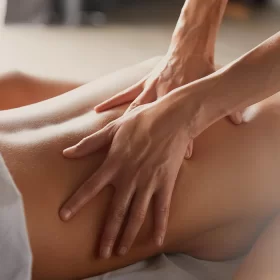
Oriental massages restore the harmonious flow of energy in the body, providing deep relaxation, releasing the mind from stress and negative emotions, and supporting the body in regaining lost internal balance. These massages, performed by experienced specialists, allow for complete relaxation and rejuvenation. Oriental massages are performed using natural, warm oils with exotic scents that nourish the skin and enhance the relaxation effect. Additionally, they help alleviate muscle tension, improving overall physical and mental well-being.
 Main effects: provide a feeling of deep relaxation, getting rid of persistent tensions, returning to harmony in the body, and peace of mind.
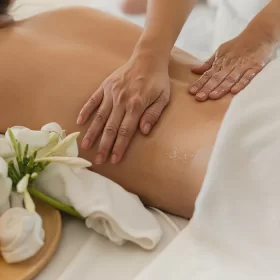
Wellness massages involve holistic care of the whole body by impacting all of its senses. The appropriate pace of wellness massage, aromatic oils, relaxing music, and subdued, harmonious warm light create a unique treatment atmosphere. These massages help reduce stress, relax the body, and improve overall well-being. Regular wellness massages are an ideal way to relax and rejuvenate, supporting both physical and mental health.
Main effects: reduction of stress, nervousness, insomnia, and fatigue, moisturizing and nourishing the skin, improvement of well-being.
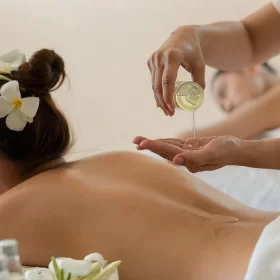
A full body relaxation massage is one of the most effective ways to unwind and rejuvenate the body. Carried out with gentle, rhythmic movements using warm oils, it provides relief to tense muscles and allows one to disconnect from the stresses of everyday life. The therapist works on the entire body - from the feet to the neck - inducing a state of deep relaxation. The treatment improves circulation, supports detoxification, and activates the body's natural regenerative mechanisms. The feeling of loosening up appears after just a few minutes and lasts long after leaving the spa. It is an ideal choice for individuals feeling tired, overworked, and stressed out - the massage works holistically, restoring peace to the body and mind.
Main effects: deep relaxation, muscle tension relief, improved circulation, calming of the nervous system, restoration of inner balance.
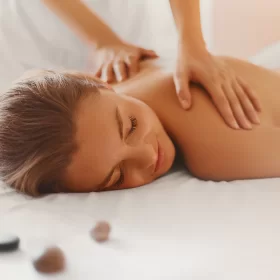
Massage is one of the most effective methods for improving health, rejuvenating the body, and reducing stress. Thanks to various techniques, massages help to relax tense muscles, improve blood circulation, and increase skin elasticity. They effectively support body shaping, reduce cellulite and swelling, and accelerate the elimination of toxins from the body. Relaxing massages relax the body and mind, restoring inner harmony and providing deep relaxation. Each treatment in our offer is tailored to individual needs to ensure maximum benefits, improve skin condition, and overall well-being.
Main effects: improving blood and lymph circulation, accelerating metabolism, stimulating toxin elimination, breaking down fat tissue.
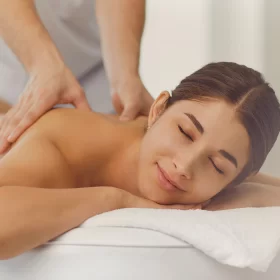
Therapeutic massages originate from the classical form of massage but are focused on treating specific ailments and disorders in the body. They involve precisely selected manual treatments that effectively reduce muscle tension, provide pain relief, promote relaxation, and accelerate muscle recovery. Additionally, they improve muscle flexibility, enhance performance, and help prevent injuries. Regular use of therapeutic massages supports overall body condition, improves blood and lymph circulation, and contributes to stress reduction. It is an excellent form of therapy for individuals dealing with pain, tension, or mobility limitations.
Main effects: muscle regeneration and reduction of muscle tension, pain-relieving and relaxing action, injury prevention.
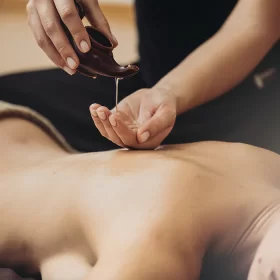
Highly relaxing massages for body and soul. The use of natural shea butter, beeswax, nourishing avocado and grape seed oils ensure long-term hydration and nourishment of even the deepest layers of the skin.
Main effects: act as anti-stress and antidepressant, shea butter leaves the skin silkily smooth and beautifully scented.
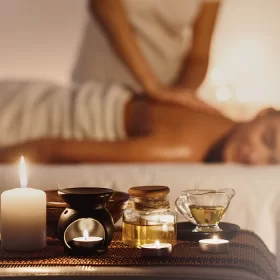
Beauty care using natural aromatherapy oils combined with proprietary deep tissue massage techniques is a comprehensive way to improve skin condition and overall health. Essential oils used in massages stimulate the senses, uplift mood, calm or energize, alleviate stress, and aid in falling asleep. Additionally, they help combat headaches and rheumatic pain, boost immunity, and accelerate skin regeneration. Thanks to the deep tissue massage, which improves circulation, eliminates toxins, and relaxes muscles, the treatment ensures complete harmony of body and mind.
Main effects: refreshing and rejuvenating the skin, draining and detoxifying, relaxing, anti-stress, mood-enhancing.
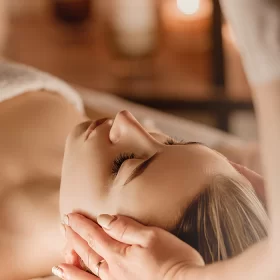
Japanese facial massages are an effective and natural method that provides visible and long-lasting lifting effects. In our offer, you can find Japanese facial massage techniques such as Kobido, Hadado, and Comolifting, which are excellent alternatives to traditional cosmetic treatments. Japanese facial massages improve the appearance of the skin by reducing wrinkles, muscle tension, and signs of aging, while restoring its firmness and radiant glow. In addition to aesthetic effects, these therapies also have a beneficial impact on overall well-being, helping to reduce stress and tension.
Main effects: long-lasting lifting effects, skin firming and regeneration, improved well-being and stress reduction.
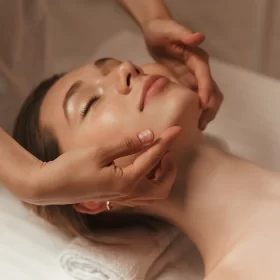
Therapeutic facial massages at Ambasada Urody combine aesthetic and therapeutic effects. They not only improve the condition of the skin, firming and adding radiance to it, but above all, they provide relief from muscle tension, headaches, and jaw pain. They enhance circulation, support lymphatic drainage and tissue regeneration, making the skin look healthier and the face regain its natural calmness and balance. When used regularly, they can also help to correct minor asymmetries caused by muscle tension. This is a treatment that works deeply - reducing tension, alleviating pain, and restoring the natural harmony of the face and the entire body.
Main effects: muscle relaxation, pain reduction, improved circulation, skin firming, asymmetry correction, and deep relaxation.
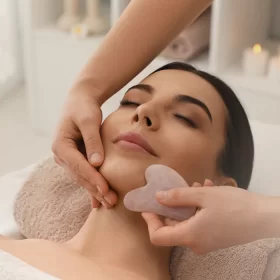
Face massage has a preventive effect. Its main purpose is to keep the skin and muscles supple and to prevent wrinkles.
Main effects: improved tissue oxygenation, increased arterial blood flow to massaged areas, lightly exfoliates the outer layer of the epidermis.
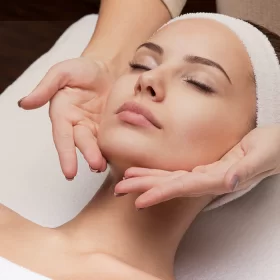
Facial lifting massages are an effective method that tightens and smoothes the skin, improving facial contour and reducing signs of aging. Through these massages, skin sagging is reduced, and the delicate skin around the eyes becomes more elastic. Lifting massage lifts the skin in the brow area and emphasizes the shape of the lips, giving the face a younger look. Regular massages improve microcirculation, supporting skin regeneration and restoring its natural glow. Lifting massages are also an excellent method for reducing wrinkles and muscle tension, improving the overall appearance of the face. It is an ideal solution for those looking for a non-invasive way to maintain a youthful look.
Main effects: smoothing and regeneration of the skin, improving facial contour, reducing skin sagging around the eyes, lifting the eyebrow arches.
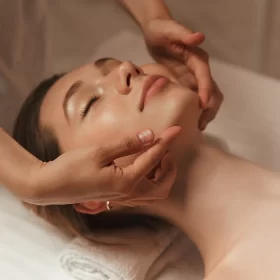
Facemodeling is a highly effective method of rejuvenating and shaping the face, which is an ideal proposition for those seeking natural, long-lasting, and timeless beauty. It is a manual therapy that has a significant impact on the aesthetics of the face, improving its health and skin quality. Facemodeling supports rejuvenation and regeneration of deep tissues, correction of facial shape and symmetry, as well as reduction of grooves, wrinkles, and loose skin. Additionally, it improves the vitality, smoothness, and tone of the skin, restoring its natural radiance and firmness. It is an excellent alternative for those looking for a non-invasive way to restore a younger appearance and healthy skin.
Main effects: rejuvenation and regeneration of deep tissues, correction of facial shape and symmetry, reduction of furrows, wrinkles, and sagging skin, improvement of skin vitality, smoothness, and complexion.
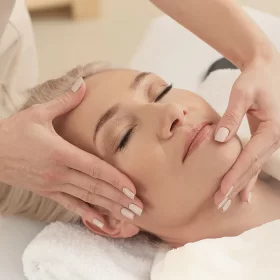
Zoga Face Integration is a modern method of manual facial modeling characterized by intense stimulation and a spectacular rejuvenating, lifting, and therapeutic effect. This aesthetic technique uses precise muscle manipulations that act on tissues to normalize the muscle-fascial tension in the décolleté, scalp, and mimic muscles area. Zoga Face Integration effectively reduces wrinkles, improves facial contour, and restores a younger appearance. Additionally, it enhances microcirculation and skin tension, contributing to an overall improvement in facial skin quality. It is the perfect therapy for those seeking a non-invasive way to rejuvenate and firm the skin.
Main effects: normalization of muscle-fascial tension, contouring of the facial oval, smoothing of skin texture, achieving effective lymphatic drainage.
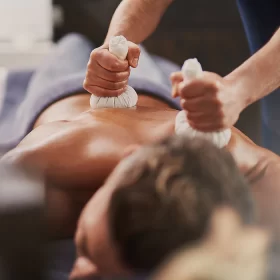
Ayurveda (Ayurveda) is the Vedic art of natural healing. Its essence is full recovery, not temporary relief. It is a philosophy of the art of life, the essence of which is the conscious striving of man for full balance on the level of body, mind and spirit.
Main effects: improvement of physical and mental fitness, functioning of the digestive and excretory systems.
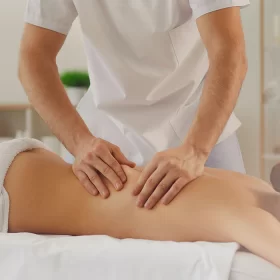
Manual therapy is an effective massage method that restores balance in muscles, joints, skin, subcutaneous tissue, fascia, and the nervous system. Manual massage supports muscle regeneration, reduces tension, and promotes relaxation, restoring proper body function. This technique can effectively treat pain, improve joint mobility, alleviate musculoskeletal issues, and prevent chronic muscle tension. Manual massages are an ideal solution for treating muscle and joint pain, supporting an improvement in quality of life.
Main effects: muscle regeneration, reduction of muscle tension, relaxation.
CAN FACIAL MASSAGE REALLY IMPROVE FACIAL CONTOURS?
Yes. Professionally performed facial massages can noticeably improve facial contour, especially when its deterioration results from excessive muscle tension, lymphatic swelling, limited fascia mobility, and natural aging processes. With age, there is a weakening of the skin's supporting structures, a decrease in collagen and elastin production, and a gradual loss of tissue tone. Additionally, chronic tension of facial and neck muscles can disrupt facial proportions and contribute to sagging cheeks or the deepening of furrows.
Modern lifting, myofascial, and drainage massages target the root cause of these changes. They improve microcirculation, enhance lymph flow, relax excessively tense muscles, and restore proper tissue mobility. As a result, the face looks more rested, swelling is reduced, and the contour of the jawline and cheeks becomes more defined.
The first effects are often visible after just one treatment; however, the most lasting results are achieved through regular therapy. It is worth remembering that massage does not change facial anatomy, nor does it replace aesthetic medicine treatments in cases of advanced tissue laxity. It does, however, represent an effective, natural method for improving skin quality and maintaining a younger appearance without surgical intervention.
AFTER HOW MANY TREATMENTS CAN YOU SEE THE EFFECTS OF MASSAGE?
This is one of the most frequently asked questions. The answer depends on the type of massage performed, tissue condition, age, lifestyle, and the goal of the therapy. Even after the first treatment, many people feel noticeable muscle relaxation, reduced tension, improved well-being, and a feeling of lightness. In the case of facial massages, an improvement in skin tone, reduced swelling, and a more rested appearance are often visible.
However, the process of tissue remodeling takes time. The production of new collagen fibers, improvement of skin elasticity, or normalization of myofascial tension occur gradually. Therefore, in lifting, anti-aging, or therapeutic therapies, the best results are observed after completing a series of treatments.
Most commonly, a series of 6 to 10 massages performed once or twice a week is recommended, followed by maintenance treatments every few weeks. This approach allows you to maintain the achieved results and supports the body's natural regenerative processes. The regularity of the therapy has a significantly greater impact on the durability of the results than sporadic visits.
HOW OFTEN IS IT WORTH GETTING FACE AND BODY MASSAGES?
There is no single universal frequency for performing massages, as it depends on the individual needs of the body and the goal of the therapy. Relaxation massages are planned differently, anti-aging therapies differently, and treatments aimed at reducing muscle tension or improving tissue mobility differently.
If the goal is health prevention and maintaining good skin and muscle condition, getting a massage once every two to four weeks is usually sufficient. In the case of facial lifting therapies or working with chronic muscle tension, a series performed once or twice a week is recommended. Once the expected results are achieved, you transition to maintenance treatments.
Consistency helps maintain proper muscle tone, improves circulation, supports tissue regeneration, and reduces the recurrence of strains. Regular massages also help counteract aging processes more effectively and improve the comfort of daily functioning. It is best to determine the therapy schedule together with a specialist after assessing the condition of the skin and tissue tension.
CAN FACIAL MASSAGE REPLACE AESTHETIC MEDICINE TREATMENTS?
Facial massages and aesthetic medicine treatments do not compete with each other, but work on different levels and very often complement each other. Massage utilizes the body's natural regeneration mechanisms, improving blood circulation, lymphatic drainage, skin elasticity, and the proper functioning of muscles and fascia. Aesthetic medicine, on the other hand, allows for the correction of specific changes, such as loss of volume, deep wrinkles, or significant tissue sagging.
For many people, regular manual therapy allows them to maintain a youthful appearance for a long time and delay the need for more advanced procedures. Massages also work very well as part of post-aesthetic treatment care, helping to maintain their results and improving skin quality.
The best results are achieved through an individual therapy plan that takes into account age, skin condition, expectations, and lifestyle. Thanks to this, it is possible to achieve a natural rejuvenation effect without excessive interference with facial features.
DOES FACIAL MASSAGE HELP REDUCE WRINKLES?
Yes, properly selected massage techniques can contribute to reducing the visibility of many wrinkles, especially those associated with excessive tension of facial muscles. Constant tension of the muscles in the forehead, eye area, or mouth leads to the fixation of expression lines, which over time become increasingly visible.
During a massage, muscle relaxation, improvement of microcirculation, and better skin nourishment occur. Fibroblasts responsible for the production of collagen and elastin are also stimulated, which positively affects skin firmness and elasticity. Thanks to the improvement in tissue mobility, the face looks fresher and more natural.
Massage does not remove wrinkles immediately, nor does it act like fillers. Its power lies in gradually supporting the body's physiological regenerative processes. Regular therapy can significantly slow down the aging process and improve skin quality, while maintaining natural facial expressions.
DOES BODY MASSAGE HELP WITH BACK AND NECK PAIN?
In many cases, professional massage provides effective support in reducing pain associated with muscle overload and long-term stress. Sedentary work, long hours of computer use, poor posture, or intense physical exertion cause an increase in muscle tension, restricted tissue mobility, and impaired blood supply.
Properly selected massage techniques help relax tense muscles, improve fascia elasticity, increase blood flow, and restore proper tissue mobility. As a result, the feeling of stiffness decreases, movement comfort improves, and it becomes easier to maintain proper body posture.
If the pain is chronic or results from spinal conditions, massage should be part of a broader therapeutic plan. In such cases, it is worth consulting a specialist who will select the safest therapy method.
IS FACIAL MASSAGE SUITABLE FOR ALL AGES?
Yes. Facial massages can be performed at virtually any stage of life, provided that the technique is properly selected and contraindications are ruled out. In young people, they primarily serve a preventive function. They help maintain good skin condition, improve microcirculation, and limit the persistence of facial muscle tension responsible for the formation of the first wrinkles.
In mature people, massages support natural regenerative processes, improve skin firmness, reduce swelling, and beneficially affect the facial contour. They can also be a valuable complement to professional cosmetological and aesthetic medicine treatments.
Each treatment should be individually tailored to the age, skin condition, and needs of the client. Thanks to this, the therapy remains effective, safe, and allows for achieving the most natural results.
DOES MASSAGE HELP REDUCE SWELLING OF THE FACE AND BODY?
Yes. One of the most important mechanisms of massage action is improving the flow of lymph, which is responsible for draining excess fluids and metabolic waste products from tissues. When the lymphatic system works less efficiently, facial swelling, a feeling of heaviness in the legs, or fluid retention in the body may occur.
Drainage techniques and properly performed lifting massages improve the functioning of the lymphatic system, thereby reducing swelling, improving facial contours, and restoring a fresh appearance to the skin. This effect is often visible right after the first treatment.
If the swelling has an underlying medical condition or appears suddenly, prior medical diagnosis is necessary. In such cases, massage can only be performed when there are no health contraindications.
CAN MASSAGE HELP REDUCE STRESS?
Yes. Modern research shows that massage has a beneficial effect not only on muscles and skin, but also on the functioning of the nervous system. During the treatment, the parasympathetic nervous system responsible for the body's regeneration is activated, the heart rate slows down, muscle tension decreases, and the level of stress hormones is reduced.
At the same time, the secretion of endorphins and serotonin increases, which are responsible for improving well-being and a sense of relaxation. Thanks to this, many people feel deep relaxation after just one session, fall asleep more easily, and cope better with daily stress.
Regular massages can be an important element of health prevention, especially for people living in a constant rush and exposed to chronic mental tension.
IS MASSAGE SAFE?
Yes, provided that it is performed by a suitably qualified specialist and after a prior health interview. Every body is different, which is why before starting therapy, it is necessary to assess the health status, skin condition, and rule out contraindications such as acute infections, inflammation, thrombosis, or certain cancers.
In professional practices, massage techniques are tailored individually to age, needs, and tissue condition. Thanks to this, the treatment is comfortable and safe.
After a massage, slight muscle tenderness or a feeling of fatigue may appear, especially after intense myofascial therapies. These are natural reactions of the body associated with regeneration processes and usually subside within a dozen to several dozen hours.
HOW TO PREPARE FOR A FACE OR BODY MASSAGE?
Preparation for a massage does not require complex actions, but a few simple rules allow for increasing the comfort of the treatment. It is worth arriving well-rested, well-hydrated, and avoiding heavy meals directly before the appointment. Before the massage, you should inform the therapist about past illnesses, medications taken, injuries, and any health conditions.
After the treatment, it is recommended to drink more water to support the body's natural metabolic processes. It is also advisable to avoid intense physical exertion for a few hours and allow the body to regenerate peacefully.
Thanks to proper preparation and following post-treatment recommendations, the massage can bring even better and more long-lasting effects.
HOW TO CHOOSE THE BEST MASSAGE FOR YOURSELF?
Choosing the right therapy depends primarily on the goal you want to achieve. People looking for a natural facelift most often choose lifting, myofascial massages, or Japanese rejuvenating techniques. For chronic muscle tension, therapeutic massages work excellently, while for people in need of deep relaxation, relaxation and Ayurvedic massages are the best solution.
The most intense massage is not always the best choice. The effectiveness of the therapy depends primarily on properly matching the technique to the condition of the tissues, age, lifestyle, and the individual needs of the body.
At Ambasada Urody Clinic & Spa, every massage is preceded by a consultation, thanks to which the specialist selects a therapy that provides the greatest health and aesthetic benefits. Thanks to an individual approach, each session becomes an element of a consciously planned therapy, rather than just a moment of relaxation.