
Light legs, reduced swelling and more efficient lymphatic drainage
The feeling of heavy and tense legs, swelling around the ankles, fluid retention, a tendency toward edematous cellulite, or reduced comfort after many hours spent in a sitting or standing position are often associated with impaired dynamics of venous and lymphatic outflow. In such situations, one of the supportive treatments can be pressotherapy, i.e., sequential compression lymphatic drainage.
Pressotherapy uses controlled, variable pressure exerted by the air-filling chambers of specialized treatment cuffs. Successive phases of compression support the movement of interstitial fluid as well as the outflow of lymph and venous blood from the peripheral parts of the limbs toward the center.
The treatment can bring particularly noticeable improvement to individuals who, at the end of the day, observe leg swelling, marks from socks or footwear, and a feeling of fullness, tension, or heaviness in the limbs. Pressotherapy is also used as an element of comprehensive body contouring therapies, cellulite treatments, and selected regenerative and post-treatment programs.
At Ambasada Urody Clinic & Spa in Warsaw, we treat pressotherapy as a therapeutic tool whose effectiveness depends on proper qualification, an appropriate treatment program, and the right selection of pressure intensity tailored to the Patient's needs.
COMPRESSIVE LYMPHATIC DRAINAGE - HOW IT WORKS
Pressotherapy, also referred to as sequential pneumatic compression or compression lymphatic drainage, involves the use of special multi-chamber cuffs placed on selected parts of the body, most often the legs.
Individual cuff chambers are sequentially filled with compressed air according to a programmed sequence. The resulting controlled pressure covers specific sections of the limb and moves in a predetermined direction.
Properly programmed compression supports the natural mechanisms of fluid transport in tissues and can facilitate outflow in a proximal direction. After the compression phase ends, tissue relaxation occurs, and the cycle is repeated multiple times during a single session.
From the Patient's perspective, the procedure resembles a rhythmic, gradually shifting compression massage, the intensity of which is selected individually.
HOW DOES PRESSOTHERAPY WORK?
The effect of the treatment results primarily from the mechanical action of controlled pressure on soft tissues as well as the venous and lymphatic systems. During subsequent compression phases:
- lymph flow is supported – sequential compression promotes the movement of lymph from the peripheral parts of the limbs toward larger lymphatic vessels,
- venous return is supported – periodic tissue compression affects the venous vessels and can assist the movement of blood toward the heart,
- fluid stasis in the interstitial space is reduced – thanks to improved fluid transport, local tendency toward swelling may decrease,
- tissues undergo rhythmic compression and decompression – alternating pressure causes alternating compression and relaxation of tissues, which affects their local fluid dynamics,
- the body's natural fluid management mechanisms are supported – which is why pressotherapy can be a valuable component of programs targeting swelling, fluid retention, and the feeling of heavy legs.
Both the direction of pressure and its strength, duration, and the method of filling successive chambers are of importance. Therefore, pressotherapy should be performed according to appropriately selected parameters, rather than following the "the harder, the better" rule.
PRESSOTHERAPY TREATMENT PROTOCOLS
Pressotherapy allows the use of various sequential pneumatic compression programs tailored to the type of swelling, the condition of the venous and lymphatic systems, and the therapeutic goal. Thanks to appropriately selected chamber inflation sequences, pressure values, and compression time, it is possible to support the transport of tissue fluids, lymphatic drainage, and venous return.
At Ambasada Urody Clinic & Spa, we tailor the protocol to the actual needs of the Patient, taking into account both medical and aesthetic indications.
Available programs include:
- INTENSIVE LYMPHATIC DRAINAGE – VENOUS INSUFFICIENCY – a program aimed at supporting venous return and reducing edema associated with chronic venous circulation disorders. It can help reduce feelings of heaviness, tension, and fullness in the legs, especially worsening after prolonged standing or sitting. It requires appropriate vascular qualification.
- INTENSIVE LYMPHATIC DRAINAGE – ADVANCED LYMPHEDEMA (ELEPHANTIASIS) – a specialized program designed to support the treatment of severe, chronic lymphedema. Sequential compression can facilitate the movement of fluid toward preserved drainage pathways and support limb volume control. In advanced stages of lymphedema, the use of pressotherapy requires medical qualification and inclusion in comprehensive decongestive therapy.
- DEEP LYMPHATIC DRAINAGE – EDEMA AND FLUID STASIS – a program aimed at reducing the accumulation of interstitial fluid and supporting venous and lymphatic outflow. It can be helpful for swelling covering larger areas of the limbs, a feeling of tissue tension, and recurrent fluid retention.
- SUPERFICIAL LYMPHATIC DRAINAGE – TENDENCY TO RETAIN FLUIDS – a program using milder compression, aimed at supporting fluid drainage from tissues. Recommended for individuals prone to temporary puffiness, feelings of heavy legs, and the need for gentle drainage.
- BODY CONTOURING SUPPORT PROGRAM – LOCALIZED ACCUMULATION OF ADIPOSE TISSUE – a protocol supplementing body contouring treatments, especially when excess fatty tissue is accompanied by swelling and fluid retention. It supports the outflow of tissue fluids, improves comfort in treated areas, and serves as an element of comprehensive aesthetic programs.
- ANTI-CELLULITE PROGRAM – EDEMATOUS AND COMPACT CELLULITE – a protocol supporting cellulite therapy, especially with coexisting fluid stasis and tissue tightness. Sequential compression helps reduce the edematous component, allowing the skin to appear smoother and tissues to become less tense. In the case of fibrous cellulite, pressotherapy complements therapies targeting structural changes.
- ANTI-CELLULITE PROGRAM – SOFT CELLULITE – a protocol designed to support the treatment of areas with reduced firmness, flaccid structure, and coexisting tendency to retain fluid. Drainage can limit swelling and improve the visual smoothness of the skin, supplementing treatments aimed at tissue firmness and quality.
- VENOUS THROMBOSIS PROPHYLAXIS SUPPORT PROGRAM – a specialized application of intermittent pneumatic compression utilizing mechanical support of venous return and the reduction of blood stasis in the lower limbs. It is used in specific clinical situations, particularly in Patients with limited mobility and after selected surgical procedures. It requires medical qualification as well as a device and protocol intended for antithrombotic prophylaxis.
Proper program selection is crucial for the safety and effectiveness of the therapy. The intensity of compression and its distribution should correspond to the condition of the tissues, circulatory efficiency, and the goal of the treatment. In the case of chronic edema, determining its cause is also essential.
PRESSOTHERAPY AS A COMPLEMENT TO ANTI-CELLULITE AND BODY CONTOURING TREATMENTS
Pressotherapy is a valuable component of combined therapies, especially in Patients where cellulite or localized accumulation of fat tissue is accompanied by edema and fluid retention.
By supporting lymphatic and venous drainage, it helps reduce fluid stasis, decrease tissue tension, and improve the comfort and appearance of treated areas. As a result, it can beneficially complement treatments using technologies aimed at fat reduction, improving skin firmness, and cellulite therapy.
At Ambasada Urody, we combine individual technologies into customized programs, selecting the sequence, frequency, and parameters of treatments to match the Patient's needs and tissue response.
WHO IS PRESSOTHERAPY FOR?
Pressotherapy is a particularly interesting solution for Patients whose concerns include swelling, a tendency to retain fluids, a feeling of heavy legs, or cellulite with an edematous component.
The treatment may be recommended in the case of:
- a feeling of heavy, tired, or tense legs,
- periodic swelling of the lower limbs,
- a tendency to retain fluids,
- lymphatic stasis,
- lymphatic edema after appropriate qualification,
- swelling associated with venous insufficiency after appropriate qualification,
- edematous and water cellulite,
- cellulite coexisting with impaired tissue fluid balance,
- a feeling of pressure and discomfort in the lower limbs,
- long hours of sedentary work,
- long hours of standing work,
- limited daily physical activity,
- the need to support recovery after intense physical exertion,
- body contouring programs where there is a tendency toward swelling and fluid retention,
- selected combination therapies targeted at cellulite and improving body appearance,
- selected aesthetic medicine and plastic surgery procedures when drainage has been recommended as part of post-treatment care.
In the case of swelling of unknown origin, determining its source beforehand is particularly important. Swelling is a symptom; therefore, proper qualification makes it possible to decide whether pressotherapy will be the right method in a given case.
EFFECTS OF PRESSOTHERAPY
The results of pressotherapy depend on the cause of the swelling, the severity of the problem, the condition of the venous and lymphatic systems, the Patient's activity level, and the regularity of the treatments.
The most commonly observed and felt effects include:
- reduction in the feeling of heavy legs – this is often one of the first effects felt by Patients after properly selected drainage,
- reduction of periodic swelling – improving fluid outflow can reduce visible puffiness, especially around the ankles, lower legs, and legs,
- reduction of tissue tension and feeling of tightness – reducing fluid stagnation often translates into noticeably greater limb comfort,
- improvement of lymphatic drainage – sequential compression supports the movement of lymph and can be part of comprehensive anti-edema management,
- support for venous return – rhythmic compression of the limbs promotes the mechanisms responsible for moving venous blood from the periphery,
- reduction of the edematous component of cellulite – especially when the appearance of the skin is worsened by coexisting fluid retention,
- improvement in the visual smoothness of the skin – reducing tissue swelling can make the skin surface look more even,
- subjective feeling of lightness in the limbs – particularly appreciated by people who work for long periods in a sitting or standing position,
- support for body contouring programs – pressotherapy can complement technologies targeting adipose tissue or cellulite by improving tissue fluid balance,
- support for post-exercise recovery – the use of an appropriate program can be part of recovery management in physically active individuals.
In the case of a feeling of heaviness and transient fluid retention, the first improvement may be felt after just a single session. With a persistent tendency toward swelling and in anti-cellulite programs, a regular series of treatments is of significantly greater importance.
The longevity of the results depends primarily on the cause of the problem. In the case of a chronic tendency toward swelling, pressotherapy can serve as a periodically repeated or maintenance therapy.
CONTRAINDICATIONS TO PRESSOTHERAPY
Pressotherapy uses active tissue compression; therefore, prior to its performance, it is necessary to take into account the condition of the venous, arterial, and lymphatic systems, as well as the Patient's general health status.
The most important contraindications or situations requiring prior consultation include:
- acute deep vein thrombosis or suspected thrombosis,
- acute thrombophlebitis,
- acute embolism and thromboembolic conditions,
- decompensated heart failure,
- severe arterial circulatory disorders of the limbs,
- acute infections and inflammatory conditions in the treatment area,
- erysipelas and acute skin infections,
- fever and active systemic infection,
- recent trauma and tissue injuries requiring different management,
- unhealed wounds at the cuff application site,
- advanced sensory disturbances requiring special caution,
- active cancer – qualification for the procedure requires an individual medical assessment,
- pregnancy – the scope of possible compression application requires individual qualification,
- other cardiovascular diseases in which a doctor has recommended limiting or monitoring compression therapy.
In the case of chronic vascular, lymphatic, or cardiac diseases, qualification should take into account the Patient's current clinical condition. The safety of pressotherapy largely depends on the proper identification of indications and contraindications, as well as an appropriate level of compression.
POST-PRESSOTHERAPY RECOMMENDATIONS
Pressotherapy usually allows for an immediate return to daily activities. However, it is worth supporting the mechanisms that were stimulated during the procedure.
After the session, we recommend:
- adequate body hydration,
- light physical activity, for example a walk, if health permits,
- regular changes of position during prolonged sitting or standing work,
- continuing the specialist's recommendations regarding subsequent treatments,
- using prescribed medical compression therapy, if previously recommended by a doctor,
- observing the body's reaction, especially when treating edema of medical origin.
In the case of a chronic tendency to swelling, the greatest value comes from combining appropriately selected therapy with daily movement, proper limb muscle function, and management tailored to the root cause of the problem.
WHY IS IT WORTH HAVING PRESSOTHERAPY AT AMBASADA URODY?
In pressotherapy, proper Patient qualification and the method of compression application are paramount. It is a technology whose effectiveness and safety depend on the knowledge of the person performing the treatment.
At Ambasada Urody Clinic & Spa in Warsaw:
- we individually qualify the Patient for the procedure – taking into account the type of problem, location of the swelling, tissue condition, and potential contraindications,
- we tailor the program to the specific goal of the therapy – we work differently for the sensation of heavy legs, differently for edematous cellulite, and differently in post-treatment programs,
- we precisely select compression parameters – guided by the Patient's condition and tissue physiology, with compression intensity not being treated as a measure of treatment quality,
- we operate based on treatment procedures and the principles of safe compression therapy,
- our team gains knowledge through specialized training with manufacturers, official distributors, and professional training centers,
- we combine knowledge in the fields of cosmetology, physiotherapy, body contouring, and aesthetic medicine, allowing us to take a broader look at the Patient's issue,
- we build combination therapies whenever this increases the value of the entire program – pressotherapy can be one of the elements of a plan encompassing cellulite therapy, body contouring, or anti-edema management,
- we use professional technologies and proven protocols, maintaining control over the course of each treatment,
- we focus on the Patient's real goal – reducing swelling, improving leg comfort, reducing the sensation of heaviness, and providing proper support for processes occurring in the tissues.
The extensive experience of Ambasada Urody allows us to treat pressotherapy as a precisely selected element of therapy that serves a specific purpose in the Patient's individual treatment plan.
Expert opinion
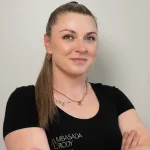
Pressotherapy, also known as pneumatic lymphatic drainage, is one of the methods I regularly use in my therapeutic and aesthetic work with the body. Although often associated with cosmetic treatments, its application goes much deeper - towards real support for the lymphatic system, improving circulation, and aiding the body's natural detoxification processes.
From a physiotherapeutic point of view, pressotherapy is an excellent complement to manual work with patients. It helps reduce edema, feelings of leg heaviness, supports the treatment of venous insufficiency, and accelerates recovery after injuries or surgical procedures. It is also a highly valued element of therapy after liposuction, in body shaping programs, and for individuals leading a sedentary lifestyle.
In aesthetic therapy, pressotherapy supports cellulite reduction, improves skin tone, and enhances cellular metabolism, leading to better body shaping results. The treatment is completely safe, non-invasive, and relaxing - and its effectiveness significantly increases when combined with manual lymphatic drainage, massage, or device-assisted treatments.
In my practice, I see pressotherapy as a conscious supportive tool - not only for improving appearance but primarily for the health and well-being of patients. It is an example of therapy that combines physiology with comfort and can provide real support in both the treatment and prevention processes.