Bikini waxing - how long does it last?
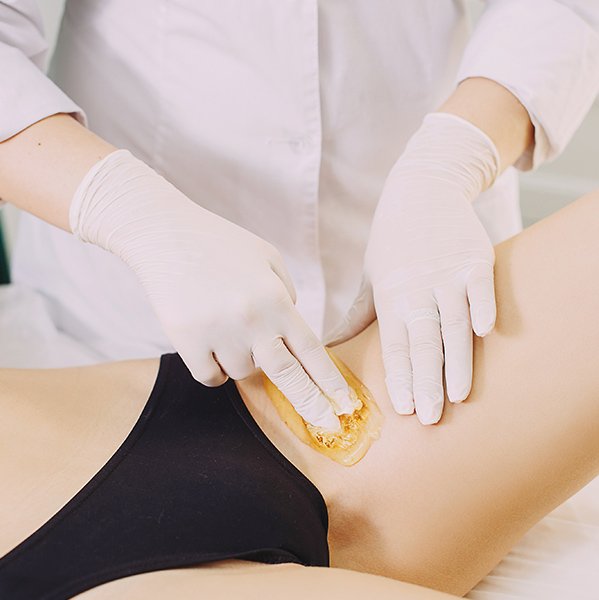
- How long does the waxing bikini effect last?
- What factors determine the longevity of waxing hair removal effects?
- How often should waxing be repeated to maintain smooth skin?
- How to prepare the skin for bikini waxing?
- How to take care of your skin after waxing to prolong the effects of the treatment?
- Does regular waxing weaken hair and prolong the effects of depilation?
- How to prevent ingrown hairs after bikini hair removal?
Bikini waxing is a proven method to achieve velvety smooth skin. Hairs are removed along with the bulbs, allowing you to enjoy the effects of the treatment typically for three to six weeks. However, it's important to remember that the first, delicate hairs may start to regrow a bit earlier, after just two or three weeks. The lasting effect of waxing is always an individual matter, closely related to the hair growth cycle.
Regular waxing treatments significantly extend the duration of the results. Additionally, hairs become weaker and sparser over time, and their regrowth is noticeably slower, allowing for less frequent treatments.
The duration of the effect of wax hair removal is variable and depends on many factors, such as:
- the rate of hair regrowth - which is individual and related to the body's predispositions, genetics, or hormonal balance,
- hair characteristics (including density, color, and type) - darker and thicker hairs usually reappear more quickly,
- hair growth phase - the treatment is most effective during the anagen phase,
- season - hair may regrow faster in summer,
- the professionalism of the person performing the treatment,
- the quality of the wax used.
The durability of the waxing hair removal effect is variable and depends on many factors, such as:
- hair regrowth rate - it is individual and related to the body's predispositions, genetics, or hormonal balance,
- hair characteristics (including density, color, and type) - darker and thicker hairs usually appear faster,
- hair growth phase - the treatment is most effective during the anagen phase,
- season - hair may regrow faster in summer,
- the professionalism of the person performing the treatment,
- quality of the wax used.
To ensure effective and comfortable hair removal, proper skin preparation is essential. Make sure the hair length is between 0.5 to 1 cm – hair that is too short may not be removed, while hair that is too long can increase discomfort during the procedure. Remember the following guidelines:
- 1-2 days before the treatment, exfoliate (e.g. with a sugar or coarse-grained scrub) to remove dead skin cells, making hair removal easier and reducing the risk of ingrown hairs;
- On the day of depilation, the skin must be clean and dry, so avoid using oily creams or lotions to allow the wax to adhere better to the skin and remove hair more effectively;
- Avoid sun exposure a few days before depilation to prevent irritation and increased skin sensitivity;
- Always consider contraindications to the treatment, such as skin inflammations, fresh wounds, irritations, or wax allergies;
- Depilation during menstruation is possible, but remember that the skin may be more sensitive, which can increase discomfort during the procedure.
After waxing, the skin is often red and slightly tender, so taking care of it is extremely important. Proper skincare will help soothe any irritation and maintain smoothness for longer.
For about 48 hours after waxing, avoid hot baths, saunas, and swimming pools. Also, steer clear of sunbathing. Wear breathable, loose underwear to prevent chafing and minimize the risk of irritation.
Use soothing products containing ingredients like panthenol, aloe, allantoin, or chamomile - these ingredients effectively calm the skin and reduce redness. If there are any wax residues left on the skin, gently remove them with oil.
A few days after the treatment, perform a gentle exfoliation to help prevent ingrown hairs. Moisturize the skin daily to keep it soft and supple. Avoid using antiperspirants on freshly waxed, sensitive areas.
Systematic waxing effectively weakens the hair. During the treatment, you remove them along with the bulbs, so the skin remains perfectly smooth for longer. Although the hair regrows, with each subsequent session it becomes weaker, thinner, sparser, and lighter. Its growth is significantly slowed down, and the texture becomes softer. Additionally, each subsequent depilation is much less painful.
Ingrown hairs are a common problem that often occurs after hair removal, especially in delicate areas such as the bikini area. They occur when growing back, encountering a barrier of dead skin cells and being unable to break through the skin's surface.
To effectively prevent ingrown hairs, it is crucial to incorporate exfoliation and moisturizing into your daily skincare routine. This will provide the skin with elasticity and facilitate the hair's free growth. Proper hygiene is also extremely important in minimizing the risk of folliculitis, which often accompanies this issue.
After hair removal, avoid wearing tight clothing and underwear as they can irritate the skin and hinder proper hair growth. Additionally, use specialized products that, thanks to their soothing ingredients, will support healthy hair growth and prevent ingrown hairs.

