Lymphedema after mastectomy
back to main page
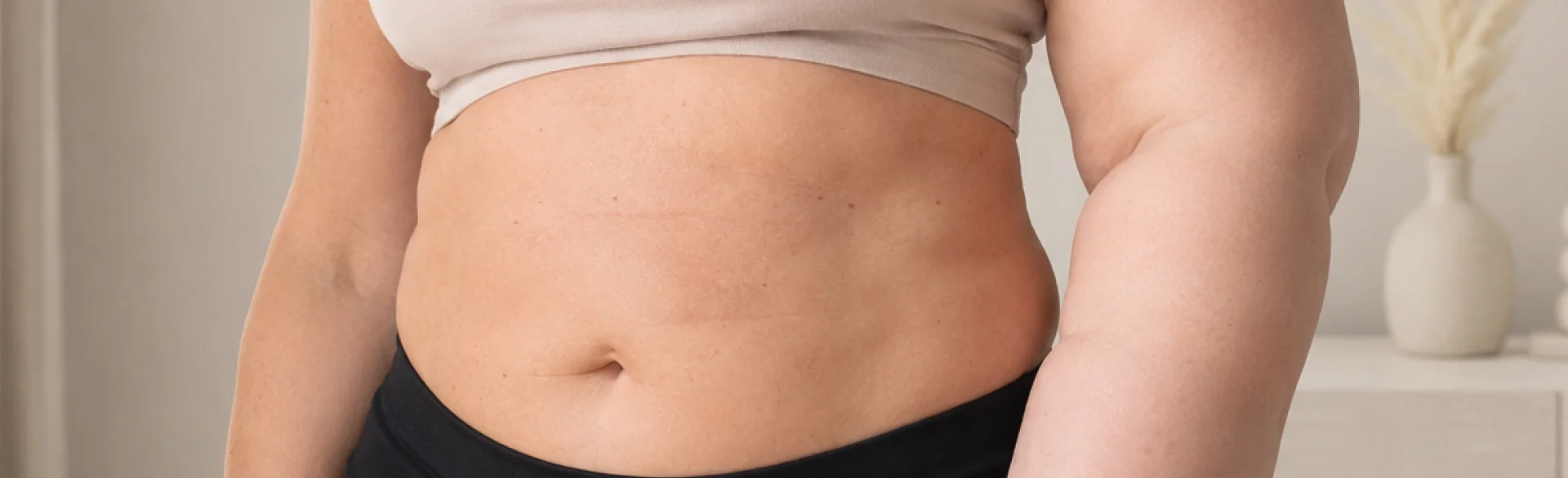
Post-mastectomy lymphedema is a chronic impairment of lymphatic drainage that develops following damage to or overload of the lymphatic vessels and lymph nodes during breast cancer treatment. It most commonly affects the upper limb, but may also involve the hand, breast, chest wall, axilla, and scapular region. Today, the broader term breast cancer-related lymphedema is used, as the complication can also occur after breast-conserving surgery, sentinel lymph node biopsy, axillary lymphadenectomy, or radiotherapy. Untreated lymph stasis leads to chronic inflammation, adipose tissue remodeling, and fibrosis. Early diagnosis is essential, as intervention at the subclinical stage can reduce the risk of permanent changes.
Lymphedema after mastectomy - why it occurs
The lymphatic system drains fluid containing water, proteins, immune cells, and metabolic waste products from tissues. During surgical treatment for breast cancer, part of the axillary lymphatic pathways may be severed, and lymph nodes removed. The transport capacity of the lymphatic system decreases, even though the production of tissue fluid is maintained.
Of greatest significance is axillary lymphadenectomy, which is the removal of a larger number of lymph nodes. Sentinel lymph node biopsy carries a lower, but non-zero risk. Radiotherapy to regional lymph nodes may additionally induce inflammation and tissue fibrosis, narrowing the lymphatic drainage pathways.
Factors that increase the likelihood of edema include:
- extensive surgical treatment of the axillary fossa;
- irradiation of the axilla and regional nodal areas;
- a large number of removed or cancer-involved lymph nodes;
- wound infection, tissue necrosis, hematoma, or persistent seroma;
- obesity, particularly a BMI of at least 30 kg/m²;
- limited shoulder mobility and reduced muscle activity;
- injuries and recurrent skin infections of the limb;
- locally advanced cancer or recurrence obstructing lymphatic drainage.
The accumulation of protein-rich fluid activates inflammatory processes. Over time, adipocyte hypertrophy, collagen deposition, and fibrosis of subcutaneous tissue occur. Therefore, chronic edema is not merely "water retention", but a disease leading to structural changes.
Lymphedema after mastectomy - how long after surgery does it appear
Edema may appear at any time after the completion of treatment, from the first weeks to several or even several dozen years after surgery. However, the highest number of new cases is diagnosed within the first two or three years. In a five-year prospective study, approximately 80% of first episodes occurred within two years, and 89% within three years of breast cancer diagnosis [1].
It is important to distinguish:
- transient postoperative edema, resulting from healing, local inflammatory response, and temporary movement restriction;
- subclinical outflow impairment, in which the patient does not yet see a difference in circumference, but extracellular fluid content increases;
- clinical lymphedema, causing noticeable symptoms or measurable limb enlargement.
According to the International Society of Lymphology classification, stage 0 indicates latent impaired lymph transport. In stage I, the edema is soft and may decrease after rest or arm elevation. Stage II is characterized by progressive fibrosis and limited compressibility, whereas stage III involves significant limb enlargement and advanced skin changes.
In high-risk patients, it is valuable to conduct prospective surveillance, including circumference and volume measurements or bioimpedance spectroscopy. The PREVENT study showed that detecting subclinical changes using bioimpedance and appropriately early compression therapy can reduce the risk of progression to chronic edema [2].
Lymphedema after mastectomy - what are the first symptoms
The earliest sign is not always a visible enlargement of the arm. Subjective symptoms may precede a perceptible difference in circumferences. Particular attention should be paid to:
- a sensation of heaviness, tightness, or fullness in the limb;
- tightness of the skin and subcutaneous tissue;
- transient swelling of the hand, fingers, forearm, upper arm, armpit, or breast;
- a tighter sleeve, watch, bracelet, or ring;
- indentations left by clothing or underwear;
- restricted mobility of the shoulder, elbow, wrist, or fingers;
- reduced arm function and faster limb fatigue;
- a sensation of numbness, tingling, tenderness, or dull pain;
- gradual hardening of tissue and reduced skin mobility.
Diagnosis is based on medical history, examination of the skin and tissues, assessment of the location of swelling, and repeatable measurements performed using the same method. Limb circumference and volume measurements, perometry, or bioimpedance are used. In unclear cases, ultrasonography, lymphoscintigraphy, indocyanine green fluorescence lymphography, or magnetic resonance imaging may be helpful.
Sudden unilateral swelling, especially with pain, redness, fever, or shortness of breath, requires urgent diagnostic evaluation. Thrombosis, skin and subcutaneous tissue infection, venous insufficiency, as well as cancer progression or recurrence must be ruled out.
Lymphedema after mastectomy - which activities to avoid
Current recommendations do not justify permanent arm sparing or giving up physical activity. Gradually introduced aerobic and resistance exercises do not increase the risk of swelling, and can improve muscle strength, shoulder mobility, limb function, and quality of life. NICE guidelines clearly indicate that there is no evidence that upper limb activity worsens swelling [3].
However, the following should be avoided:
- sudden initiation of intense training without prior adaptation;
- exercising despite increasing pain, heaviness, or swelling;
- prolonged compression exerted by tight clothing, jewelry, or an ill-fitting orthosis;
- burns, cuts, bites, and other skin injuries;
- self-performed, intensive massage or forceful kneading of swollen tissues;
- heating the limb in very hot water or a sauna if heat clearly exacerbates symptoms;
- physical work exceeding current capacity without a gradual increase in load.
Resistance training should begin with light loads, with monitoring of technique and tissue response. The prohibition of blood pressure measurement, blood drawing, or punctures on the operated side is not strongly supported by research. If the other limb is available, it is reasonable to use it first, but a necessary medical procedure should not be delayed. Proper hygiene, skin disinfection, and limiting the number of unnecessary injuries are the most important.
Lymphedema after mastectomy - what does therapy look like
The basis of treatment is complex decongestive therapy, conducted by a physiotherapist or a therapist specializing in lymphedema. It usually includes two phases: intensive edema reduction and long-term maintenance of the achieved effect.
The most important elements of management are:
- Compression therapy
Includes multi-layer bandaging with short-stretch materials, compression sleeves and gloves, or adjustable compression systems. In current guidelines, it is the first-line treatment. Garments must be individually selected, as improper pressure can cause constrictions and worsen stagnation. - Therapeutic exercises
Hand, elbow, and shoulder movements, breathing exercises, aerobic training, and gradually progressed strength training activate the muscle pump and help maintain limb function. - Manual lymphatic drainage
It is a gentle technique performed in accordance with the anatomy of the lymphatic system. It can relieve tension and support the movement of lymph, but it should not replace compression therapy. Studies do not confirm that it independently prevents the development of edema when used routinely after surgery [4]. - Skin care and education
Includes moisturizing the skin, prompt dressing of wounds, treating fungal infections, and protecting against infections. Fever, redness, tenderness, and a rapid worsening of swelling may indicate erysipelas or cellulitis and require urgent medical consultation. - Complementary methods and surgical treatment
Sequential pneumatic compression is used in selected patients. In refractory cases, lymphatic-venous anastomoses, vascularized lymph node transfer, or liposuction of fibrotic adipose tissue are considered. Qualification is conducted by a specialized lymphatic surgery center.
Ambasada Urody's offer includes manual lymphatic drainage, pressotherapy, and drainage using Icoone Med. Technologies that act mechanically or thermally on tissues are also available, such as LPG Endermologie, INDIBA, and Body Mix RF. In patients after oncological treatment, no machine-based procedure should be treated as a replacement for compression therapy or comprehensive rehabilitation. Icoone Med, LPG, INDIBA, and Body Mix RF are not part of the basic, confirmed standard of care for post-mastectomy edema. Their potential application requires the consent of the attending physician, the exclusion of active neoplastic disease, infection, and thrombosis, as well as qualification by a lymphedema therapist. The intensity and direction of application must take into account the altered lymph drainage pathways.

