Paronychia
back to main page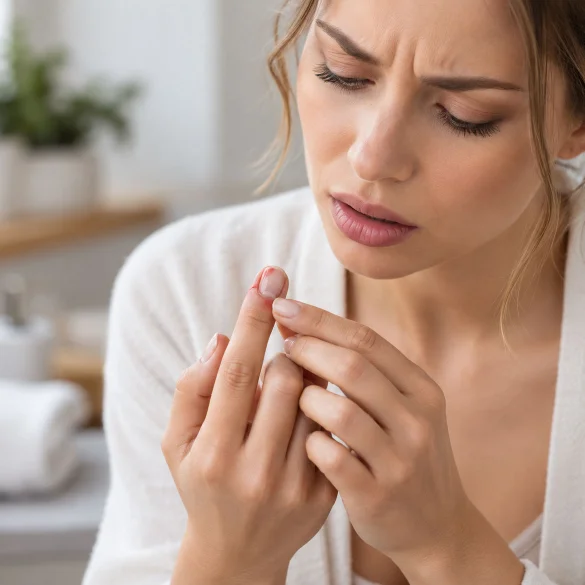

Paronychia, referred to in medical literature as paronychia, is an inflammation of the nail fold, meaning the tissues surrounding the lateral or proximal part of the nail plate. It can affect the fingers or toes and occur in an acute or chronic form. Acute paronychia usually develops within a few days following damage to the epidermal barrier and often has a bacterial cause. The chronic form persists for at least six weeks, and its primary mechanism is long-term inflammation caused by moisture, irritants, or repetitive microtrauma. The method of treatment depends on the cause, the presence of an abscess, the extent of the infection, and comorbidities. Particular caution is required for individuals with diabetes, circulatory disorders, neuropathy, and reduced immunity.
Paronychia - what it looks like
The clinical picture depends primarily on the duration of the disease and the depth of the inflammatory process. The nail fold is part of the anatomical barrier protecting the nail matrix and nail bed. Damage to the eponychium, colloquially referred to as the cuticle, opens the path for microorganisms into the soft tissues.
Acute paronychia most commonly affects a single digit. Typical symptoms include:
- bright red or bluish-red discoloration of the skin around the nail,
- rapidly increasing swelling of the nail fold,
- pain that worsens with touch, pressure, or walking,
- increased warmth in the affected area,
- tense, shiny skin surface,
- visible pustule, yellowish exudate, or collection of pus,
- throbbing that occurs as pressure builds in the tissues.
The abscess may spread under the proximal fold, along the lateral nail edges, or beneath the nail plate. Extensive involvement of the tissues surrounding the nail is sometimes referred to as a run-around abscess. The accompanying spread of redness beyond the fold indicates cellulitis.
Chronic paronychia develops more slowly and often affects several digits. Swelling and tenderness are usually milder. Characteristic features remain the loss of the cuticle, separation of the fold from the nail plate, recurrent exacerbations, and changes in the nail structure. The plate may become dull, ridged, thickened, or discolored.
The differential diagnosis includes herpetic whitlow, ingrown nail, psoriasis, eczema, fungal infection, pyogenic granuloma, and neoplasms of the nail apparatus. A persistent lesion limited to a single digit requires particularly thorough dermatological evaluation.
Paronychia - where does it come from
The direct cause of acute paronychia is usually a disruption of the epidermal barrier. Even very minor trauma allows microorganisms to penetrate the space between the nail plate and the nail fold. The most commonly isolated pathogen is Staphylococcus aureus. Streptococci, Gram-negative bacteria, and mixed flora may also be involved. Contact between a finger and the oral cavity promotes infections involving aerobic and anaerobic bacteria of oral origin.
Common triggers include:
- aggressive cuticle trimming and overly deep manicures or pedicures,
- skin picking, nail biting, and tearing hangnails,
- cuts from cosmetic tools,
- ingrowth of the lateral nail edge into the nail fold,
- tight footwear and repetitive pressure on the toes,
- injuries related to sports or manual labor,
- persistent moisture in gloves or footwear,
- finger sucking in children.
Chronic paronychia is primarily inflammatory in nature. Repeated contact with water, detergents, solvents, acids, and alkalis damages the stratum corneum and the cuticle. A space is formed where moisture and irritants become trapped. Yeasts of the genus Candida may colonize this area; however, they are often a secondary element following barrier damage.
The risk of a chronic course is increased by diabetes, peripheral circulatory disorders, atopic dermatitis, psoriasis, and immunodeficiencies. Paronychia can also occur as an adverse effect of retinoids, certain anticancer drugs, epidermal growth factor receptor inhibitors, and kinase inhibitors.
Paronychia - can it be treated at home
Mild, early paronychia without a visible abscess, extensive swelling, or systemic symptoms can initially be managed conservatively. The goal is to limit moisture, reduce inflammation, and protect the damaged barrier.
Safe management includes:
- soaking the digit in warm water for about ten to fifteen minutes, several times a day,
- thorough, gentle drying of the nail fold after each soak,
- protecting the area from friction and pressure,
- wearing wide, breathable footwear in the case of lesions on the foot,
- limiting hand contact with water and detergents,
- using protective gloves with a cotton inner layer when working in a wet environment,
- monitoring the extent of redness, swelling, and discharge.
Topical medications are selected by a doctor or pharmacist according to the clinical picture. In acute paronychia, antiseptic preparations, a topical antibiotic, or therapy combining an antibacterial with an anti-inflammatory drug may be used. Chronic paronychia primarily requires restoring the barrier and treating inflammation. Topical glucocorticosteroids are most commonly used, and in selected cases, calcineurin inhibitors. Antifungal treatment is justified after confirming a coexisting fungal infection.
The presence of an abscess changes the management approach. A closed collection of pus usually requires professional drainage. An oral antibiotic may be indicated in cases of cellulitis, more severe infection, immune disorders, or an increased risk of complications. The choice of drug should take into account the likely pathogens, local bacterial resistance, allergies, and the patient's general condition.
Paronychia - what not to do
Self-manipulation within an inflamed nail fold can spread the infection into deeper tissues, damage the nail matrix, and complicate subsequent clinical evaluation. Actions performed with sharp, random, or non-sterile tools carry a particular risk.
In the case of paronychia, you should avoid:
- puncturing, incising, and squeezing the pus collection,
- deeply cutting out the lateral fragments of the nail plate,
- aggressive removal of cuticles and hangnails,
- applying an orthonyxial brace without prior qualification,
- intensive filing and milling/drilling of the painful area,
- applying nail polish, hybrid, gel, or acrylic over active inflammation,
- keeping the finger in a moist, occlusive environment for prolonged periods,
- sharing manicure and pedicure tools,
- self-administering leftover antibiotics from previous treatments,
- applying irritating substances, concentrated oils, spirit, or caustic preparations.
Particular caution applies to herpetic whitlow. Vesicles with clear fluid, burning, and distinct pain may indicate a herpes virus infection. Incision of such a lesion increases the risk of viral spread and secondary bacterial infection.
In the chronic form, short-term improvement after symptomatic treatment will usually be sustained only if moisture, detergents, trauma, and procedures that disrupt the cuticle are reduced at the same time. Restoring the proper barrier of the nail fold often takes many weeks or months.
Paronychia - when a podiatrist's help is needed
A podologist primarily helps in cases of toenail paronychia associated with an ingrown or involuted toenail, shoe pressure, nail plate deformity, or improper care. During the visit, they assess the nail, nail folds, areas of overload, and biomechanical factors. Identifying an abscess, spreading infection, or an atypical lesion is an indication to refer the patient to a physician.
A podology consultation is particularly justified when the following occur:
- an ingrown nail edge and painful pressure on the nail fold,
- recurrent inflammation of the same toe,
- deformity, thickening, or an abnormal growth path of the nail plate,
- exudate, granulation tissue, or persistent tenderness,
- difficulties with safe nail trimming,
- diabetes, neuropathy, or circulatory disorders,
- the need to relieve pressure on the toe and protect the inflamed area.
At Ambasada Urody, podological procedures are available after individual qualification: consultation and specialized podological treatment, treatment and trimming of an ingrown nail, tamponade, orthonyxia braces, cleaning of the nail folds, medicated dressing, pressure-relieving dressing, silver dressing, as well as customized pressure reliefs and silicone orthoses. The brace gradually corrects the curvature and growth path of the nail plate. The tamponade separates its edge from the irritated fold, while dressings and orthoses reduce friction, pressure, and secondary trauma.
An active abscess, fever, rapidly spreading redness, red streaks, severe pain, or impaired toe mobility require urgent medical evaluation. Abscess drainage and pharmacotherapy for the infection belong to medical treatment.
