Skin hydrolipid barrier
back to main page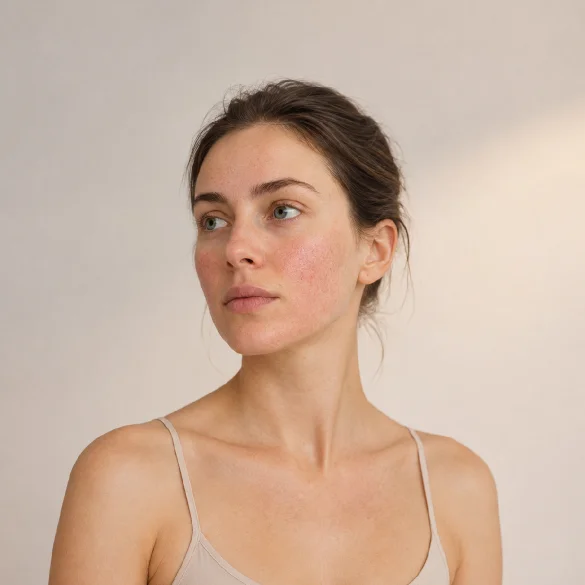

The skin's hydrolipid barrier is a colloquial term for a set of structures and substances that limit water loss and the penetration of microorganisms, allergens, irritants, and pollutants. Its most important part is the epidermal barrier located in the stratum corneum, composed of corneocytes surrounded by an ordered lipid matrix. It is complemented by the skin surface's water-lipid film, acidic pH, natural moisturizing factor, microbiome, and immunological mechanisms. A properly functioning barrier maintains adequate hydration, elasticity, and resistance of the epidermis. Its damage increases transepidermal water loss, or TEWL, as well as the skin's susceptibility to irritation and inflammation. Barrier disruption can be a temporary consequence of improper skin care, but it also occurs in the course of dermatological diseases.
Skin hydrolipid barrier - what is it
From a scientific point of view, the term "hydrolipid barrier" encompasses several cooperating elements. Of fundamental importance is the stratum corneum of the epidermis, often compared to a wall: corneocytes are its "bricks", and intercellular lipids form the "mortar". The lipid matrix primarily contains ceramides, cholesterol, and free fatty acids, arranged in regular lamellae that limit uncontrolled water evaporation.
Inside the corneocytes is the natural moisturizing factor (NMF), a mixture of amino acids, their derivatives, lactates, urea, and mineral salts. These substances bind water and maintain the proper plasticity of the stratum corneum. On the skin's surface, there is a thin water-lipid mantle, co-created by sebum, sweat, and epidermal lipids.
Important functions are also performed by:
- the acid mantle of the skin, the pH of which is around 4.5-5.9 in most healthy individuals;
- cornified envelope proteins and intercellular junctions;
- filaggrin, whose breakdown produces some of the NMF components;
- the microbiome, which competes with potential pathogens;
- innate immunity mechanisms, including antimicrobial peptides.
The barrier is not a static structure. The epidermis constantly synthesizes lipids, differentiates keratinocytes, and sheds the most superficial corneocytes, maintaining a balance between renewal and desquamation.
Skin hydrolipid barrier - what does skin with a damaged barrier look like
Barrier damage increases TEWL, reduces the water content in the stratum corneum, and facilitates the penetration of irritants. The clinical picture is not always the same. The skin may be dry and flaking, but sometimes remains oily, as increased sebum secretion does not compensate for the deficiency of intercellular lipids or epidermal dehydration.
The most common symptoms include:
- a feeling of tightness, especially after washing;
- roughness, fine-scale flaking, and loss of smoothness;
- burning, stinging, or itching;
- transient or persistent redness;
- hyper-reactivity to cosmetics that were previously well tolerated;
- a dull complexion and the visible appearance of fine lines resulting from dehydration;
- increased susceptibility to irritation from wind, cold weather, dry air, and UV radiation;
- exacerbation of inflammatory lesions or blemishes.
Such symptoms are non-specific and do not independently confirm the diagnosis of a "damaged barrier". A similar clinical picture can be caused by atopic dermatitis, contact eczema, rosacea, seborrheic dermatitis, psoriasis, and infections. Persistent erythema, oozing, vesicles, swelling, painful fissures, crusts, or severe itching require a dermatological consultation. In research and diagnostic testing, barrier function can be assessed, among others, by measuring TEWL, using corneometry to determine stratum corneum hydration, and measuring the skin surface pH.
The skin's hydrolipid barrier - what damages it
Barrier disruption occurs when lipid removal, corneocyte damage, or increased inflammation exceeds the repair capacity of the epidermis. The most common skincare-related cause is the simultaneous use of multiple potent products.
The barrier can be weakened by:
- frequent washing, hot water, long baths, and alkaline soaps;
- harsh surfactants and products with a high alcohol content;
- overly frequent exfoliation, cleansing brushes, and microdermabrasion;
- improper combination of retinoids, AHA/BHA acids, benzoyl peroxide, and other irritating substances;
- improperly performed laser treatments, chemical peels, or microneedling;
- UV radiation, low humidity, frost, wind, air conditioning, and air pollution;
- shaving, friction, occlusion, and frequent skin contact with detergents;
- aging, which is associated with reduced synthesis of epidermal lipids;
- inflammatory skin diseases and genetic predispositions, including filaggrin gene variants.
The pH of a cosmetic product alone does not determine its mildness. The type and concentration of cleansing agents, contact time, and the overall formulation are also important. Additionally, the terms "natural", "organic", and "hypoallergenic" do not guarantee safety. Essential oils, fragrance compositions, and plant extracts can cause irritation or allergic contact dermatitis.
Skin's hydrolipid barrier - how to rebuild it
The foundation is a temporary simplification of skincare. The skin should be washed briefly with lukewarm water and a mild syndet cleanser. Immediately after drying, it is advisable to apply a fragrance-free cream combining three groups of ingredients:
- humectants, e.g., glycerin, urea in a mild concentration, or hyaluronic acid, which increase hydration of the stratum corneum;
- emollients, which fill the spaces between corneocytes and improve skin softness;
- occlusive substances, e.g., petrolatum, which reduce water evaporation.
Formulations containing ceramides, cholesterol, and free fatty acids can support the restoration of the lipid matrix. Panthenol, beta-glucan, colloidal oatmeal, and appropriately tolerated niacinamide can also be helpful. Peels, retinoids, strong acids, cleansing brushes, and fragranced products should be temporarily discontinued. Daily broad-spectrum photoprotection with SPF 30-50 limits additional damage caused by UV radiation.
At Ambasada Urody, procedures designed for dry and dehydrated skin are available: Intraceuticals Rejuvenate, also with an antioxidant or collagen booster; sonophoresis, collagen sonophoresis, and cavitation peeling with sonophoresis; HydraFacial; Hydro and Regeneration Microdermabrasion; moisturizing Selvert Thermal BIO-treatments, including the maximally moisturizing variant, for dry skin, and with snail protein extract; vitamin A iontophoresis; C Quel treatment, peptide treatment, Multi-regeneration for sensitive skin, and the Environ moisturizing and soothing treatment. The offer also includes oxygen infusion, oxybrasion, INDIBA, facial endermologie, hyaluronic acid mesotherapy, and redermalization.
The selection must depend on the current condition of the skin. In the case of active burning, erythema, or peeling, soothing procedures take priority. HydraFacial, microdermabrasion, cavitation peeling, GlykoPeel, LactiPeel, and LacPamgel should be postponed until the barrier is restored. Mesotherapy improves hydration of the dermis, but does not replace stratum corneum lipids.
Skin hydrolipid barrier - how long does restoration take
There is no single universal timeline for barrier recovery. After mild, one-time damage, repair processes begin within hours: lipid synthesis, lamellar body secretion, and keratinocyte renewal increase. A noticeable improvement in comfort may occur after a few days, but it does not yet mean the complete restoration of lipid organization and epidermal resilience.
As a rough guide:
- mild dryness or irritation may subside within a few days to about 2 weeks;
- noticeable damage from over-exfoliation or retinoids often requires 2-6 weeks;
- with eczema, atopic dermatitis, rosacea, or repeated exposure to an irritant, disruptions may persist for months and recur.
The rate of regeneration depends on the depth of the damage, age, body area, comorbidities, ambient humidity, and consistency in skincare. A full epidermal renewal cycle takes an average of several weeks, but it should not be treated as an exact "repair deadline" for the barrier. Successful recovery is indicated by the absence of burning and tightness, the resolution of flaking, good tolerance of basic skincare products, and stable skin hydration. Active ingredients should be reintroduced one by one, gradually, and initially with lower frequency. A lack of improvement after 2-4 weeks, worsening of symptoms, or signs of infection are indications for a dermatological evaluation.

