Folliculitis
back to main page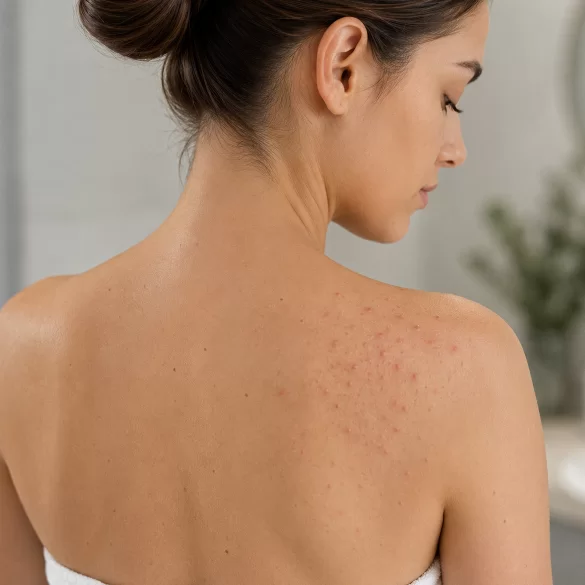
Folliculitis is an inflammatory condition affecting hair follicles, which are the skin structures responsible for hair growth. The condition can be superficial or deep and affect both individual follicles and extensive areas of the skin. It most commonly develops as a result of a bacterial infection, less frequently fungal or viral, or as a result of chronic mechanical irritation and disruption of the skin's hydrolipid barrier. Lesions can occur on any area of the body covered with hair, but they appear particularly often in areas exposed to friction, shaving, excessive sweating, and skin occlusion. Folliculitis is one of the most common infectious dermatoses and can be either mild or chronic with a tendency to recur.
Folliculitis – symptoms
Symptoms of folliculitis depend on the depth of the inflammatory process, the type of microorganism, and individual skin reactivity. A typical lesion is a small papule or pustule located around the hair, often surrounded by erythema, i.e., redness of the skin resulting from the dilation of blood vessels.
The most commonly observed symptoms include:
- small pustules with a centrally visible hair,
- skin redness,
- tenderness or pain to the touch,
- itching and burning,
- a feeling of skin tightness,
- local swelling,
- skin hypersensitivity after shaving or hair removal.
In superficial inflammation, the lesions are usually small pustules and resolve without leaving scars. In deep forms, the formation of painful inflammatory infiltrates, nodules, boils, or even abscesses may occur. Such lesions are associated with a risk of permanent damage to the hair follicle and the formation of atrophic or hypertrophic scars.
Chronic or recurrent folliculitis may indicate coexisting dermatological or systemic disorders, such as diabetes, obesity, atopic dermatitis, reduced immunity, or hormonal disorders. Special attention should be paid to lesions that persist despite treatment or cover large areas of the skin.
Folliculitis - appearance
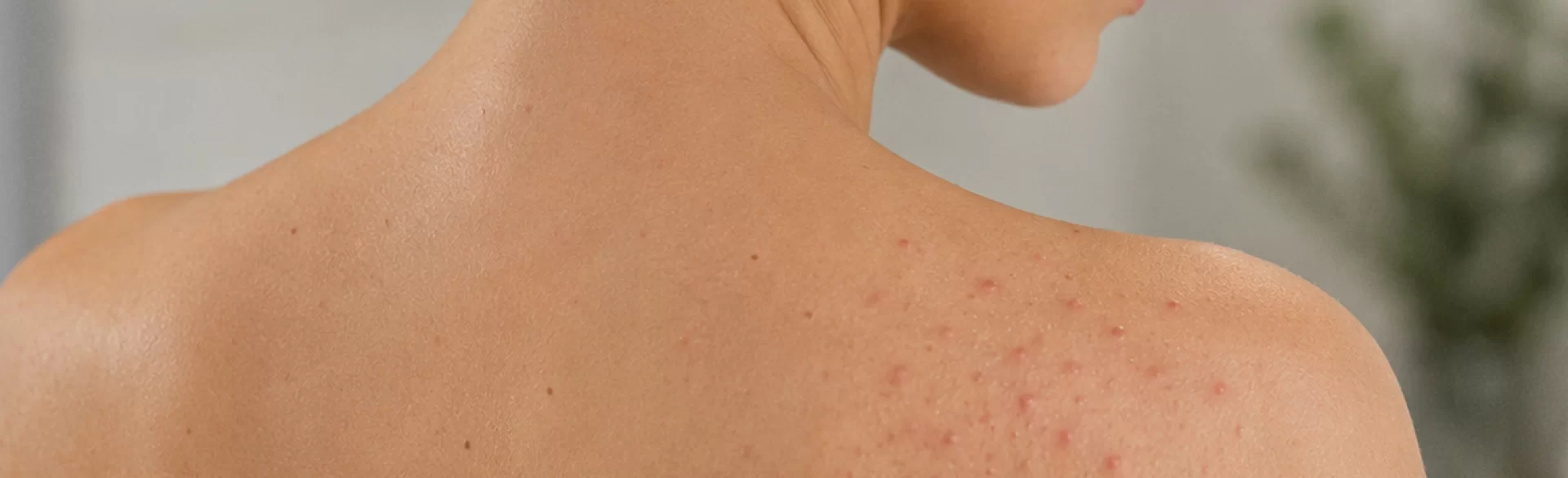
The appearance of skin lesions in the course of folliculitis is relatively characteristic, although it may resemble acne, heat rash, or allergic reactions. The key diagnostic feature is the location of the lesions around the opening of the hair follicle.
The lesions can take the form of:
Type of lesion | Characteristics |
|---|---|
Inflammatory papules | Small, red elevations of the skin |
Pustules | Lesions filled with purulent content |
Nodules | Deeper, painful inflammatory infiltrates |
Crusts | They form after the rupture of pustules |
Post-inflammatory discoloration | Common after the lesions have healed |
In the initial phase, tiny red dots clustered around the hair appear. Subsequently, pustules with yellowish purulent content may form. The skin around the lesions becomes red and irritated. In more severe cases, larger inflammatory infiltrates develop, with a tendency to ooze and pain.
It is worth emphasizing that the appearance of the lesions may vary depending on the cause:
- bacterial folliculitis often results in purulent pustules,
- fungal inflammation tends to be more itchy and widespread,
- post-shaving inflammation is characterized by tiny papules and ingrown hairs,
- inflammation caused by Malassezia yeasts often resembles acne and is located on the back and chest.
Dermatological differential diagnosis is of significant importance, as not every pustule around a hair indicates a classic bacterial infection.
Folliculitis – causes on the body
The most common cause of folliculitis is bacteria, primarily Staphylococcus aureus (golden staph), naturally residing on the skin surface. The infection usually develops when the epidermal barrier is damaged.
Factors contributing to the development of folliculitis include:
- shaving with a razor and skin micro-injuries,
- mechanical hair removal or waxing,
- wearing tight, non-breathable clothing,
- excessive sweating,
- obesity and increased skin friction,
- using insufficiently disinfected hot tubs and swimming pools,
- chronic stress and weakened immunity,
- long-term antibiotic therapy,
- use of topical glucocorticosteroids,
- diabetes and metabolic disorders.
An important factor is also the mechanical blockage of the hair follicle opening. Skin occlusion leads to sebum accumulation, microbial multiplication, and the development of inflammation. Therefore, lesions often appear after intense physical exertion, under sportswear, or after prolonged skin contact with moisture.
More and more frequently, inflammation associated with ingrown hairs is also observed after laser hair removal performed incorrectly or with improper post-treatment care. Paradoxically, however, professional laser epilation, carried out using properly selected technology, is one of the most effective methods of reducing the recurrence of folliculitis in areas prone to ingrown hairs.
In dermatological therapy, the following are used, among others:
- antibacterial treatment,
- anti-inflammatory preparations,
- keratolytic peels,
- LED light therapy,
- hair-reducing laser therapy,
- treatments normalizing the function of sebaceous glands.
The offer includes procedures supporting the therapy of skin prone to inflammation and ingrown hairs, including modern laser hair removal and treatments regenerating the skin's hydrolipid barrier.
Folliculitis – where it most commonly occurs
Folliculitis can develop on any area of the body covered with hair, however, there are locations particularly predisposed to the occurrence of lesions. This is mainly due to the presence of moisture, friction, sebaceous gland activity, and frequent micro-injuries.
The most common locations include:
- face and neck,
- scalp,
- armpits,
- bikini area,
- buttocks,
- thighs,
- back,
- chest,
- beard in men.
In men, a common problem is beard folliculitis associated with daily shaving. In the area of the back of the neck, so-called keloid folliculitis can develop, leading to the formation of hypertrophic scars.
In women, lesions often occur in the bikini area and on the legs after hair removal. In the area of the buttocks and thighs, the problem is exacerbated in people leading a sedentary lifestyle or wearing tight synthetic clothing.
On the scalp, folliculitis can run a chronic course and lead to permanent damage to the hair bulbs and localized hair loss. Such cases require particularly thorough dermatological diagnostics.
Recurrent lesions in the same locations are a sign that not only anti-inflammatory therapy is necessary, but also the elimination of provoking factors and the restoration of proper skin function.

