Purulent pimples on the neck
back to main page
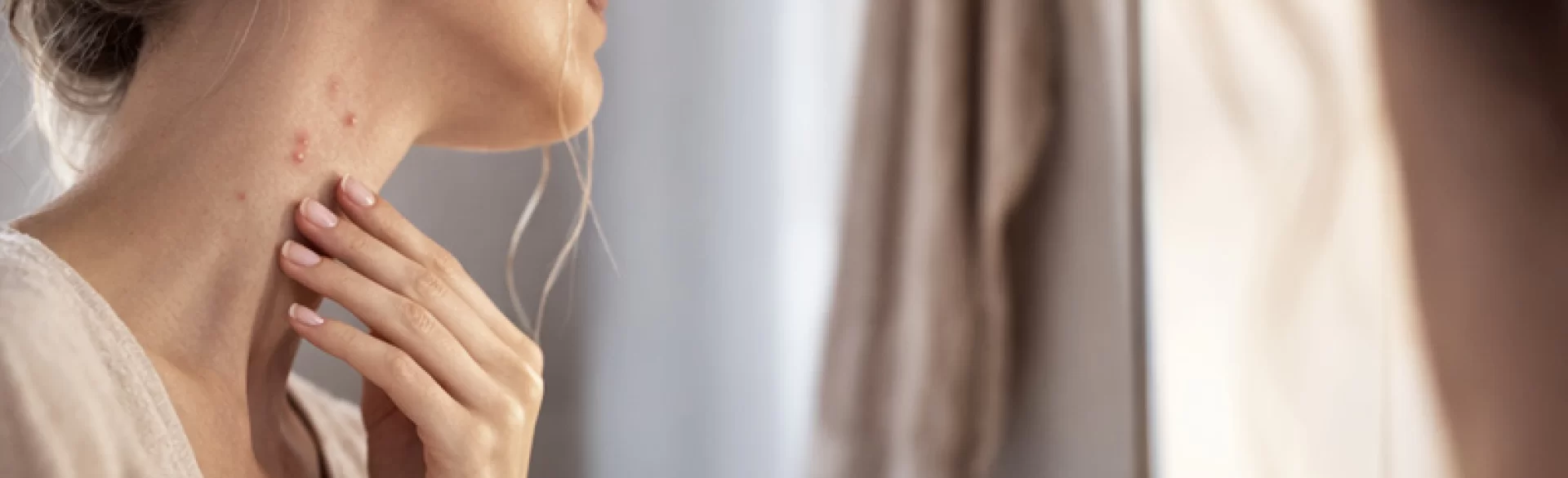
Purulent pimples on the neck are inflammatory skin lesions of a pustular nature, filled with purulent content, occurring within hair follicles and sebaceous glands. Most often, they manifest as inflammatory acne, folliculitis, or secondary bacterial skin infections. The neck is an anatomically specific area — its thin skin, intense friction (collars, scarves), sweat, cosmetics, and contact with hair and styling products promote the colonization of bacteria, mainly Cutibacterium acnes and Staphylococcus aureus. Purulent lesions can be painful, recurrent, and lead to post-inflammatory hyperpigmentation or scarring if not properly treated.
Purulent pimples on the neck – causes
The etiology of purulent lesions on the neck is multifactorial. The most common pathogenetic mechanisms include:
1. Overproduction of sebum and follicular hyperkeratinization
- increased activity of sebaceous glands (androgens),
- blockage of the follicle opening (microcomedone),
- development of an anaerobic environment conducive to bacterial proliferation.
2. Bacterial infection
- Cutibacterium acnes – involved in the pathogenesis of acne,
- Staphylococcus aureus – a typical cause of folliculitis,
- less commonly mixed infections.
3. Mechanical and external factors
- friction (shirt collars, turtlenecks, bag straps),
- sweat and lack of proper hygiene after exercise,
- comedogenic cosmetics (e.g., heavy oils),
- hair products dripping onto the neck.
4. Systemic disorders
- hyperandrogenism,
- insulin resistance,
- chronic stress (increased cortisol),
- skin microbiome disorders.
In men, lesions may worsen around the beard line due to micro-injuries from shaving. In women, it is worth considering the relationship with the menstrual cycle and possible hormonal disturbances.
Purulent pimples on the neck – should you squeeze them?
From the perspective of clinical dermatology, the answer is clear: self-extraction of purulent lesions is not recommended.
- It increases the risk of secondary bacterial infection,
- It promotes the spread of bacteria to neighboring hair follicles,
- It leads to damage to the dermis,
- It increases the risk of developing atrophic or hypertrophic scars,
- It aggravates post-inflammatory hyperpigmentation (PIH).
The neck is an area with relatively thin skin and rich vascularization. Mechanical pressure can cause the purulent content to penetrate deeper, which promotes the formation of painful inflammatory infiltrations, and even boils (furunculus).
If the lesion is large, painful, and tense, the appropriate course of action is:
- Dermatological consultation,
- Possible incision and drainage under aseptic conditions,
- Implementation of topical or systemic therapy.
Purulent pimples on the neck - how to treat?
Treatment depends on clinical diagnosis and severity of the lesions. Management includes topical therapy, systemic therapy, and procedural interventions.
1. Topical Treatment
In mild and moderate cases, the following are used:
- benzoyl peroxide (BPO) – antibacterial and keratolytic action,
- topical retinoids (adapalene, tretinoin) – normalization of follicular keratinization,
- topical antibiotics (clindamycin, erythromycin) – in combination therapy,
- preparations with azelaic acid – anti-inflammatory action and reduction of hyperpigmentation.
2. Systemic Treatment
In cases of extensive, recurrent, or painful lesions:
- oral antibiotic therapy (e.g., doxycycline),
- hormonal treatment (in women with hyperandrogenism),
- oral isotretinoin – in severe forms of acne.
3. Supportive Procedures
In supportive therapy, especially in cases prone to recurrence, the following are used:
- chemical peels (salicylic acid, pyruvic acid),
- LED light treatments with anti-inflammatory effects,
- laser therapy reducing bacteria and inflammation,
- professional skin cleansing in a clinical setting.
Also of key importance are:
- daily, gentle skin hygiene,
- avoiding friction and pressure,
- selection of non-comedogenic cosmetics,
- disinfection of accessories that come into contact with the skin (e.g., razors).
If purulent pimples on the neck are recurrent, painful, or leave scars, in-depth dermatological diagnostics are necessary, rather than symptomatic “spot” treatment. In aesthetic medicine, effective treatment of inflammatory lesions and their aftermath (hyperpigmentation, scars) requires multi-stage therapy and an individualized management plan, based on current dermatological standards.

