Relaxation or therapeutic massage? Which one to choose after vacation fatigue?
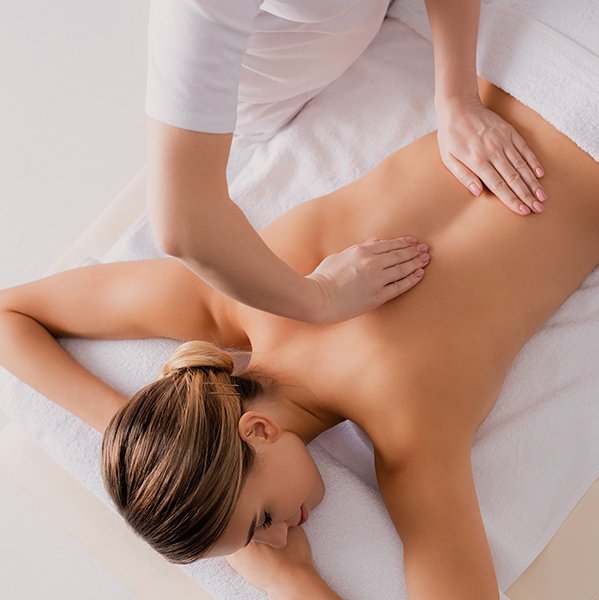
Post-vacation massage - which one to choose:
- Two different goals - a relaxation massage calms the nervous system and reduces stress, while a therapeutic massage removes pain and muscle tension.
- The choice depends on the need - in case of fatigue and overstimulation, choose a relaxation massage; for stiffness or back pain, go for a therapeutic one.
- Returning from vacation burdens the body with tension, stiffness after travel, and a disrupted circadian rhythm.
- At Ambasada Urody, you can select a relaxation, therapeutic, or aromatherapy massage tailored to your body's condition after vacation.
Table of contents
- Where does fatigue after a vacation come from?
- How does a relaxation massage differ from a therapeutic massage?
- How does a relaxation massage reduce stress and tension?
- When does a therapeutic massage work best?
- Which massage to choose after returning from vacation?
- Other techniques supporting body regeneration
- Contraindications: who should be careful?
- Frequently asked questions about post-vacation massage
Where does fatigue after a vacation come from?
Returning to responsibilities can be stressful, and the previously calmed nervous system starts working in high gear. The clash with a list of pending tasks means that instead of new energy, an emotional slump and anxiety appear.
On top of the mental strain comes travel fatigue. Long hours in one position and changing time zones disrupt the circadian rhythm and cause muscle stiffness. At such times, the body needs gentle adaptation rather than another stimulus, which is why a well-chosen massage speeds up the return to balance.
How does a relaxation massage differ from a therapeutic massage?
Relaxation massage works gently and focuses on calming the nervous system. It is a soothing ritual.
Therapeutic massage works deeply to eliminate a specific ailment. It is a precise therapeutic tool.
The following comparison organizes the most important differences.
Feature | Relaxation massage | Therapeutic massage |
Goal | Calming and stress reduction | Eliminating pain and muscle tension |
Technique | Gentle, fluid, slow movements | Deep pressure, work on tissues and fascia |
For whom | Overworked, stressed, overstimulated | With back pain and stiffness from sedentary work |
Effect | Relaxation, better sleep, tranquility | Greater range of motion and pain relief |
When to choose | When fatigue and stress dominate | When bothered by a specific ailment |
If tension and irritability are what bother you most after a vacation, relaxation is the natural choice. However, when back pain or a stiff neck is bothering you, therapeutic work reaching the deeper tissue layers is needed.
How does a relaxation massage reduce stress and tension?
Relaxation massage involves gentle, fluid movements. They slow down the stress response and stimulate the release of endorphins, which improve mood and relax tense muscles. Beyond the psychological dimension, massage brings relief to sore muscles and can provide support with sleep problems and tension headaches.
The relaxation effect can be extended by choosing a variant tailored to your needs. Aromatherapy massage soothes the senses with selected oils, oriental massage and Ayurveda combine manual techniques with deep tranquility, and wellness massage focuses on complete relaxation. By stimulating circulation, the treatment supports the removal of metabolic waste products, helping the body regain its strength faster.
When does a therapeutic massage work best?
Therapeutic massage is a form of therapy indicated for persistent pain, limited mobility, and tension from prolonged sitting, wherever there is a need to reach the source of the ailment. Specialists use deep tissue techniques and fascial therapy to relax overloaded areas and restore freedom of movement.
Regular work with a therapist brings concrete results:
- Relieving tension in overloaded and painful muscles.
- Restoring joint mobility limited by stiffness.
- Releasing trigger points that radiate pain.
- Improving circulation and soft tissue nourishment.
- Support for strain from long hours of sitting work.
Which massage to choose after returning from vacation?
The decision depends on what dominates: for a feeling of heaviness, swelling, and fatigue, relief is brought by a relaxation massage or lymphatic drainage, and for pain and stiffness - a therapeutic one. The effectiveness of the treatment is determined by an accurate match to the condition of the body, not the pressure strength itself.
With us, the selection of a massage starts with a short conversation - our massage therapists ask about well-being, work routine, and ailments, and then suggest a technique tailored to post-vacation needs. Such an initial assessment allows avoiding a random choice and making better use of the treatment time.
Other techniques supporting body regeneration
Post-vacation regeneration is also supported by several techniques available outside of classic relaxation massage. They are selected based on the goal, as some relax muscles, while others stimulate circulation and lymphatic drainage.
Particularly helpful here are:
- Fascial massage - relaxes tense fascia and restores freedom of movement.
- Classic massage - stimulates circulation and relaxes the muscles of the entire body.
- Lymphatic drainage and LPG endermologie - support lymphatic drainage and reduce the feeling of heavy legs.
- Pressotherapy - stimulates circulation through rhythmic pressure and supports recovery after exertion.
- Ayurveda and oriental massage - combine manual work with soothing the nervous system.
Contraindications: who should be careful?
Massage should be avoided by people with acute infections, fever, thrombosis, or unmanaged high blood pressure, and any health concerns must be reported before the treatment. An honest conversation with a specialist allows the technique to be tailored to your health condition and ensures the complete safety of recovery.
Massage is not always indicated - exercise caution in the following situations:
- Acute infections, viral or bacterial, as well as fever.
- Thrombosis and unmanaged high blood pressure.
- Fresh wounds, skin inflammation, and unhealed procedures.
- A short interval since invasive medical procedures.
Don't return from vacation straight into the whirlwind of duties - let your body reset with a massage tailored to its needs, and tension and fatigue will quickly give way to calm recovery!
Frequently asked questions about post-vacation massage
How often can you get a massage?
Relaxation massage can be performed regularly, even once a week, because gentle techniques do not strain the body. Therapeutic massage is usually planned in a shorter series, at intervals determined by the therapist based on the ailments. After an intense deep tissue treatment, the body needs a few days to regenerate, which is why such sessions are not scheduled too closely together.
Can you go for a massage on an empty stomach?
It is better to eat a light meal an hour or two before the appointment. A massage on a completely empty stomach can worsen weakness and dizziness, and right after a heavy meal it can be uncomfortable when working on the abdomen. An easily digestible snack and a glass of water drunk before the treatment work best.
Can you return to physical activity right away after a massage?
After a relaxation massage, there are usually no obstacles, although the body responds best to quiet relaxation right after the treatment. After a therapeutic massage working on deep tissues, it is better to skip an intense workout for one or two days, because muscles need time for recovery. Drinking water also helps, which supports the removal of metabolic waste products.
Can you go for a massage with tanned skin?
A healthy tan is not an obstacle, but freshly sunburned or peeling skin should not be massaged until it regenerates. Friction and pressure on irritated epidermis worsen inflammation. After vacation, it is worth waiting a few days after intense sun exposure and choosing gentler techniques if the skin remains sensitive.

