Return to a skincare routine after vacation - where to start at the cosmetologist
Post-vacation care – where to start:
- Start with diagnostics – it is skin analysis, not new cosmetics, that shows what the skin needs after summer and in what order to rebuild it.
- Skin after summer is different – sun and wind weaken the protective barrier, so the pre-vacation routine often stops being enough.
- Order matters – first gentle exfoliation, then rebuilding the hydrolipid barrier, and finally working on discoloration.
- The clinic and home work together – treatments provide the foundation, and daily care reinforces and prolongs the results.
Table of Contents
- Why does skin need regeneration after vacation?
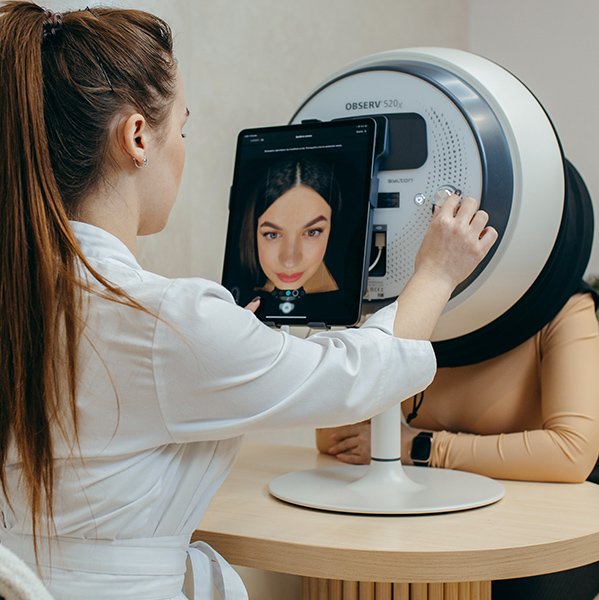
- What does skin diagnostics at a cosmetologist look like?
- Exfoliating treatments to refresh the skin after summer
- How to rebuild the hydrolipid barrier in the clinic?
- What helps with discoloration and photoaging?
- Home skincare routine after returning from vacation
- Which active ingredients support the skin after summer?
- Frequently asked questions about post-vacation care
Why does skin need regeneration after vacation?
Intense sun, wind, and sea breeze disrupt the natural protective barrier, causing the skin to lose water, radiance, and elasticity. The weakened epidermis becomes rough and dull, and collagen fibers degrade, which accelerates the formation of wrinkles and sun discoloration. Post-summer regeneration rebuilds the structure of the epidermis and restores a healthy skin tone.
What does skin diagnostics at a cosmetologist look like?
Effective skin regeneration after holidays starts with a thorough analysis of its condition. Our cosmetologists begin the visit with skin diagnostics and assess, among other things, the hydration level, the condition of the protective barrier, and the propensity for discoloration.
A reliable skin diagnosis allows, among other things, to:
- Detect deep discoloration caused by sun exposure.
- Assess the structure of the epidermis and its degree of dryness.
- Check the condition of the blood vessels and the level of tissue hydration.
- Plan a precise map of skin needs for a specific treatment plan.
However, diagnostics alone is only half the battle. An experienced specialist will also analyze daily habits and the ingredients of the cosmetics used. Without a reliable skin assessment, even the best treatment works blindly.
Exfoliating treatments to refresh the skin after summer
After summer sunbathing, the epidermis can become thick and dull, and keratinized cells make it difficult to absorb skincare products. Controlled exfoliation smoothes the skin and opens the way for active ingredients.
The method is selected according to the condition of the skin. Microdermabrasion mechanically evens out the structure of the epidermis for non-reactive skin, while people with sensitive skin tolerate gentle hydradermabrasion better, which exfoliates with a water jet and hydrates at the same time. Cellular renewal is stimulated most quickly by acid peels, for example with mandelic acid, which is well tolerated after summer. The effects can be maintained at home with an enzyme peel.
How to rebuild the hydrolipid barrier in the clinic?
After the exfoliation stage, the skin needs intensive reconstruction that will restore balance and stimulate repair processes in deeper layers. In the clinic, treatments combining hydration with regeneration are then used.
The following work best in rebuilding the hydrolipid barrier:
- Needle mesotherapy delivering hyaluronic acid and nutrients into the deeper layers of the epidermis.
- Oxygen infusion oxygenating and brightening tired skin.
- Carboxytherapy improving microcirculation and accelerating cellular metabolism.
- LED light therapy soothing irritation and supporting regeneration.
Such comprehensive reconstruction restores deep hydration and resistance to external factors to the skin, and the care results last longer.
What helps with discoloration and photoaging?
Reducing the effects of the sun is based on intense stimulation of collagen and elastin, thanks to which the skin regains its density and spots become less visible. In the clinic, microneedle radiofrequency and fractional laser are used for this purpose, which rebuild tissue structure and work at the source of discoloration.
It is worth complementing therapies with home care in the spirit of conscious anti-aging prevention. Consistency counts – providing the skin with protective substances on a daily basis neutralizes oxidative stress. In autumn, vitamin C and ferulic acid brightening the skin tone and vitamins A and E supporting regeneration are especially helpful.
Home skincare routine after returning from vacation
In-office treatments create the foundation, but daily habits at home determine a lasting effect. A well-structured plan consolidates treatment results and protects the rebuilt barrier.
Post-vacation home care is best based on a few consistent steps:
- Double cleansing with an oil or micellar water, followed by a gentle gel.
- Toning restoring the skin's natural pH.
- Regenerating serum applied to cleansed skin.
- Nourishing cream tailored to the skin's needs, and a mask twice a week.
- Sun protection in the morning, even in autumn, along with an eye cream.
After the summer months, the skin needs repair support. The clinic builds the foundation, but it is systematic care at home that consolidates the results.
Which active ingredients support the skin after summer?
Autumn regeneration is primarily based on strengthening the hydrolipid barrier. To retain water in the skin, it is good to replace light summer emulsions with richer formulas containing ceramides and oils that rebuild the structure of the epidermis.
Proven ingredients are particularly helpful in post-vacation care:
- Niacinamide brightening sun discoloration and strengthening the barrier.
- Retinoids stimulating cells for renewal and regeneration.
- Lactic acid gently smoothing the epidermis and hydrating.
- Peptides supporting the production of collagen and elastin.
- Trehalose and urea providing the skin with deep hydration.
Regular use of these ingredients restores density, elasticity, and an even tone to the complexion.
Do not put off returning to your skincare routine until later – start with diagnostics, organize the sequence of treatments, and adjust home cosmetics to the needs of your skin after summer, and you will quickly regain a healthy, radiant tone!
Frequently asked questions about post-vacation care
When to start post-vacation care?
The best time is when the skin cools down after intense sun exposure and the tan starts to fade – usually in early autumn. It is good to start with diagnostics and gentle treatments, because heavily sun-exposed skin does not tolerate intense exfoliation or lasers well. Patience protects against irritation and making discoloration permanent.
How many treatments at a cosmetologist are needed to restore the skin after summer?
Usually, it is not a single visit, but a short series tailored to the skin condition – a few exfoliating and moisturizing treatments spread out every 1-2 weeks. The cosmetologist determines the number and intervals after diagnosis, and home care maintains the effects between appointments.
Is home care enough without a clinic visit?
Well-chosen cosmetics keep the skin in decent condition, but they will not replace professional diagnostics or treatments that reach deeper layers of the epidermis. Home care works well as a complement to in-clinic treatments – the clinic sets the direction, and daily habits consolidate the results.
Where to start changing cosmetics for autumn?
Start by swapping light, summer emulsions for richer formulas that retain water better – with ceramides, oils, and urea. Only then add active ingredients one by one, for example retinoids, while observing the skin's reaction. Introducing everything at once irritates the skin more often than it helps it.

