
CO2 Laser - Comprehensive skin remodeling
Laser Pixel CO2 is an innovative device that allows for deep and lasting skin remodeling. The combination of ablative, coagulative, and fractional actions affects the skin by producing a thermal effect, which leads to intensive stimulation of new collagen synthesis, resulting in intense rejuvenation and improvement in skin quality and density.
HOW DOES THE FRACTIONAL CO2 LASER WORK?
The operation of a CO2 laser is based on the optimal combination of ablative, coagulative, and thermal effects, ensuring exceptional effectiveness and precision.
The ablative laser beam in the form of pixels creates microscopic damage in the skin, initiating a natural autoregeneration process. This stimulates the skin to regenerate, leading to firming, improved density, wrinkle smoothing, and visible evenness of skin tone.
The skin damage occurs when the laser radiation penetrates the tissue, and is then absorbed by the water in the cells. This leads to the ablation process, heating the water in the cells and then vaporizing it. Along with the water vaporization, the tissue where the water was located also evaporates. Thanks to laser technology, the doctor can adjust the level and depth of ablation according to the patient's specific issue.
WHAT ARE THE INDICATIONS FOR FRACTIONATED CO2 LASER TREATMENT?
The primary indication for using fractional laser is poor skin condition. The procedure allows for achieving a younger appearance and getting rid of many problems, such as:
- fine or deep wrinkles
- wrinkles around the mouth and eyes
- slack, lacking firmness skin
- enlarged pores
- dull complexion
- uneven skin tone
Treatments using fractional CO2 lasers also allow for reducing skin defects:
- discoloration and age spots
- stretch marks
- scars (burns, acne, post-traumatic, postoperative, hypertrophic, and keloids)
Threatment prices
Advanced skin remodeling and rejuvenation using ablative fractional technology
Laser Pixel CO₂ by Alma Lasers is an innovative device that allows for deep and lasting skin remodeling. The treatment, classified as laser resurfacing, combines intense rejuvenating effects with high precision and safety. The combination of ablative, coagulative, and fractional actions affects the skin, inducing a strong thermal effect. This causes micro-damage in selected points of the skin, leaving surrounding tissues intact, significantly accelerating the healing process. Thermal damage to the skin structures leads to intensive stimulation of new collagen synthesis, improving skin elasticity, firmness, and density.
The result of the treatment is comprehensive skin rejuvenation, smoothing of wrinkles, reduction of scars, and improvement of skin texture.
How does CO2 laser work?
The Laser Pixel CO₂ emits a beam of light that is fractionated into hundreds of microbeams. These, in turn, create microscopic damage in the skin - so-called microcolumns of ablation. At the same time, there is coagulation of surrounding tissues and controlled inflammatory state, which initiates intensive regeneration. The skin, in response to the treatment, produces new collagen and elastin, leading to its rebuilding and densification.
The treatment combines three key actions:
- ablation - removal of external layers of the epidermis,
- coagulation - tightening of tissues and blood vessels,
- fractional - precise, point-like damage that accelerates healing.
When is it worth undergoing CO2 laser resurfacing?
The treatment is dedicated to individuals who want to:
- intensively rejuvenate the skin of the face, neck, décolletage, or hands,
- reduce wrinkles, sagging, and loss of skin firmness,
- improve skin density and structure, reduce enlarged pores,
- reduce acne scars and other atrophic scars, smooth the skin surface, and even out its tone,
- accelerate skin regeneration with visible signs of aging.
Effects of CO2 laser treatment
- Increased skin tightness and firmness - through fibroblast stimulation and collagen structure rebuilding,
- Smoothing of wrinkles and fine lines - especially around the eyes, mouth, and forehead,
- Reduction of acne scars and other atrophic scars - evening out the skin surface and reducing their visibility,
- Visible pore tightening - the skin becomes smoother and more even,
- Improvement in skin smoothness and tone - by removing external, keratinized layers of the epidermis,
- Deep moisturizing and skin regeneration - the skin becomes more elastic and radiant,
- Increase in collagen and elastin production - effects gradually increase over several weeks post-treatment,
- Youthful, refreshed, and more radiant skin - visible improvement in skin quality after the first session.
Recommended number of treatments:
- from 1 to 3 sessions, depending on the skin condition and expected effects,
- at intervals of approximately 6-8 weeks.
The treatment is associated with a recovery period, which can last from 5 to 10 days depending on the intensity of the procedure.
Pixel CO₂ ablative fractional skin resurfacing is an advanced technology that effectively regenerates, rejuvenates, and remodels the skin. It is an ideal solution for individuals seeking deep skin renewal with long-lasting improvement in its structure and appearance.
Advanced remodeling of eyelid and eye-area skin – visible rejuvenation, tightening and smoothing of the gaze
The eye area is one of the most demanding aesthetic regions – thin, delicate skin quickly loses firmness, and wrinkles become established earlier than in other parts of the face. The ablative fractional CO2 laser Pixel CO2 from Alma Lasers is a medical-grade technology that enables true skin remodeling, not just superficial smoothing. The procedure combines high effectiveness with a controlled regeneration process, making noticeable rejuvenation of the gaze possible without surgical intervention.
This is a solution for people who expect a visible improvement in skin quality – increased density, firmness and wrinkle reduction – while maintaining a natural result. In appropriately selected cases the procedure can significantly improve the appearance of the eyelids and eye area, but with a large excess of skin surgery still remains the gold standard. Professional qualification is the key to a spectacular yet realistic outcome.
How does the CO2 laser work on the eye area?
The procedure is based on the precise, fractional action of the CO2 laser, which creates microzones of controlled injury in the skin, initiating intensive regeneration and tissue remodeling.
- fractional ablation of the epidermis and dermis – the laser removes microscopic fragments of damaged skin, stimulating repair processes
- a strong thermal effect in deeper layers – existing collagen fibers contract, leading to immediate skin tightening
- stimulation of fibroblasts → production of new collagen and elastin, resulting in densification and strengthening of the skin structure
- intensive skin remodeling – in the following weeks gradual restructuring and smoothing of the skin surface occurs
- precise control of treatment depth – allows safe work in the demanding eye area
Thanks to fractional technology, part of the skin remains untouched, which accelerates healing and shortens downtime while preserving high treatment efficacy. It is a combination of precision and power that translates into a real change in skin quality.
Who is the treatment recommended for?
The procedure is recommended for people who want to improve the quality of the skin around the eyes decisively, yet still naturally and in a controlled manner.
- fine to moderately pronounced wrinkles around the eyes
- "crow's feet" and established expression lines
- laxity of the eyelid skin (upper and lower)
- thin, parchment-like skin requiring densification
- signs of photodamage in the eye area
- loss of skin firmness and elasticity
- need to rejuvenate the gaze without surgical procedures
This is an ideal solution for informed patients seeking effective medical technologies, not only cosmetic treatments.
Areas of application
The procedure is performed with the highest precision in the demanding and delicate eye area.
- upper eyelid
- lower eyelid
- under-eye area
- "crow's feet" (outer corners of the eyes)
- selected periocular skin areas requiring regeneration
The treatment scope is always chosen individually, taking into account the patient's anatomy and skin quality. This approach allows achieving a natural rejuvenation effect without the risk of overcorrection.
Skin types
In CO2 laser therapy the key factor is the skin's quality and its regenerative capacity, rather than the classic classification by skin type.
- thin, lax skin → responds very well to densification and tightening
- mature skin → with noticeable loss of elasticity and structure
- photoaged skin → with uneven texture and wrinkles
- lighter phototypes → optimal for intensive ablative therapies
- higher phototypes → require individualized preparation and cautious therapy
- Every case requires professional qualification – it is the foundation of safety and quality of results.
Treatment effects
The final effect takes a little time because the skin first regenerates and then remodels. This is not a drawback of the technology, but proof that it works deeper than treatments that offer only temporary "optical smoothing." Studies on CO2 procedures in the periocular area have shown improvement in wrinkles, firmness and skin quality, and some patients maintained improvements for many months.
- smoothing of fine wrinkles around the eyes – the skin becomes less creased and expression lines are noticeably softened
- reduction of "crow's feet" – especially persistent ones that do not disappear with muscle relaxation
- tightening and contraction of eyelid skin – the eye area looks firmer, less "paper-thin" and less lax
- skin densification – due to collagen remodeling, the skin becomes structurally stronger rather than just temporarily smoothed
- improved texture and epidermal quality – the skin surface is smoother, more even and visually fresher
- rejuvenation of the gaze – the eyes appear less tired and the entire area looks more rested and aesthetic
- a subtle lifting effect of the brow–lid area – some studies also observed a slight brow lift after fractional CO2 therapy
- long-term improvement in skin quality – effects develop gradually as collagen remodels over weeks and months
For the patient, the most important thing is usually that the eye area stops revealing fatigue and age sooner than the rest of the face. And for the specialist, the most important thing is that the effect results from real tissue remodeling, not temporary masking of the problem.
Treatment frequency
The therapy plan depends on the severity of laxity, the skin's biological age, phototype and the expected recovery time. Alma emphasizes that Pixel CO2 can be used both in stronger, single-session protocols and in gentler series performed with shorter downtime.
- intensive rejuvenation protocol – usually 1 procedure with stronger parameters
- gradual protocol – typically 2–4 treatments with milder settings, performed at intervals of several weeks
- maintenance treatments – individualized, depending on the skin's aging pace and sun exposure
After the procedure, redness, swelling and temporary epidermal regeneration are typical; in studies on the periocular area post-treatment symptoms were usually transient, and in one study redness and swelling most often persisted for 3–4 days. Full skin remodeling develops later, which is why the results are not assessed the next day, but after healing and remodeling are complete.
Why choose this treatment at Ambasadzie Urody Clinic & Spa?
Laser treatments in the eye area require not only advanced technology but above all experience and responsibility.
- we work with Pixel CO2 Alma Lasers technology → a recognized medical platform for resurfacing and skin rejuvenation
- individual medical qualification → we tailor therapy to the real needs of the skin, not to trends
- experienced specialists → precise work in the most demanding area of the face
- advanced treatment protocols → maximum effectiveness while maintaining safety
- comprehensive post-treatment care → monitoring the regeneration process and supporting the skin at every stage
- a long-term approach → we do not promise miracles, we build a real rejuvenation effect
At Ambasadzie Urody we combine technology, knowledge and experience in such a way that the effect is not only visible but, above all, elegant, natural and tailored to the patient's face.
Intensive body skin remodeling – smoothing, firming and reduction of imperfections
The skin of the body, like the face, undergoes gradual degradation – it loses firmness, stretch marks, scars and uneven texture appear. Ablative fractional CO2 laser resurfacing Pixel CO2 Alma Lasers is one of the most effective methods of medical skin regeneration, which allows a real improvement in its quality, tone and appearance. This is a technology that does not mask the problem – it remodels it at the tissue level.
The treatment is dedicated to people who expect a noticeable improvement in skin structure – especially in the case of stretch marks, scars or laxity. A properly planned therapy provides smoothing and skin densification effects that classic cosmetic procedures cannot achieve.
How does the treatment work?
The fractional CO2 laser works by creating controlled microinjuries to the skin that trigger intensive repair and regenerative processes.
- fractional skin ablation – the laser creates microcolumns of tissue vaporization, removing damaged skin structures
- stimulation of the deep layers of the skin → thermal energy stimulates fibroblasts to produce new collagen and elastin
- intensive tissue remodeling – collagen fibers are reorganized and the skin's structure improves
- contraction of existing collagen – an immediate skin tightening effect
- fractionality of the technology → leaving healthy areas of skin accelerates healing and regeneration
This process leads to gradual skin rebuilding – it becomes firmer, denser and noticeably smoother. It's biological regeneration, not a superficial improvement.
Who is the treatment recommended for?
This treatment is for patients who expect a real improvement in body skin quality and are ready for a therapy more effective than standard care procedures.
- stretch marks (recent and longstanding)
- scars (e.g. post-traumatic, postoperative)
- skin laxity
- uneven skin texture
- loss of firmness after pregnancy or weight reduction
- photoaged skin (e.g. arms, décolletage)
- skin requiring intensive regeneration
This is a solution for informed individuals seeking medical-grade technologies rather than treatments with only superficial effects.
Areas of application
The treatment can be performed on various parts of the body requiring regeneration and remodeling — particularly where the skin has lost firmness or its structure has deteriorated.
- abdomen
- thighs (inner and outer)
- buttocks
- arms
- around the knees
- back
- décolletage
- hands → one of the most commonly chosen areas due to quick and very noticeable rejuvenation effects
Hands respond particularly well to laser resurfacing – the skin becomes smoother, firmer, and signs of aging such as fine wrinkles or uneven texture are significantly reduced. This is an area that often reveals age despite a well-cared-for face, so its treatment significantly affects the overall rejuvenation effect.
Skin types
For body resurfacing, the skin's regenerative capacity and its response to laser energy are the most important.
- lax skin → responds very well to the treatment by becoming denser and firmer
- skin with stretch marks → particularly effective remodeling therapy for skin structure
- skin with scars → improvement of structure and smoothing
- lighter phototypes → optimal for intensive ablative therapies
- higher phototypes → require an individual approach and appropriate preparation
Professional qualification minimizes the risk of complications and maximizes therapy outcomes.
Treatment effects
Effects appear gradually, as the skin undergoes an intensive remodeling process.
- skin smoothing – reduction of irregularities and improvement of texture
- softening of stretch marks – less visible, more integrated with the skin
- scar reduction – improvement of skin structure and elasticity
- skin firming – noticeable tightening and improved resilience
- skin densification – strengthening of the collagen structure
- improved skin tone – a more uniform appearance
- increased elasticity – the skin becomes more resistant to stretching
- overall improvement in skin quality – the effect of healthy, younger-looking skin
- improvement in hand skin quality – smoothing, brightening and rejuvenation of one of the most exposed areas
These are effects that result from tissue remodeling, which is why they are lasting and natural.
Treatment frequency
The therapy plan is tailored to the problem and the expected effect.
- 1–3 treatments → for moderate skin concerns
- 3–5 treatments in a series → for stretch marks and scars
- intervals between treatments → usually 4–8 weeks
- maintenance treatments → depending on the skin's needs
The skin remodeling process takes several months, so the effects build up over time.
Why choose this treatment at Ambasadzie Urody Clinic & Spa?
CO2 laser resurfacing is one of the most demanding procedures in cosmetology and aesthetic medicine – it requires knowledge, experience and precision.
- we use Pixel CO2 Alma Lasers technology → an advanced medical device for skin resurfacing
- individual treatment protocols → tailored to the problem and the body area
- experienced specialists → safe and effective work on various body areas
- precise qualification → we select the therapy according to the real needs of the skin
- comprehensive post-treatment care → support for the skin regeneration process
- long-term approach → we build lasting improvement in skin quality, not a temporary effect
At Ambasadzie Urody we combine medical technology with expert knowledge to achieve results that are visible, lasting and aesthetically consistent with the body's natural appearance.
Medical Technology of Fractional Skin Resurfacing
The CO₂ fractional laser with a wavelength of 10,600 nm is the gold standard for ablative skin resurfacing, used in aesthetic dermatology worldwide to treat advanced structural changes and deep photoaging. It is a procedure for patients who expect a clear, measurable improvement in skin quality—not a subtle "refresh," but a real reconstruction of its architecture.
Through controlled ablation and strong stimulation of regenerative processes, the CO₂ laser enables simultaneous smoothing of the surface and densification of the dermis. The effect is not an optical illusion—it is the biological response of the tissue to a precisely programmed thermal stimulus. In the experienced hands of a specialist, it is one of the most powerful anti-aging tools available in modern aesthetic medicine.
How does the fractional CO₂ laser work?
The mechanism of action is based on controlled, fractional tissue damage and the induction of intense regeneration. The following processes occur in the tissues:
- Creation of microthermal zones (MTZ) – the laser beam vaporizes precise micro-areas of the epidermis and dermis, leaving surrounding, intact tissues as a reservoir of healthy cells that support rapid healing.
- Immediate thermal contraction of collagen fibers – high temperature causes shortening of existing collagen fibers, providing an early tightening effect on the skin.
- Intensive stimulation of fibroblasts – initiation of the repair cascade leads to increased synthesis of new type I and III collagen, elastin, and extracellular matrix components.
- Reconstruction of the dermal scaffold – over the following weeks, there is a reorganization of support fibers, improving skin density and its biomechanical parameters.
- Regulation of melanogenesis and epidermal renewal – removal of layers with pigmentary disorders and stimulation of cellular renewal lead to an even skin tone.
Precise control of penetration depth, energy, and pulse density allows the intensity of the treatment to be tailored to the problem, anatomical area, and regenerative potential of the patient's skin. This is a procedure that requires knowledge, experience, and medical qualifications—hence the choice of clinic is of key importance.
Who is the CO₂ laser treatment intended for?
The CO₂ laser is recommended for patients with pronounced structural skin changes, particularly:
- deep wrinkles and fixed expression lines (e.g., marionette lines, frown lines, around the mouth),
- acne, surgical, and traumatic scars,
- advanced photoaging (solar elastosis)
- loss of skin firmness and density
- enlarged pores and uneven texture
- sun-induced pigmentation, irregular pigmentation, melasma,
- roughness, dull complexion, loss of radiance
It is also a solution for patients who have previously undergone non-ablative treatments (e.g., microneedling radiofrequency, medical peels, or non-ablative lasers) and expect a stronger, deeper tissue reconstruction.
The treatment is not a "first-choice" procedure for very young skin without significant structural changes. Its potential is best utilized when the skin truly requires intensive regeneration.
Treatment Effects – Real Rejuvenation
Resurfacing with the CO₂ HyGrid laser does not work superficially—it rebuilds the skin's architecture, reversing visible signs of aging and restoring the properties of young, healthy tissue. After the treatment, the skin becomes:
- Noticeably smoother and tightened – the ablative laser physically removes the external, keratinized layers of the epidermis, where fine lines, wrinkles, and irregularities accumulate. As a result, the face looks fresher, more rested, and visibly younger.
- Dense from within – the activation of fibroblasts leads to strong synthesis of new collagen and elastin, which improves the "density" of the skin, increases its firmness and elasticity—characteristics typical of young skin.
- Color-coordinated and radiant – removal of epidermal layers with pigmentary disorders, sun-induced pigmentation, or melasma reveals an even, brighter skin that naturally reflects light.
- Structurally regenerated – thanks to dermal reconstruction, there is a reduction of deeper wrinkles and lines, especially in challenging areas: around the eyes, mouth, chin, or neck.
- Younger in reaction – the skin's barrier function improves, its ability to retain water increases, and the response to active skincare ingredients is better. The skin functions "like younger" skin.
-
Reduced pore size – thanks to skin remodeling and unification of its structure.
-
Even skin tone – reduction of pigmentation and improved light reflection by the skin.
The effect? The face looks not only smoother but also rejuvenated. The features become softer, the complexion gains firmness and radiance, and the patient gains confidence.
Full structural improvement develops over the next 6–12 weeks and lasts up to 24 months, especially with appropriate skincare support.
How often should the treatment be performed?
The treatment plan is determined individually based on:
- the degree of changes,
- biological age of the skin,
- phototype and regenerative potential,
- expected final effect.
Most often:
- The treatment can be performed once (at high intensity)
- or in a series of 2–3 sessions every 6–8 weeks, depending on the depth of the problem and gradual therapy.
- Treatments can be repeated annually as part of anti-aging prevention.
- Recovery time: from 3 to 7 days, depending on the settings and skin phototype.
Why choose HyGrid CO₂ from Alma Lasers?
- Highest effectiveness in skin rejuvenation – clinically proven,
- Medical-grade technology, used by aesthetic dermatology specialists,
- Possibility of precise parameter personalization – safety and effectiveness in one,
- Fractional ablation = shorter healing time and lower complication risks,
- Structural effects, not just superficial – regeneration from the basal layer upwards.
Why perform a CO₂ laser treatment at Ambasada Urody Clinic & Spa?
The effectiveness of the CO₂ laser depends not only on the technology but primarily on the competence of the team. In our clinic:
- qualification for the treatment is based on a detailed skin analysis and medical interview,
- parameters are selected individually – without schemes and compromises,
- the procedure is conducted in accordance with international safety standards,
- the patient receives precise preparatory and regenerative recommendations.
The CO₂ laser is a tool with enormous potential—but only in the right hands. It is a treatment for discerning individuals who expect quality, not marketing promises.
If your skin requires real reconstruction, not another gentle "scalpel-free lift," CO₂ resurfacing may be a turning point in your anti-aging therapy. It is an investment in the skin's structure—and structure determines everything.
Expert opinion
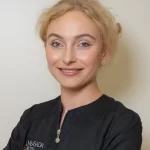
Fractional CO₂ laser treatments have for years remained one of the most effective tools in aesthetic medicine when the goal is a real, deep improvement in skin quality and visible rejuvenation. In my practice I regard this technology as the gold standard for treating skin that requires intensive regeneration – both in the context of wrinkles and loss of firmness, as well as acne scars or uneven texture.
The mechanism of the CO₂ laser is based on the precise, controlled creation of micro-injuries in the skin that trigger an intensive remodeling process. It is through this that new collagen and elastin are stimulated – the foundations of youthful, healthy skin.
The greatest value of this technology is the systematic, cumulative improvement in skin quality. With a properly planned series of treatments, one observes noticeable smoothing of texture, reduction of fine lines, pore tightening, and improved skin tone. The skin becomes firmer, denser and visibly rejuvenated – in a natural way, without altering facial features.
However, it is worth emphasizing that this is a demanding procedure – both medically and for the patient. The regeneration process is an integral part of the therapy and attests to its effectiveness. Proper qualification, parameter selection and post-procedure skin care are crucial for the safety and quality of the outcomes.
In experienced hands, the CO₂ laser can achieve results that just a few years ago were reserved exclusively for more invasive methods. It is a conscious choice for patients who expect a noticeable improvement, not merely a subtle effect – and who value solutions based on real, biological skin regeneration.