Wilcza: +48 606 909 009
Wilanów: +48 604 502 501

Specialized pelvic floor therapy

Urogynecological physiotherapy for women is a specialized field of clinical physiotherapy focused on the diagnosis, treatment, and prevention of functional disorders within the pelvic floor, urogenital system, and structures responsible for central body stabilization. This area of medicine is based on current scientific knowledge, functional anatomy, and neurophysiology, with its effectiveness confirmed by clinical studies and recommendations from scientific societies.

In daily practice, urogynecological physiotherapy plays a crucial role in treating women's health issues such as urinary incontinence, pelvic organ prolapse, pelvic pain, sexual dysfunctions, and complications following childbirth and gynecological procedures. These are conditions that directly affect quality of life, psychophysical comfort, and professional and social activity, and they are often untreated or underestimated.

At Ambasada Urody Clinic & Spa, urogynecological physiotherapy is treated as an integral element of comprehensive women's health care. Each therapy is preceded by detailed functional diagnostics, and the treatment plan is individually tailored to the patient's needs, age, health status, and stage of life. The aim of the therapy is not only to reduce symptoms but primarily to restore proper pelvic floor function, improve body biomechanics, and achieve long-term improvement in quality of life.

WHAT IS UROGYNECOLOGICAL PHYSIOTHERAPY?

Effective urogynecological physiotherapy is based on precise functional diagnostics and an understanding of the mechanisms that led to the occurrence of symptoms. The therapy is not limited solely to working with the pelvic floor muscles but encompasses the entire musculo-fascial system, breathing patterns, body posture, and neuromuscular coordination.

Such an approach enables causal rather than merely symptomatic intervention, which is crucial for the durability of therapeutic effects.

The therapeutic process includes:

  • a detailed medical interview including childbirth history, gynecological procedures, physical activity, and lifestyle,
  • functional examination of the pelvic floor, deep muscles, body posture, and breathing patterns,
  • manual therapy of soft tissues and fascial structures,
  • individually tailored functional exercises and pelvic floor muscle re-education,
  • working on proper movement patterns and central stabilization,
  • patient education on prevention, ergonomics, and safe physical activity.

The therapy is conducted in a safe, gradual manner, tailored to the body's capabilities, with full respect for the patient's comfort and boundaries.

WHO IS UROGYNECOLOGICAL PHYSIOTHERAPY INTENDED FOR?

Pelvic floor physiotherapy is aimed at women at various stages of life, both for therapeutic and preventive purposes. It is a solution for patients who want to improve pelvic floor function, reduce discomfort, and prevent the worsening of health problems. The indications for therapy are broad and include many common, though often unspoken, issues. The most common indications are:

  • Urinary incontinence, gas, or stool leakage,
  • A feeling of heaviness, pressure, or descent in the pelvic area,
  • Prolapse or descent of pelvic organs, 
  • Pelvic, perineal, lower abdominal, or lower back pain,
  • Painful intercourse, intimate discomfort, excessive muscle tension, 
  • Pregnancy period – prevention of discomfort and preparation for childbirth,
  • Postpartum and recovery after natural childbirth or cesarean section,
  • Diastasis recti, weakened core stability,
  • Scars from cesarean sections and gynecological procedures,
  • Menopause-related discomfort.

Each patient is individually assessed, and the scope of therapy is tailored to her needs, health status, and therapeutic goals.

EFFECTS OF UROGYNECOLOGICAL PHYSIOTHERAPY

Properly conducted urogynecological physiotherapy brings measurable and long-term effects that extend beyond the intimate area itself. The therapy improves the functioning of the entire body, increasing the comfort of life and the sense of control over one's own body. The effects are the result of restoring proper functions, rather than temporarily masking symptoms. Key effects of the therapy: - Improved control over the bladder and excretory functions, - Reduction or elimination of pain in the pelvic and perineal areas, - Normalization of pelvic floor muscle tension—both in cases of weakness and excessive tension, - Improved comfort in sexual life and quality of intimate life, - Support for tissue regeneration after childbirth and surgical procedures, - Improved trunk stabilization and body posture, - Reduced risk of recurrent urogynecological problems, - Increased body awareness and a sense of security in daily functioning. The effects of the therapy grow gradually and are maintained long-term when adhering to therapeutic recommendations.

CONTRAINDICATIONS FOR UROGYNECOLOGICAL PHYSIOTHERAPY

Urogynecological physiotherapy is a safe method, but in certain situations, it requires postponement or prior medical consultation. Each patient undergoes therapeutic qualification to ensure maximum safety. In case of any doubts, the therapy is conducted in cooperation with a doctor.

Contraindications include:

  • active intimate infections and inflammations,
  • bleeding of undetermined cause,
  • recent postoperative conditions without the consent of the attending physician,
  • cancers of the pelvic organs during oncological treatment,
  • acute pain conditions requiring medical diagnostics.

RECOMMENDATIONS AND COURSE OF THERAPY

Urogynecological physiotherapy is a therapeutic process whose effectiveness depends on the regularity and cooperation of the patient with the physiotherapist. The very first visit is diagnostic-therapeutic in nature and forms the basis for further treatment.

The frequency and duration of therapy are determined individually, depending on the issue and the body's response.

Recommendations include:

  • regular visits according to the established therapeutic plan,
  • performing prescribed exercises at home,
  • adhering to recommendations regarding physical activity and ergonomics,
  • conscious work with breathing and muscle tension.

At Ambasada Urody Clinic & Spa, urogynecological physiotherapy is conducted with complete discretion, respecting the patient's privacy and based on the highest standards of clinical work. It is a conscious investment in the health, comfort, and quality of life for women.
Threatment prices

INDIBA® Elite NS - Scars, adhesions, and postoperative conditions

Advanced Radiofrequency Therapy in Skin and Deep Tissue Regeneration

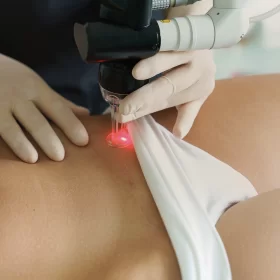
INDIBA® Elite NS treatments for scars and adhesions represent a breakthrough in non-invasive skin and subcutaneous tissue rehabilitation. The 448 kHz Proionic® technology supports natural tissue remodeling, improving their elasticity, structure, and blood circulation. This modern, painless, and highly effective method supports healing processes after surgical procedures, injuries, and cesarean section births.

INDIBA is an advanced regenerative therapy that effectively reduces fat tissue, firms the skin, and accelerates cellular metabolism. Thanks to Proionic® technology, the treatment works deeply, supporting natural processes of lipolysis, lymphatic drainage, and skin supportive fiber rebuilding.

How does INDIBA® Elite NS work on scars and adhesions?

The treatment is based on the emission of safe radiofrequency current (448 kHz), which penetrates deep into tissues, initiating repair processes:

  • improves microcirculation and tissue oxygenation
  • loosens collagen structures responsible for adhesions and contractions
  • supports fibroblast metabolism and scar remodeling
  • acts as an anti-edema agent, reducing fluid retention in interstitial spaces

INDIBA® activates cellular regeneration without disrupting the skin's integrity - thus, it can be used in the early stages of healing.

Who is the treatment recommended for?

INDIBA® Elite NS Therapy is dedicated to individuals:

  • with postoperative scars → after cesarean section, abdominal surgeries, laparoscopy, breast surgeries
  • with scars from liposuction, blepharoplasty, facelifts, and other aesthetic procedures
  • with adhesions in the abdominal cavity, pelvis, limbs, and joint areas
  • with contractions, tissue stiffness, and limited mobility after orthopedic procedures
  • with chronic postoperative and post-traumatic edemas
  • wanting to improve the aesthetic appearance of old, hardened scars (hypertrophic, keloid)

Scope of INDIBA® treatments:

  • Fresh and old scars → improvement in color, elasticity, tissue shallowing, and loosening
  • Adhesions after gynecological and laparoscopic procedures → reduction of contractures and fascial tension
  • Scars after cesarean section and abdominal surgeries → enhancement of functionality and appearance
  • After plastic surgeries and liposuction → accelerated healing, reduced swelling and pain
  • After orthopedic injuries → improvement in tissue glide and elasticity around the scar
  • After blepharoplasty, face, and body lifts → restoration of proper drainage, reduction of fibrosis

Effects of INDIBA® therapy:

  • Scar flattening and smoothing – tissue becomes softer, more elastic, and less visible
  • Reduction of adhesions – improved tissue mobility and movement comfort
  • Reduction of edemas – due to improved microcirculation and lymphatic drainage
  • Accelerated healing – shortening recovery time after surgical and aesthetic procedures
  • Tissue relaxation and nourishment – scar area regains proper structure
  • Improvement in skin aesthetics – scars become lighter, better integrated with surrounding skin
  • Reduction of complications risk – such as contractures, hardenings, pain

Treatment frequency:

The recommended number and frequency of treatments depend on the type of scar, time elapsed since the operation, and overall tissue condition:

  • fresh scars → 3 treatments per week for 2-3 weeks
  • adhesions and chronic scars → 3 treatments per week for 4-6 weeks
  • maintenance → 1 treatment every 2-4 weeks or individually

The therapy can be combined with manual scar therapy, kinesiotaping, vacuum massage, or Icoone drainage.

Why is it worth it?

INDIBA® Elite NS Therapy is a unique combination of comfort, safety, and effectiveness in treating scars and adhesions. Thanks to Proionic® technology, we act not only on the surface but deep within tissue structures - where traditional methods often do not reach. Regular sessions significantly improve skin appearance, elasticity, mobility, and overall quality of life. It is an investment in aesthetics, health, and well-being after surgeries and aesthetic treatments.

1 treatment
250 PLN
6 treatments
1 500 PLN 1 350 PLN
10 treatments
2 500 PLN 2 000 PLN
Wilanów: +48 22 253 23 23
Manual therapy for a cesarean section scar

Specialized Physical Therapy for C-Section Scar, Improving Tissue Flexibility, Pelvic Comfort, and Pelvic Floor Muscle Function

A C-section scar is not just an aesthetic issue but primarily a structural and functional one. Improper healing can disrupt the function of the pelvic floor muscles, fascia, abdominal muscles, and internal organs, leading to pain, tension, and dysfunction throughout the body.

Manual therapy for a C-section scar is an advanced form of urogynecological physical therapy aimed at restoring proper tissue mobility, improving sensation in the lower abdomen, and normalizing tension in the pelvis and torso. The treatment is conducted individually, with full respect for the comfort and boundaries of the patient.

How does C-section scar therapy work?

The therapeutic process is based on precise work with both superficial and deep tissues to remove restrictions resulting from surgical intervention.

  • Scar and surrounding tissue mobilization – restoring the mobility of the skin, subcutaneous tissue, and fascia, which reduces the feeling of "pulling" and stiffness.
  • Work with the abdominal and pelvic fascia – normalizing tensions affecting posture, torso stabilization, and deep muscle function.
  • Regulating pelvic floor muscle tension – improving their coordination, strength, and ability to properly relax.
  • Stimulation of tissue sensation and blood circulation – enhancing nourishment, regeneration, and the quality of the scar.
  • Integration of the scar with the entire movement system – preventing compensations in the spine, hips, and pelvic girdle.

Thanks to therapy, the scar ceases to be a "barrier" in the body and starts functioning as an elastic part of the fascial system.

Who is C-section scar therapy recommended for?

Manual therapy for a C-section scar is recommended for women who want to care not only for their appearance but primarily for their health and comfort of functioning.

  • After a C-section – both shortly after childbirth (once healing is complete) and many years later.
  • With a feeling of pulling, numbness, or pain around the scar and lower abdomen.
  • With reduced sensation in the lower abdomen.
  • With lower back, pelvic, or hip pain without a clear cause.
  • With pelvic floor muscle issues – incontinence, a feeling of heaviness, discomfort during intercourse.
  • After complicated births, adhesions, or improper wound healing.

It is a therapy particularly recommended for women who want to return to physical activity safely and consciously.

Effects of C-section scar therapy

The effects of the therapy are both noticeable and visible, and their range depends on the state of the scar and the regularity of therapeutic work.

  • Increased elasticity and softness of the scar – the scar becomes less noticeable, more resilient, and "integrated" with the surrounding tissues.
  • Reduction of pain and discomfort – alleviation of symptoms in the abdomen, pelvis, and lower back.
  • Improved sensation in the lower abdomen – restoration of sensory connections and better muscle control.
  • Better pelvic floor muscle function – improved stabilization, control, and comfort in daily functioning.
  • Improved posture and movement patterns – reduced compensatory tensions throughout the body.
  • Improved quality of intimate life – reduced pain, tension, and discomfort.

The effects increase gradually and solidify with the continuation of therapy and home recommendations.

Frequency of treatments

The therapy plan is always established individually after assessing the scar and pelvic floor muscle function.

  • Typically, a series of 3–6 treatments is recommended every 1–2 weeks.
  • In cases of long-standing adhesions or severe symptoms, therapy may be extended.
  • Exercises and self-therapy of the scar for home practice are complementary.

Regularity is crucial for the durability of effects and proper tissue adaptation.

Why choose C-section scar therapy at Ambasada Urody Clinic & Spa?

Manual therapy for a C-section scar at our clinic is conducted by qualified urogynecological physiotherapists working based on current medical and clinical knowledge. Each patient is provided with an individual therapy plan, with full respect for privacy and comfort.

It is a conscious investment in health, fitness, and quality of life – not only after childbirth but for many years to come.

1st visit (diagnostics + therapy)
300 PLN
next visit (therapy)
240 PLN
Wilanów: +48 22 253 23 23
Manual therapy of the perineal scar

Specialized Physiotherapy for Perineal Scar Postpartum, Focused on Restoring Proper Pelvic Floor Muscle Function, Intimate Comfort, and Pain Elimination

A scar in the perineal area—after a cut or tear during childbirth—is one of the most frequently overlooked causes of chronic ailments in women postpartum. Even a properly healed scar can disrupt the function of pelvic floor muscles, leading to pain, hypersensitivity, or loss of sensation, and can negatively affect the quality of intimate life.

Manual therapy for the perineal scar is a specialized urogynaecological physiotherapy procedure aimed at restoring tissue elasticity, normalizing muscle tensions, and improving the function of structures responsible for urinary continence, pelvic stability, and comfortable intercourse.

How does perineal scar therapy work?

The therapy is based on precise, manual work with the perineal and pelvic floor tissues, tailored to the individual needs of the patient.

  • Mobilization of the perineal scar – improving tissue mobility, reducing adhesions and stiffness.
  • Normalization of pelvic floor muscle tension – restoring the ability for proper contraction and relaxation.
  • Work with superficial and deep tissues – reducing hypersensitivity, burning, and pain.
  • Improvement of blood circulation and innervation – supporting regeneration and sensation recovery in the intimate area.
  • Integration of the scar with the entire pelvic myofascial system – preventing secondary overloads and compensations.

The goal of the therapy is to restore the physiological function of tissues, not just the local "relaxation" of the scar.

Who is perineal scar therapy recommended for?

Manual therapy for the perineal scar is recommended for women at various postpartum stages, regardless of the scar's age.

  • After an episiotomy.
  • After a perineal tear – even if it occurred years ago.
  • With pain, burning, or a pulling sensation in the intimate area.
  • With discomfort or pain during intercourse.
  • With sensory disturbances in the perineal area.
  • With pelvic floor muscle problems – urinary incontinence, a feeling of heaviness, difficulty in muscle activation.
  • After complicated childbirths or with improper wound healing.

This therapy is particularly important for women who want to regain full functional comfort after childbirth.

Therapy Effects

The effects of the therapy are functional and qualitative, and their intensity depends on the scar's condition and the regularity of the treatments.

  • Increased elasticity and softness of the scar – the scar becomes less noticeable and more "neutral" in daily functioning.
  • Reduction of pain and hypersensitivity – decreased burning, stinging, and pulling sensations.
  • Improved sensation in the perineal area – restoration of body control and awareness.
  • Better pelvic floor muscle function – improved stabilization, control, and comfort.
  • Improved quality of intimate life – reduced pain and tension during intercourse.
  • Reduced risk of secondary urogynaecological problems – such as urinary incontinence or organ prolapse.

The effects are gradually noticeable and consolidate with continued therapy.

Treatment Frequency

The therapy plan is individually determined after a detailed assessment of the scar and pelvic floor function.

  • Usually, a series of 3–6 treatments every 1–2 weeks is recommended.
  • In cases of severe symptoms or long-standing scars, the therapy may be extended.
  • An integral part involves recommendations for self-therapy and home exercises.

Consistency is key to the durability of the effects.

Why choose therapy at Ambasada Urody Clinic & Spa?

Manual therapy for the perineal scar at Ambasada Urody Clinic & Spa is conducted by experienced urogynaecological physiotherapists, working in accordance with current clinical knowledge. Each therapy is preceded by individual diagnostics, and the course of the visit is conducted with full respect for the patient's privacy and comfort.

This is a conscious, medical form of support for women postpartum—focused on real improvement in quality of life, not merely temporary symptom relief.

1st visit (diagnostics + therapy)
300 PLN
next visit (therapy)
240 PLN
Wilanów: +48 22 253 23 23
Urogynecological consultation and diagnosis

Specialized assessment of pelvic floor muscle function and comprehensive analysis of the causes of intimate and pelvic complaints

Urogynecological consultation and diagnostics are the first and most crucial steps in the effective treatment of pelvic floor disorders. This is not a "regular check-up" but a precise functional analysis of the entire musculoskeletal system that helps understand the mechanism of the problem—not just its symptoms.

At Ambasad Urody in Warsaw, we emphasize medical reliability, discretion, and an individualized approach. Each consultation is conducted calmly, orderly, and based on clinical facts, so that the patient thoroughly understands what is happening in her body and what the real possibilities for therapy are.

At the end of the visit, the patient receives a clear plan of action—without misunderstandings, without generalities, without unnecessary promises.

How does the consultation and diagnostics proceed?

Urogynecological diagnostics are not limited to conversation alone. It is a comprehensive functional assessment that includes several key stages:

  • Detailed medical interview

→ past pregnancies and births (natural, cesarean section)
→ surgeries in the abdominal and pelvic area
→ pain complaints, problems with urinary or fecal incontinence
→ pain during intercourse
→ lifestyle, physical activity, occupational burdens

  • Posture and movement pattern assessment

→ pelvic alignment
→ tensions in the lumbar spine
→ compensations in the hips and abdomen

  • Functional examination of the pelvic floor muscles (if the patient consents)

→ strength, endurance, and coordination assessment
→ checking if muscles are weakened, excessively tense, or inefficient
→ evaluation of muscle response to coughing, tension, position changes

  • Scar assessment (after cesarean section, episiotomy, surgical procedures)

→ tissue mobility
→ presence of adhesions
→ impact of scar on pelvic floor function

  • Breathing function and diaphragm work analysis

→ diaphragm cooperation with the pelvic floor
→ impact of breathing pattern on intra-abdominal pressure

Each of these elements matters. Many intimate problems do not arise solely from "weakened muscles" but from disturbed coordination, chronic tension, or improper functioning of the entire stabilization system.

Based on this analysis, an individual therapy plan is created.

Who is the consultation intended for?

Urogynecological consultation is recommended for women at any stage of life, especially in cases of:

  • urinary incontinence (stress, urge, mixed)
  • prolapse of reproductive organs
  • feeling of heaviness in the pelvic area
  • painful intercourse
  • chronic pelvic pain
  • pelvic floor muscle tension
  • problems after childbirth
  • complaints after cesarean section
  • pain in the pubic symphysis area
  • planning pregnancy or returning to physical activity

It is also a good time for prevention—especially after childbirth or before starting intensive training.

Ignoring initial symptoms usually leads to their worsening. Early diagnosis allows avoiding invasive procedures in the future.

Effects of consultation and diagnostics

Even after the first visit, the patient receives concrete information and a real sense of control over the situation:

  • Clear functional diagnosis – understanding the cause of the problem, not just its symptom
  • Individual therapy plan – tailored to lifestyle, age, and expectations
  • Reduced anxiety and uncertainty – knowledge organizes the situation and provides a sense of safety
  • Initial therapeutic techniques – if necessary, the introduction of the first exercises or manual techniques
  • Education about daily habits – breathing, physical activity, proper muscle tension
  • Awareness of one's own body's work – the patient learns to recognize tension and control pelvic floor muscles

This stage often changes the way of thinking about the problem. Instead of shame and avoidance, a concrete action strategy emerges.

Frequency and further action plan

The consultation is a one-time visit, but depending on the diagnosis, there may be a proposal for:

  • manual therapy cycle
  • functional pelvic floor muscle training
  • scar therapy
  • tension therapy
  • support with modern technologies (e.g., medical radiofrequency in specific indications)

The therapy plan is always staged—with a clearly defined goal.

Why start with professional diagnostics?

In urogynecology, random exercises from the internet rarely solve the problem. In some situations, they can even exacerbate it—especially when muscles are overly tense, not weakened. Reliable diagnostics allow for precise action. It saves time, money, and—most importantly—health.

At Ambasad Urody Warsaw, urogynecological consultation is conducted by a qualified physiotherapist specializing in women's therapy. We ensure complete discretion, comfort, and a medical approach based on current knowledge and clinical experience.

If you notice worrying symptoms—do not postpone the decision. In the case of the pelvic floor, time really matters.

consultation
200 PLN
Wilanów: +48 22 253 23 23
Physical therapy for pregnant women

Specialized therapy supporting a woman's body during pregnancy, aimed at reducing pain, improving pelvic floor muscle function, and preparing the body for childbirth and the postpartum period.

A specialized form of therapy focused on the real needs of the body during periods of intense biomechanical, hormonal, and postural changes. Its goal is not "light movement for relaxation," but concrete support for the musculoskeletal system, pelvic floor, and nervous system, so that pregnancy is as comfortable as possible and the body is prepared for childbirth and the postpartum period. The therapy is conducted safely, individually, and always adjusted to the trimester of pregnancy and the patient's current health status.

How does physiotherapy work during pregnancy?

Every pregnancy changes the body's biomechanics—the center of gravity shifts, the load on the spine and pelvis increases, and hormones affect joint stability. Physiotherapy addresses these processes in a precise and therapeutic manner.

  • Posture, breathing, and movement pattern assessment → allows for identifying sources of pain, overloads, and compensations before they become entrenched
  • Manual therapy of soft tissues and joints → reduces tension in the spine, pelvis, and diaphragm, improving movement and sleep comfort
  • Work with pelvic floor muscles → teaches proper activation and relaxation, crucial for childbirth and incontinence prevention
  • Functional exercises adapted to the trimester → strengthen stabilizing muscles, improve balance, and prepare the body for changing loads
  • Learning daily ergonomics → protects the spine and pelvis during sitting, rising, sleeping, and daily activities

The entire therapy is based on current knowledge in urogynecological and perinatal physiotherapy, without using techniques contraindicated during pregnancy.

Who is pregnancy physiotherapy recommended for?

Both women with pain complaints and patients who want to consciously prepare their body for childbirth benefit from physiotherapy. The indications are much broader than commonly believed.

  • lumbar, thoracic, and cervical spine pain
  • pubic symphysis, pelvis, or hip pain
  • muscle tension, "pulling" sensation in the lower back or groin
  • swelling of the lower limbs and feeling of heavy legs
  • difficulty breathing, diaphragm tension
  • preparing pelvic floor muscles for childbirth
  • prevention of incontinence and organ prolapse postpartum

The therapy is suitable both in the first pregnancy and in subsequent ones—even for women after previous natural births or cesarean sections.

Effects of physiotherapy during pregnancy

Regularly conducted physiotherapy brings tangible, noticeable results that translate into daily functioning and the course of childbirth.

  • Reduction of back and pelvic pain – improved mobility and reduced tension allow normal functioning without constant discomfort
  • Better body stabilization – strengthening deep muscles improves balance and reduces the risk of overloads
  • Improved sleep quality – reduction of tension and learning ergonomic positions facilitate rest
  • Conscious work with the pelvic floor – greater control over muscles crucial during childbirth and the postpartum period
  • Better preparation for childbirth – the body works more efficiently, and the patient understands signals from the body
  • Reduced risk of postpartum ailments – easier recovery postpartum

The effects are both therapeutic and preventive, which is crucial in perinatal care.

Frequency of treatments and therapy plan

The physiotherapy plan is always determined individually, based on the trimester of pregnancy, reported complaints, and overall health status.

  • typically 1 session weekly or every 10–14 days
  • in case of severe pain, increased frequency may be possible at the start of therapy
  • in the third trimester, the focus is on childbirth preparation and breathing work

Regularity is important—physiotherapy during pregnancy is a process, not a one-time intervention.

Why choose pregnancy physiotherapy at the Beauty Embassy?

At the Beauty Embassy, pregnancy physiotherapy is conducted by specialists working with women at various perinatal stages. The therapy is not based on schemes but on real functional diagnostics and safe techniques confirmed by clinical practice.

This approach treats the pregnant woman's body with the respect it deserves—without downplaying ailments and without promises of "miraculous solutions." The goal is comfort, safety, and preparation for the next stage, which is childbirth and the postpartum period, in a conscious and responsible manner.

Therapeutic visit
200 PLN
Therapeutic visit
300 PLN
Wilanów: +48 22 253 23 23
Pelvic floor manual therapy

Specialized physiotherapy focused on restoring the normal function of the pelvic floor muscles – both in cases of their weakening and excessive tension – with an emphasis on the prevention and treatment of urogynecological ailments.

Pelvic floor therapy involves precise work with one of the most important, yet often neglected, areas of the body. The proper function of the pelvic floor muscles determines the quality of life, physiological control, postural stability, and intimate health. At Ambasada Urody Clinic & Spa, therapy is conducted based on functional diagnostics, current clinical knowledge, and individually tailored therapeutic techniques.

How does pelvic floor therapy work?

The effectiveness of the therapy is based on a precise assessment and conscious work with the musculoskeletal and nervous systems. It is not "blind exercise," but targeted actions on the actual cause of the problem.

  • Functional diagnostics of the pelvic floor muscles → assessment of strength, flexibility, coordination, and the ability to relax and activate the muscles.
  • Normalization of muscle tension → reduction of excessive tension or strengthening of weakened muscles, depending on the diagnosis.
  • Manual and fascial therapy → working with deep tissues, scars, and adjacent structures (pelvis, hips, lumbar spine).
  • Neuromuscular re-education → learning the correct activation of the pelvic floor muscles in daily activities.
  • Functional exercises and breathing → integration of the pelvic floor with the diaphragm and deep trunk muscles.

The entire therapy is conducted safely, respecting the boundaries and comfort of the patient, in conditions of full discretion.

Who is the therapy recommended for?

Pelvic floor therapy is applicable both in treatment and prevention. It is recommended for women at various stages of life.

  • for weakened pelvic floor muscles,
  • for excessive tension and pain in the pelvic area,
  • in cases of urinary, gas, or stool incontinence,
  • for feelings of heaviness, "pulling," or discomfort in the lower abdomen,
  • after natural childbirth or cesarean section,
  • for painful menstruation or painful intercourse,
  • in the prevention of pelvic organ prolapse,
  • for physically active and sporty women as a preventive measure against strain.

This therapy is for women who want to genuinely improve the functioning of their bodies, not just mask symptoms.

Effects of therapy

The results of the therapy are both noticeable and functional – they directly translate into everyday life comfort.

  • improved control of pelvic floor muscles – a greater sense of stability and safety in everyday situations,
  • reduction of pain in the pelvic and lower abdominal area – through normalization of tissue tension,
  • decrease or cessation of urinary incontinence symptoms – as a result of working on muscle strength and coordination,
  • improvement in intimate life comfort – better blood circulation and tissue elasticity,
  • improvement in posture and central stabilization – the pelvic floor as the foundation of the entire muscle system.

The effects build up gradually and consolidate with the continuation of therapy and the implementation of home recommendations.

Frequency of treatments

The therapy plan is individually determined, based on diagnosis and therapeutic goals.

  • most often 1 visit per week at the beginning of therapy,
  • then gradually lengthening breaks as function improves,
  • short-term or long-term therapy – depending on the problem and stage of the patient's life.

Regularity and conscious work between visits are crucial for the durability of the effects.

Why choose pelvic floor therapy at Ambasada Urody Clinic & Spa?

This is not standard physiotherapy, but specialized care based on knowledge, experience, and a real understanding of the female body. We work on causes, not symptoms, caring for the long-term health and comfort of patients. If you are looking for therapy conducted reliably, with respect for intimacy and high clinical standards – you are in the right place.

consultation
200 PLN
consultation + therapy
240 PLN
Wilanów: +48 22 253 23 23
Physical therapy after childbirth

Comprehensive Postpartum Recovery after Natural Birth and Cesarean Section – with Functional Assessment of the Entire Body

The postpartum period is a time of intense changes in a woman's body – both at the level of muscles, fascia, and the nervous system. Postpartum physiotherapy at Ambasada Urody Warsaw is a conscious, medical process of restoring the proper functions of the body after natural birth and cesarean section, based on reliable diagnostics and individually tailored therapy.

This is not “post-pregnancy abdominal exercise,” but comprehensive work with the entire body aimed at a real improvement in comfort, fitness, and quality of life.

How does postpartum physiotherapy work?

The basis of effective postpartum therapy is understanding that childbirth affects the entire body, not just the pelvic area. Therefore, the therapy begins with a thorough functional assessment, followed by precise interventions on the tissues and systems that have been overloaded or disrupted.

  • Functional assessment of the entire body

→ analysis of posture, breathing, pelvis, spine, and rib alignment

→ examination of the tension of pelvic floor muscles and abdominal muscles (including the linea alba)

→ evaluation of scar mobility following a cesarean section or episiotomy

→ identification of pain compensations and movement pattern disorders

  • Manual and fascial therapy

→ normalization of tension in the pelvis, abdomen, diaphragm, and spine

→ improvement of tissue glide and blood circulation

→ reduction of pain and the feeling of a "scattered" body

  • Pelvic floor muscle therapy

→ restoration of proper contraction and relaxation function

→ learning muscle control in daily activities

→ preventing further overloads and recurrence of symptoms

  • Breathing and movement re-education

→ rebuilding proper diaphragm function

→ synchronization of breathing with movement and muscle tension

→ gradual return to safe physical activity

The entire process is conducted in a medical, calm manner, tailored to the current capabilities of the postpartum body, without forcing and random exercises.

Who is postpartum physiotherapy recommended for?

Postpartum physiotherapy is advisable not only when there is pain or a problem but also prophylactically – to prevent consequences that often reveal themselves months or years after childbirth.

  • for women after natural birth experiencing weakness, pain, or discomfort in the pelvic area
  • for patients after a cesarean section with a scar affecting posture, movement, and breathing
  • in cases of urinary, gas incontinence or a feeling of lack of muscle control
  • in the case of diastasis recti
  • for back, hip, pubic symphysis, or pelvic pain
  • for a feeling of heaviness, descent, or "pulling" in the lower abdomen
  • for women returning to physical activity or sports after childbirth
  • for patients who want to rebuild their fitness safely and sustainably

It is a solution for women who do not want to ignore the signals sent by the body and are looking for real, not superficial, improvement.

Effects of postpartum physiotherapy

The effects of the therapy build up gradually but are noticeable both in everyday functioning, as well as in the quality of movement and well-being.

  • improved pelvic floor muscle control – reduced risk of urinary incontinence, greater sense of stability and security in movement
  • reduction of back and pelvic pain – the body stops compensating with tension and overloads
  • improved abdominal muscle function – better support for the spine and internal organs
  • increased elasticity and mobility of the cesarean section scar – less pulling, numbness, and stiffness
  • better posture and breathing – more energy, less fatigue during the day
  • safe return to physical activity – without the risk of worsening problems
  • greater awareness of one's body – the patient knows how to protect herself against relapses of ailments

These are effects that translate into real quality of life, not just a short-term “feeling of relief.”

Frequency of treatments – therapy plan

The therapy plan is always set individually based on functional assessment and the current stage of the body's recovery.

  • first visit: detailed diagnostics and initiation of therapy
  • recommended frequency: once a week or every 10–14 days
  • average number of visits: 4–8 sessions depending on the problem and therapy goal
  • home exercises and recommendations: tailored to the patient's lifestyle and capabilities

This approach allows for lasting effects without overloading the body.

Why choose postpartum physiotherapy at Ambasada Urody Warsaw

At Ambasada Urody Warsaw, postpartum physiotherapy is conducted by experienced urogynecological physiotherapists who understand the specifics of a woman’s body after pregnancy and childbirth. We work based on clinical knowledge, precise diagnostics, and an individual therapy plan, without schemes and random exercises.

This is a proposal for women who want to regain their fitness consciously, without pressure and without ignoring the signals sent by their own body.

consultation
200 PLN
consultation with therapy
240 PLN
therapeutic visit
300 PLN
Wilanów: +48 22 253 23 23
Pelvic floor functional training (muscle reeducation)

Conscious work with deep muscles as the foundation of intimate health, core stability, and comfort in daily functioning.

Functional pelvic floor training is a specialized form of therapy aimed at restoring the proper function of the deep pelvic muscles and their cooperation with the diaphragm, transverse abdominal muscle, and spine stabilizing muscles. At the Embassy of Beauty in Warsaw, we conduct muscle reeducation based on modern functional diagnostics, an individual therapy plan, and safe, progressive tissue loading. It is a precise work on movement quality, tension control, and integration of the entire central stabilization system.

How does functional pelvic floor training work?

To achieve lasting results, it is necessary to understand what is really happening in the tissues and the neuromuscular system.

  • Assessment of pelvic floor muscle function → analysis of strength, endurance, coordination, and ability to properly relax
  • Reeducation of neuromuscular connections → restoring the correct activation pattern through conscious work with breath and movement
  • Tension normalization → reduction of excessive tension or activation of weakened muscles
  • Integration with the diaphragm and transverse abdominal muscle → rebuilding stabilization synergy
  • Learning intra-abdominal pressure control → crucial in the prevention of urinary incontinence and organ prolapse
  • Gradual load progression → introducing functional exercises corresponding to real daily activities

The result is not only improved muscle strength but above all, the restoration of their proper function.

Who is functional pelvic floor training recommended for?

This therapy is dedicated to women at various stages of life – both preventively and in case of specific ailments.

  • Urinary incontinence (stress, mixed)
  • Organ prolapse
  • Painful intercourse
  • Sensation of heaviness in the pelvis
  • Post-natural birth and cesarean section period
  • Scars after C-section and episiotomy
  • Chronic pelvic pain
  • Rectus abdominis diastasis
  • Preparation for pregnancy and childbirth
  • Physically active women – as overload prevention

It's worth noting: the absence of symptoms does not mean proper function. We often work with patients who want to act proactively before a problem arises.

Effects of functional pelvic floor training

The therapy results are both noticeable and visible in daily functioning.

  • Better bladder control – reduction of urine leakage episodes during coughing, laughing, or exertion
  • Reduced sensation of heaviness in the lower abdomen – improved pelvic organ support
  • Improved intercourse comfort – reduced pain and increased body awareness
  • More stable "core" – better posture and reduced spine pain
  • Reduced tension in the pelvic area – decreased chronic discomfort
  • Better breath control and abdominal work – proper intra-abdominal pressure regulation
  • Greater sense of control over one's body – regaining agency and confidence

For many women, this is a breakthrough moment – when the body starts to cooperate instead of sabotaging daily activities.

What does the therapy plan look like?

  • Effectiveness depends on regularity and an individual approach.
  • First visit → detailed interview, functional diagnostics, setting therapy goals
  • Individual therapy → usually 4–8 sessions depending on the problem
  • Home exercises → an essential element to consolidate effects
  • Progress monitoring → plan modification depending on the body's response

In the case of mild disorders, improvement may be felt already after a few weeks. For more advanced problems, the therapy requires longer work – but provides lasting, stable effects.

Why start pelvic floor muscle reeducation at the Embassy of Beauty Warsaw?

Because we work functionally, not schematically.

  • Therapy based on reliable diagnostics, not guesses
  • Individual work plan tailored to the patient's lifestyle
  • Discretion, safety, and full comfort during visits
  • Integration of manual therapy, breathing work, and functional exercises
  • Long-term approach – we don't mask symptoms, we restore function

Pelvic floor muscles don't need to be "tightened for the sake of it." They need proper activation, flexibility, and cooperation with the whole body. And this cannot be achieved by chance. If symptoms have appeared – it's a signal to act. If there are none – it's the best time for prevention.

Perimenopausal physiotherapy

Specialized Pelvic Floor and Whole Body Therapy during Menopause – Prevention and Treatment of Intimate and Pain-related Issues

The perimenopausal period is a time of profound hormonal changes that affect the entire female body – not only the menstrual cycle but also the quality of tissues, muscle strength, pelvic stabilization, and intimate life comfort. The decline in estrogen levels leads to a decrease in vaginal elasticity, weakening of the supportive structures of reproductive organs, reduction in muscle mass, and deterioration in bladder control.

Perimenopausal physiotherapy is a medically oriented therapy aimed at restoring musculoskeletal balance, improving pelvic floor function, and protecting against progressive disorders of reproductive organ statics. It is a conscious preventive and therapeutic action – based on functional diagnostics and working with the body in a precise and safe manner.

How does perimenopausal physiotherapy work?

Hormonal changes affect collagen, fascia, and muscle tension. The therapy directly influences the structures that weaken during this period.

The following processes occur in the tissues:

  • normalization of pelvic floor muscle tension
    → reduction of both weakness and excessive tension
    → improvement of micturition control and stabilization of reproductive organs
  • improvement of trophism and blood supply to intimate tissues
    → better nourishment of estrogen-dependent structures
    → increased elasticity and mechanical resistance
  • activation of deep muscles (core)
    → strengthening the cooperation of the diaphragm, transverse abdominal muscle, and pelvic floor
    → improvement of lumbar-pelvic stabilization
  • working with fascia and ligaments supporting reproductive organs
    → reduction of heaviness feeling in the lower abdomen
    → limitation of organ prolapse progression
  • improvement of pelvic and spine biomechanics
    → reduction of lower back pain
    → improvement of posture and comfort in daily functioning

In selected indications, therapy may be supported by regenerative technologies (e.g., medical radiofrequency), which stimulate fibroblasts and improve the quality of collagen fibers. It is a therapy of functions – not just symptoms.

Who is the treatment recommended for?

Perimenopausal physiotherapy is recommended for women aged 45+ and all patients in the pre- and post-menopausal period who notice the first signs of changes in the pelvic area.

Particularly in the case of:

  • stress or urge urinary incontinence
  • feeling of organ prolapse
  • vaginal dryness and discomfort during intercourse
  • pelvic or lumbar spine pain
  • weakness of abdominal and pelvic floor muscles
  • reduction in sexual life quality
  • progression prevention of reproductive organ prolapse
  • loss of strength and central stability

It is also a preventive solution for women who wish to maintain fitness and quality of life at a high level for the coming decades.

Effects of the treatment

The effects of therapy are gradual but functionally noticeable and measurable. The most important results include:

  • improved bladder control – reduced episodes of urinary leakage, greater freedom during coughing, laughter, or physical activity
  • increased elasticity of intimate tissues – improved comfort during intercourse and reduction of dryness feeling
  • stabilization of pelvic organs – reduction of heaviness feeling in the lower abdomen
  • strengthening of deep muscles – better posture and less spinal overload
  • reduction of lumbar pain – resulting from improved central stabilization
  • improvement of body awareness – greater control over tension and relaxation of pelvic floor muscles
  • increased self-confidence – associated with regaining control over intimate functions

This is a real improvement in life quality, not a temporary solution to the problem.

Frequency of treatments

The therapy plan is determined individually after a detailed consultation and functional diagnostics.

Most often recommended:

  • a series of 4–8 visits every 1–2 weeks
  • then control visits every 2–3 months
  • in prevention – single maintenance treatments several times a year

In the case of technology-supported therapy – the plan may be extended according to clinical indications.

Why choose perimenopausal physiotherapy at the Beauty Embassy?

Menopause is not a disease – but a lack of response to changes can lead to serious functional consequences. Appropriately early-implemented therapy allows for reducing the risk of surgery in the future and significantly improving the quality of life.

At the Beauty Embassy in Warsaw, we work based on medical functional diagnostics, modern technologies supporting regeneration, and an individual therapy plan. We ensure complete discretion, safety, and a realistic clinical approach.

This is an investment in fitness, stability, and women's quality of life for the next 20–30 years.

consultation
200 PLN
consultation with therapy
240 PLN
therapeutic visit
300 PLN
Wilanów: +48 22 253 23 23
INDIBA® ELITE NS – regenerative therapy for intimate tissues

Non-invasive regeneration and reconstruction of intimate tissues – medical biostimulation at 448 kHz with INDIBA® ELITE NS technology

INDIBA® ELITE NS is an advanced regenerative therapy used in urogynecological physiotherapy, based on a patented frequency of 448 kHz. The procedure works at the cellular level, stimulating the body's natural repair processes, improving blood circulation, elasticity, and quality of the tissues in the intimate areas – without surgical intervention and without recovery period.

In urogynecology, the key is restoring function, not just temporary improvement of sensations. The therapy aims to restore proper elasticity, tension, and regenerative capacity of tissues. INDIBA® ELITE NS normalizes the bioelectric potential of cells, stimulates fibroblasts to produce collagen, and supports the remodeling of the extracellular matrix. This helps tissues regain elasticity, better blood circulation, and increased resistance to overload.

The therapy supports the treatment of pain, dryness, pelvic organ prolapse, urinary incontinence, or postpartum discomfort. At Ambasad Urody, we work on the latest INDIBA® ELITE NS platform, which means greater precision of parameters, stability of energy emission, and full control over the depth of action – particularly important in such a delicate area as intimate tissues.

The procedure is performed by a urogynecological physiotherapist, based on detailed functional diagnostics and individually planned therapy. It is medical regeneration aimed at real improvement of function and quality of life.

How INDIBA® ELITE NS works – the regeneration mechanism at the cellular level

The technology is based on a patented frequency of 448 kHz, which restores the bioelectric balance of cells. The ELITE NS model allows for even more precise control of power and depth of action.

During the procedure:

  • cellular metabolism is activated – cells regenerate faster and repair damaged structures
  • microcirculation and drainage improve – tissues receive better oxygenation and nutrition
  • fibroblasts are stimulated – production of type I and III collagen and elastin increases
  • the elasticity of the vaginal walls and perineal tissues increases
  • inflammations and micro-lesions are reduced
  • the tension of the pelvic floor muscles is normalized (both in hypotonia and excessive tension)
  • nerve conduction improves, affecting the quality of stimulus perception

The ELITE NS model ensures more stable energy emission, greater work ergonomics, and better temperature control, which is crucial in intimate tissue therapy. This is the difference between "radiofrequency" and medical regenerative therapy.

The effect? The tissues are not just heated – they are biologically regenerated.

Who is the INDIBA® therapy in the intimate area intended for?

The therapy is recommended for women of all ages, especially in situations where tissue quality has weakened.

Indications include:

  • painful intercourse (dyspareunia)
  • vaginal dryness and discomfort
  • stress urinary incontinence
  • prolapse of pelvic organs in the early stages
  • weakness of the pelvic floor muscles
  • chronic pelvic pain
  • scars after cesarean section and perineal incision
  • peri-menopausal and post-menopausal period
  • recovery after gynecological procedures

INDIBA® ELITE NS is also an excellent support for manual therapy and pelvic floor training – especially when tissues are inelastic, painful, or poorly responsive to classic physiotherapy techniques.

Therapy effects – real improvement of function and quality of life

In urogynecology, the effect must be functionally measurable. The patient should feel the difference – in comfort, control, and quality of life.

  • Reduction of pain during intercourse – improved elasticity and mucous membrane regeneration reduce tension and micro-lesions
  • Improvement of tissue hydration and trophic – increased blood flow and cell activation restore mucous membrane elasticity and resistance
  • Strengthening of supporting structures – collagen stimulation improves vaginal wall tension and pelvic organ support
  • Reduction of urinary incontinence symptoms – improved quality of periurethral tissues and pelvic floor muscle function enhances control
  • Reduction of the feeling of "heaviness" in the pelvis area – improved circulation and tension of support structures
  • Accelerated healing and scar elasticity – therapy reduces adhesions and tenderness in the perineal area and after cesarean section
  • Improved sensation and sexual experience quality – due to nerve regeneration and improved blood circulation
  • Improvement of vaginal mucous membrane trophic and quality – increased blood flow and fibroblast activation support epithelial regeneration, leading to better hydration and greater elasticity

  • Increased elasticity and tension of vaginal walls – collagen stimulation improves the supportive structure of tissues

  • Improvement of labia skin elasticity and quality – thanks to collagen regeneration and improved microcirculation, tissues become more elastic and less prone to irritation

  • Support for regenerative processes defined as functional revitalization of intimate tissues – biological reconstruction, not superficial effect

The effects accumulate during the series, as collagen remodeling and tissue regeneration is a biological process that requires time. That's why the therapy is lasting, not superficial.

Frequency of procedures – individual therapy plan

The therapy plan is established after urogynecological consultation and functional assessment. We usually recommend:

  • 4–6 procedures
  • for chronic problems – 6–8 procedures
  • maintenance therapy every 1–3 months

The procedure is comfortable and does not require a recovery period. The patient can return to daily activities the same day.

Dedicated vaginal applicator – safety and hygiene of therapy

In the therapy of intimate tissues using INDIBA® ELITE NS, a specialized, dedicated vaginal applicator is used exclusively for urogynecological procedures. Its design allows for precise and controlled delivery of 448 kHz energy to the vaginal walls while maintaining full tissue safety.

For hygienic and microbiological reasons, each patient has their own individual applicator. The purchase takes place during the first procedure, and the applicator is used exclusively during her therapy. This is a medical standard that minimizes the risk of infection and ensures maximum comfort and safety.

The individual applicator also allows for repeatable and precise therapy – maintaining the same parameters and full control over the procedure throughout the series.

Why INDIBA® ELITE NS at Ambasad Urody Warsaw?

In the therapy of intimate tissues, there is no room for technological compromises or randomness. We work with the latest INDIBA® ELITE NS model, which provides greater control over parameters and allows for more precise therapy. At Ambasad Urody in Warsaw:

  • the procedure is performed by a qualified urogynecological physiotherapist
  • each patient undergoes a thorough functional assessment
  • therapy is combined with manual work and pelvic floor muscle reeducation
  • we ensure complete discretion and comfort

INDIBA® ELITE NS is a medical technology that supports the natural reconstruction of tissues and restores comfort, control, and confidence to women. And in urogynecology, that is what matters most.

INDIBA® ELITE NS - Pelvic Floor Rehabilitation

Modern, Non-Invasive 448 kHz Radiofrequency Therapy in Urogynecological Physiotherapy

Pelvic floor rehabilitation using the INDIBA® ELITE NS technology is an advanced medical therapy based on the patented 448 kHz frequency (Proionic® System). This method is used in renowned physiotherapy, sports medicine, and urogynecology clinics worldwide as effective support for treating urinary incontinence, pelvic organ prolapse, pelvic pain, and dysfunctions post-childbirth or gynecological surgeries.

This therapy does not mask symptoms – it genuinely affects tissue quality, their blood supply, cellular metabolism, and regenerative capacity. In urogynecological physiotherapy, this means addressing the root cause of the problem, not just its consequences.

In conclusion, it’s important to emphasize: INDIBA® does not replace conscious muscle work – but significantly enhances its effectiveness. In the hands of an experienced physiotherapist, it becomes a tool for precise biological therapy.

How Does Pelvic Floor Rehabilitation with INDIBA® ELITE NS Work?

The mechanism of action is based on controlled radiofrequency at 448 kHz, which affects the cellular level of tissues.

  • Stimulation of cellular metabolism – increased ATP production in muscle and fascial cells, accelerating repair processes
  • Improvement of microcirculation – better oxygenation and nourishment of pelvic floor structures
  • Inflammation reduction – modulation of the inflammatory response in chronically overloaded tissues
  • Normalization of muscle tension – effective for both weakened and overly tense muscles
  • Stimulation of fibroblasts – support for collagen production and improvement of supportive tissue elasticity
  • Acceleration of healing – particularly important in the therapy of scars after cesarean section and episiotomy
  • Pain-relieving effect – through influence on nerve conduction and reduction of swelling

In clinical practice, this means faster regeneration, better response to manual therapy, and more stable effects of pelvic floor muscle training. It is biostimulation in a pure, medical form.

Who Is This Therapy Recommended For?

We recommend INDIBA® ELITE NS for pelvic floor rehabilitation for women facing real functional problems – not aesthetic, but health-related issues.

The treatment is particularly effective for:

  • Stress or mixed urinary incontinence
  • Overactive bladder
  • Pelvic organ prolapse (Grade I–II)
  • Pelvic pain
  • Painful intercourse (dyspareunia)
  • Excessive pelvic floor muscle tension
  • Weakness of muscles post-childbirth
  • Scar therapy after cesarean section and episiotomy
  • Chronic pain in the pubic symphysis and coccyx area
  • Pelvic floor preparation for childbirth and postpartum support

This is a solution for women who want to improve their quality of life – daily comfort, physical activity, and sexual satisfaction.

Effects of INDIBA® Therapy in Pelvic Floor Rehabilitation

The effects appear gradually and result from actual tissue restructuring and regeneration.

  • Improved bladder control – reduction in episodes of urinary incontinence and urgent urges
  • Increased strength and endurance of pelvic floor muscles – due to improved muscle tissue quality and better response to training
  • Reduction of pelvic pain – noticeable decrease in tension and discomfort during sitting, intercourse, or physical activity
  • Improved scar elasticity – tissues become softer, more mobile, and less painful
  • Reduction of "heaviness" feeling in the vagina – important in the case of pelvic organ prolapse
  • Better blood supply and tissue trophism – improvement in mucosal quality and intimate comfort
  • Shortened recovery time post-childbirth or surgery
  • Increased muscle awareness – easier activation of the correct contraction pattern

These are effects that translate directly into daily comfort – not marketing claims, but real body functioning.

Treatment Frequency – Therapy Plan

Therapy is always preceded by a consultation and functional diagnosis.

A standard plan includes:

  • 2 sessions per week in a series of 6–8 meetings
  • after completing the series – maintenance treatments every 4–6 weeks (depending on the problem)
  • parallel implementation of functional pelvic floor training

In many cases, the first effects are noticeable after 2–3 sessions, but lasting improvement requires systematic work.

Individual Therapeutic Head – Safety and Hygiene

In pelvic floor rehabilitation, maintaining full hygiene and therapy individualization is a medical standard. That is why during the first visit, the patient receives her own dedicated vaginal applicator for the INDIBA® ELITE NS system.

Why do we use individual applicators?

  • Full safety and hygiene – each patient uses only her own therapeutic tip
  • Psychological comfort – no concerns related to using multi-use elements
  • Possibility of continuing therapy in series – the same applicator is used during subsequent treatments
  • Precise parameter adjustment – the therapist works with a proven, individual tool

The applicator is intended for one patient only and remains her property. This solution is used in modern rehabilitation clinics, where the safety standard is as important as therapy effectiveness.

Why Choose INDIBA® ELITE NS in Pelvic Floor Rehabilitation?

In urogynecological rehabilitation, technology matters – but only when it truly supports tissue physiology and therapist work. INDIBA® ELITE NS is an advanced medical device based on the patented 448 kHz frequency, used in renowned rehabilitation and urogynecological clinics worldwide.

In our clinic, we work with the latest generation of the INDIBA® system, meaning precise parameter control, greater biological effectiveness, and maximum therapy safety.

Why does this matter in pelvic floor rehabilitation?

  • Latest Proionic® 448 kHz technology – stable, controlled radiofrequency that works at the cellular level, supporting natural regenerative processes
  • Deep yet safe impact – possibility to work both superficially and deeply (muscles, fascia, pelvic support structures)
  • Faster tissue response to therapy – improvement in microcirculation and cellular metabolism shortens recovery time
  • Greater effectiveness of pelvic floor muscle training – tissues respond better to exercise stimuli, accelerating functional improvement
  • Support for scar and chronic condition therapy – the device allows work in areas difficult to access manually
  • Treatment comfort – the therapy is painless, often perceived as a pleasant, deep warmth

A modern device is only half the success. The other half is the experience of the urogynecological physiotherapist, who can properly adjust the parameters, combine therapy with manual work and functional training, and guide the patient consciously and safely.

Pelvic floor rehabilitation requires precision, knowledge, and responsibility. At Ambasada Urody Warszawa, we combine the latest INDIBA® ELITE NS technology with a clinical approach to therapy – so that the effects are not only noticeable but above all, lasting.