Ablative fractional lasers - the key to self-regeneration
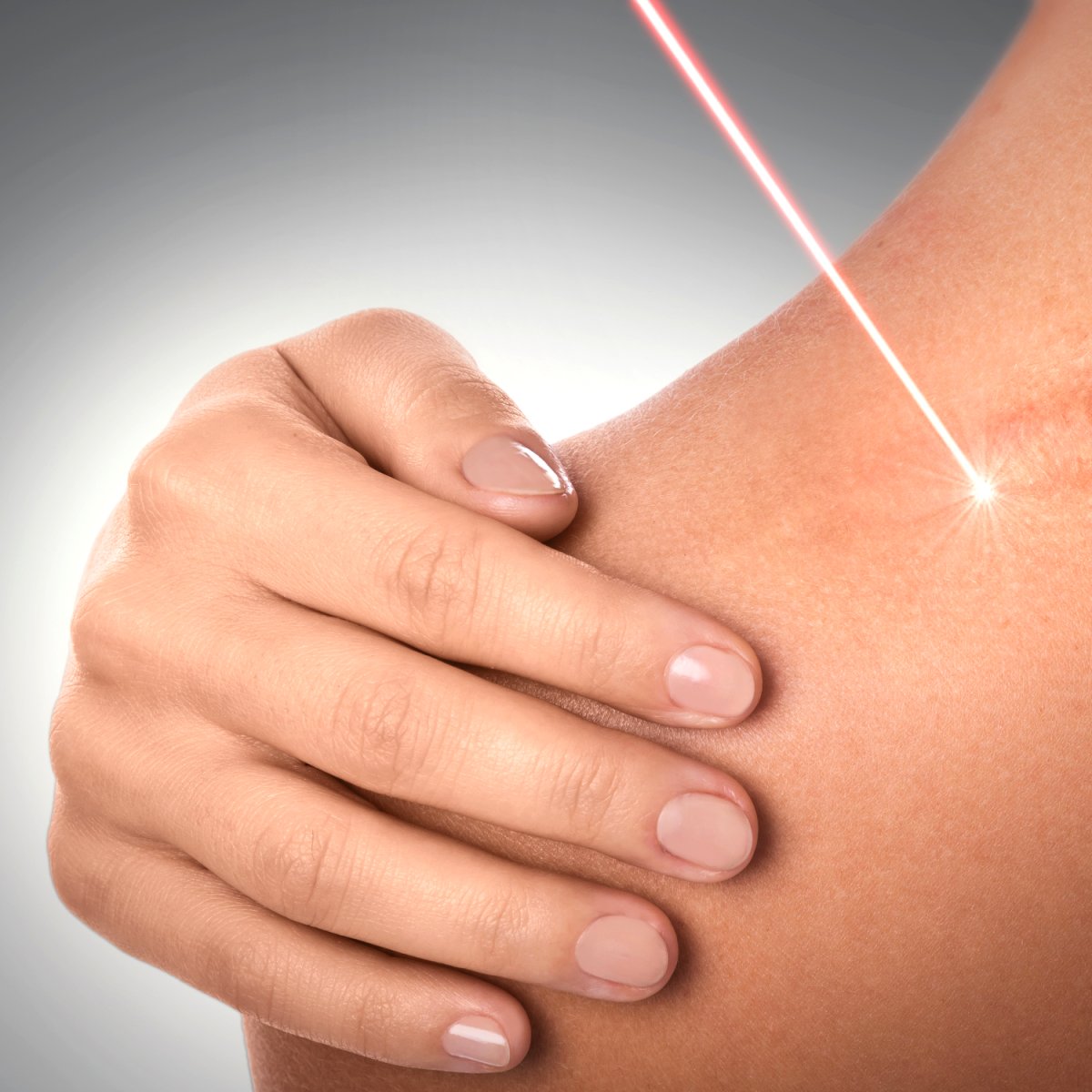
Table of contents
- Available technologies and parameters of medical devices
- Clinical indications for deep restructuring of facial and body structures.
- Medical barriers excluding the possibility of conducting therapy
- Stages of epidermal regeneration and mandatory at-home care
- Waiting time for final results and scheduling a series of meetings
- Ablative laser versus non-ablative laser — how do they differ?
- Deep skin regeneration begins with a single decision.
Ablative fractional lasers are certified medical devices whose operation is based on ablation - the rapid vaporization of tissue under the influence of a concentrated light beam. The beam creates ablative columns - vertical channels of vaporized tissue surrounded by zones of intact cells.
In practice this means that the laser acts point-by-point, not across the entire surface, allowing the skin to regenerate much faster than after older laser procedures. Regardless of the device type, the treatment parameters - density of microdamage, pulse power and penetration depth - are selected by the physician individually according to the condition of the skin.
CO2 laser vs Er:YAG laser - key differences:
-
CO2 laser (carbon dioxide laser) - the gold standard of ablative lasers. It generates deep ablative columns and a strong thermal effect, which intensively stimulates neocollagenesis. Best for deep wrinkles, scars and advanced photoaging.
- Er:YAG laser (erbium:YAG laser) - acts more gently, with a smaller zone of thermal coagulation. It precisely vaporizes tissue layer by layer, producing less thermal injury and a shorter recovery.
Resurfacing the skin with an ablative laser is effective wherever the skin requires intensive renewal - on the face, neck, décolletage and abdomen. Procedures can be performed on various body areas, with parameters selected for the specific issue.
Main indications for the procedure:
-
Post-acne scars, surgical and burn scars - the laser breaks down fibrotic tissue and stimulates the restoration of healthy structure
-
Deep wrinkles and crow's feet - particularly around the eyes, mouth and on the forehead
-
Photoaging and age spots - reduction of hyperpigmentation caused by UV radiation
-
Skin laxity and loss of firmness - facial lifting due to contraction of collagen fibers
-
Enlarged pores, sebum regulation and uneven texture - skin densification smooths the surface
The effects include remodeling of the skin at depths where new collagen and elastin are formed. In our clinic we perform laser resurfacing on platforms that allow precise adjustment of parameters to each skin problem.
Medical barriers excluding the possibility of conducting therapy
An ablative laser treatment is an invasive procedure, therefore qualification requires a detailed medical history. Make sure that none of the following factors apply to your situation.
Contraindications:
- Pregnancy and breastfeeding
- Active herpes simplex (cold sores) or other skin infections in the treatment area
- Recent suntan - increases the risk of hyperpigmentation and burns
- Use of photosensitizing medications
- Isotretinoin therapy - you should wait at least 6 months after completing treatment
- Active inflammatory skin conditions and autoimmune diseases during flare-ups
Methods to minimize discomfort before starting the handpiece
The laser beam vaporizes portions of tissue, which generates pronounced burning and stinging sensations. Standard practice before the procedure is to use local anesthesia - a topical anesthetic cream containing lidocaine, applied 30–60 minutes before the procedure. This significantly reduces discomfort during the handpiece operation.
The actual exposure typically lasts from 10 to 30 minutes. The level of sensation also depends on the laser type - the Er:YAG laser produces less thermal effect than the CO2 laser, and is therefore often better tolerated by patients with a lower pain threshold.
Stages of epidermal regeneration and mandatory at-home care
Recovery after an ablative laser procedure lasts from 3 to 14 days. The controlled inflammatory response that appears immediately after the session is an intentional mechanism triggering tissue regeneration. Sun protection is absolutely required using creams with a SPF 50+ filter for at least several weeks after the procedure.
In the first days avoid makeup, saunas and intense physical exertion - the skin needs calm regeneration. For cleansing use gentle products without alcohol and acids. Skipping sun protection can lead to permanent hyperpigmentation. Use of platelet-rich plasma immediately after the procedure may additionally shorten the healing time.
Recovery timeline:
- Day 1-3 - intense redness (erythema) of the skin, swelling and a feeling of tightness
- Day 3-7 - intense peeling of the epidermis and formation of micro-scabs
- Day 7-14 - gradual subsiding of redness and rebuilding of a new epidermal layer
The first effects of tightening and smoothing are visible already after the recovery period subsides - but the full process of skin remodeling and neocollagenesis takes from 3 to 12 months. During this time fibroblasts produce new collagen and elastin, gradually densifying the skin’s structure.
Collagen stimulation occurs in stages - each subsequent session deepens the effect of the previous one. Depending on the problem, satisfactory results can be achieved after 1–2 treatments. For deep scars or advanced photoaging, a series of 3–5 treatments at intervals of 4–8 weeks is recommended. Elastin production and smoothing of the skin’s structure increase with each session. Skin rejuvenation with an ablative laser is a biological process - final firming of the skin and evening of skin tone may appear even several months after the last treatment.
| Feature | Ablative laser (CO2, Er:YAG) | Non-ablative laser (e.g., erbium-glass 1570 nm) |
| Mechanism of action | Vaporization of the epidermis and part of the dermis | Heating of the dermis without damaging the epidermis |
| Invasiveness | High - visible surface damage | Low - the epidermis remains intact |
| Recovery time | 3–14 days (redness, peeling, swelling) | 1–3 days (mild erythema) |
| Intensity of effect | Strong collagen remodeling, pronounced resurfacing | Gradual thickening and lifting without ablation |
| Pain level | Marked - local anesthesia required | Moderate - comfortable during the procedure |
| Recommended number of sessions | 1–5 (strong effect already after 1 session) | 3–6 (effect increases with successive sessions) |
| Best indications | Deep scars, advanced photoaging, resurfacing | Lifting, thickening, anti-aging prevention |
The choice between ablative and non-ablative lasers depends on the skin problem, patient expectations, and acceptable recovery time. In many cases both technologies can be combined in a single treatment plan - ablative laser resurfacing eliminates deep defects, while the non-ablative laser maintains and enhances the effects in the following months.
Ablative fractional lasers deliver results you cannot achieve with home care or superficial treatments — collagen remodeling takes place at the depth where the skin’s true structure is formed. If you struggle with scars, wrinkles, or loss of firmness, schedule a consultation at the Beauty Embassy. A specialist will assess your skin’s condition and select treatment parameters tailored to your needs.
We recommend
Fractional lasers deliver excellent results in removing stretch marks. Laser therapy uses light to reach deep into the sublayers of the skin to repair and regenerate skin cells. Laser energy creates controlled micro-injuries in the tissue and stimulates protein coagulation and water evaporation, resulting in the multiplication of collagen fibers and the formation of new skin cells in the stretch mark areas. Rebuilding damaged tissue results in smoother skin with improved texture and color. Although laser therapy may not make stretch marks disappear completely, it can significantly smooth and lighten them.
Precise Dermal Layer Tightening – Rebuilding the Support Structure of the Face
SoftLift is an advanced laser procedure performed using a non-ablative fractional laser with a wavelength of 1570 nm. The procedure combines precise fractional thermal stimulation with controlled skin regeneration – without damaging its surface.
This is a solution for patients who expect a real lifting effect, improved firmness, and wrinkle smoothing but do not want to undergo the intensive recovery typical of ablative lasers. The procedure works deep in the dermis, leaving the epidermis largely intact, allowing for a quick return to daily activities.
How the Procedure Works – Biological Mechanism in Tissues
The 1570 nm laser selectively interacts with the water in the tissues, generating controlled thermal energy within the dermis. This is precise, programmed reparative stimulation.
- Fractional thermal micro-injuries in the dermis
→ columns of coagulation form without epidermal ablation
→ initiation of a cascade of regenerative processes
- Controlled heating of collagen fibers
→ immediate effect of their shortening and tightening
→ subtle but noticeable lifting effect after the first treatment
- Strong stimulation of fibroblasts
→ stimulation of neocollagenesis (synthesis of new type I and III collagen)
→ increased elastin production and reorganization of the extracellular matrix
- Skin remodeling over 6–12 weeks
→ thickening of the dermis
→ improvement of the facial support architecture
This process is physiological and gradual – the skin is not "tightened" but rebuilt from within. This is the key difference between biological stimulation and a short-term masking effect.
Who is SoftLift Recommended For?
The procedure is recommended for patients who notice the first signs of aging or want to strengthen the skin structure without aggressive methods.
- Loss of firmness and elasticity of the facial skin
- Drooping of the oval, loss of jawline contour definition
- Moderate static and dynamic wrinkles
- Sagging skin on the cheeks and lower face
- Thin, "paper-like" skin requiring thickening
- Enlarged pores and uneven texture
- Anti-aging prevention in patients 30+
SoftLift is especially appreciated by professionally active individuals – regenerative effect with minimal downtime is one of the most important decision-making parameters today.
Skin Types
The procedure is safe for most skin phototypes (I–IV according to Fitzpatrick).
- Normal and dry skin – improved density and elasticity
- Combination skin – additional regulation of structure and pores
- Mature skin – intensive support remodeling
- Sensitive skin – the ability to work with individually adjusted parameters
Each treatment protocol is established after consultation and skin condition analysis.
Effects – What Does the Patient Actually Notice?
SoftLift does not give a "fake tightening" effect. It works subtly but consistently, which is why its results are natural and long-lasting.
- Visible tightening and lifting of the facial oval – improved jawline contour and lifting of the lower cheek areas
- Thickening and strengthening of skin structure – skin becomes more "springy" to the touch
- Reduction of wrinkles – both fine lines and moderate furrows
- Smoothing of skin texture – reduced pores and improved surface uniformity
- Illumination and color improvement – effect of fresh, healthier skin
- Slowing of aging processes – activation of natural repair mechanisms
The full results develop gradually over several weeks. The skin not only looks better – it genuinely becomes biologically younger.
Frequency of Treatments – Therapy Plan
The therapy strategy depends on the biological age of the skin and its degree of laxity.
- Series of 3 treatments
→ intervals of 4–6 weeks
→ optimal collagen remodeling
- Maintenance therapy
→ 1 treatment every 6–12 months
→ maintaining the effect of thickening and lifting
In some cases, SoftLift is combined with other technologies (e.g., CO2 laser, tissue biostimulants, microneedle radiofrequency), creating a multi-level, strategic rejuvenation plan.
Why Choose SoftLift at Ambasada Urody Clinic & Spa?
In aesthetic medicine, technology is only half the success. The other half is the experience of the team and the ability to correctly select parameters.
- We work on the advanced Alma Hybrid platform – premium class technology
- We create individual treatment protocols based on real skin analysis
- We combine knowledge of laser therapy, the biology of aging, and anti-aging therapies
- We care about a natural effect – without exaggeration and excessive interference
SoftLift is an intelligent lifting for patients who understand that true rejuvenation is a biological process. If you expect noticeable skin tightening, oval improvement, and long-term remodeling without downtime – this solution is created just for you.
Laser Skin Tightening and Rejuvenation with Fractional, Non-Ablative 1570 nm Technology
Hands age faster than the face – they have thin skin, a small amount of fatty tissue, and are constantly exposed to UV radiation and environmental factors. SoftLift for Hands is an advanced treatment performed using a fractional laser with a non-ablative wavelength of 1570 nm, which allows for deep skin regeneration without damaging its surface.
The treatment focuses on rebuilding the supportive structure of the dermis, improving its density and elasticity, and reducing signs of aging – in a controlled manner, without aggressive ablation and without long recovery time.
How the Treatment Works – Biological Mechanism in Tissues
The 1570 nm technology selectively targets water in the dermis, initiating repair processes and collagen remodeling.
- Fractional thermal microzones in the dermis
→ controlled columns of coagulation are created without damaging the epidermis
→ initiation of a natural regeneration response
- Heating and shortening of existing collagen fibers
→ immediate subtle skin tightening
→ improvement in tissue cohesion
- Stimulation of fibroblasts
→ increased production of new collagen types I and III
→ enhanced elastin synthesis
- Remodeling of the extracellular matrix
→ densification of the dermis
→ improvement in its strength and elasticity
The rebuilding process takes several weeks – the skin is not masked but biologically rejuvenated. This is crucial in hand therapy, where skin quality determines a youthful appearance.
Who is the Treatment Recommended For?
SoftLift for Hands is recommended for individuals who notice a loss of firmness and signs of photoaging.
- Skin laxity and thinning of the hands
- Visibility of tendons and vascular structures
- Wrinkles and fine lines
- Uneven texture and loss of smoothness
- Signs of photoaging (roughness, dullness)
- Anti-aging prophylaxis for patients 30+
The treatment can be performed as a standalone therapy or as part of a comprehensive rejuvenation program (e.g., combined with biostimulators or pigmentation therapy).
Skin Types
The procedure is safe for most skin phototypes (I–IV). Parameters are individually selected after analyzing the condition of the hand skin.
- Thin and delicate skin – possibility of working in protocols with controlled energy
- Mature skin – more intensive densifying stimulation
- Dry skin – improvement in quality and ability to retain moisture
Personalization of parameters is key to achieving rejuvenation effects without the risk of tissue overheating.
Effects – What Does the Patient Actually Notice?
Results develop gradually, along with collagen remodeling. The effect is natural and proportional to the skin's biology.
- Noticeable skin densification – hands become more "full" and less transparent
- Improvement in tension and elasticity – reduction of laxity
- Smoothing of fine wrinkles – more uniform skin surface
- Better texture and smoothness – skin regains elasticity to the touch
- Subtle rejuvenation of hand appearance – effect of freshness and healthy skin
- Slowing down of further aging processes – activation of natural repair mechanisms
This is a therapy for skin quality, not a temporary visual effect.
Treatment Frequency – Therapy Plan
Treatment strategy is determined individually based on the degree of laxity and photoaging.
- Series of 3 treatments
→ intervals of 4–6 weeks
→ optimal collagen remodeling
- Maintenance therapy
→ 1 treatment every 6–12 months
→ maintaining skin density and elasticity
In the case of pronounced aging symptoms, it is possible to extend the therapy with other technologies supporting volume restoration and pigmentation reduction.
Why Choose SoftLift for Hands at Ambasada Urody Clinic & Spa?
Hand rejuvenation requires precision – the skin is thin, and anatomical structures are clearly visible. Proper parameter selection and team experience are crucial.
- We work on the Alma Hybrid platform – premium class technology
- We create individual therapeutic protocols
- We combine knowledge in laser therapy and skin aging biology
- We ensure a natural effect, without exaggeration and excessive intervention
SoftLift for Hands is a conscious investment in skin quality – a solution for those who understand that a youthful appearance of hands depends primarily on their density, structure, and biological condition.

