Anagen effluvium
back to main page
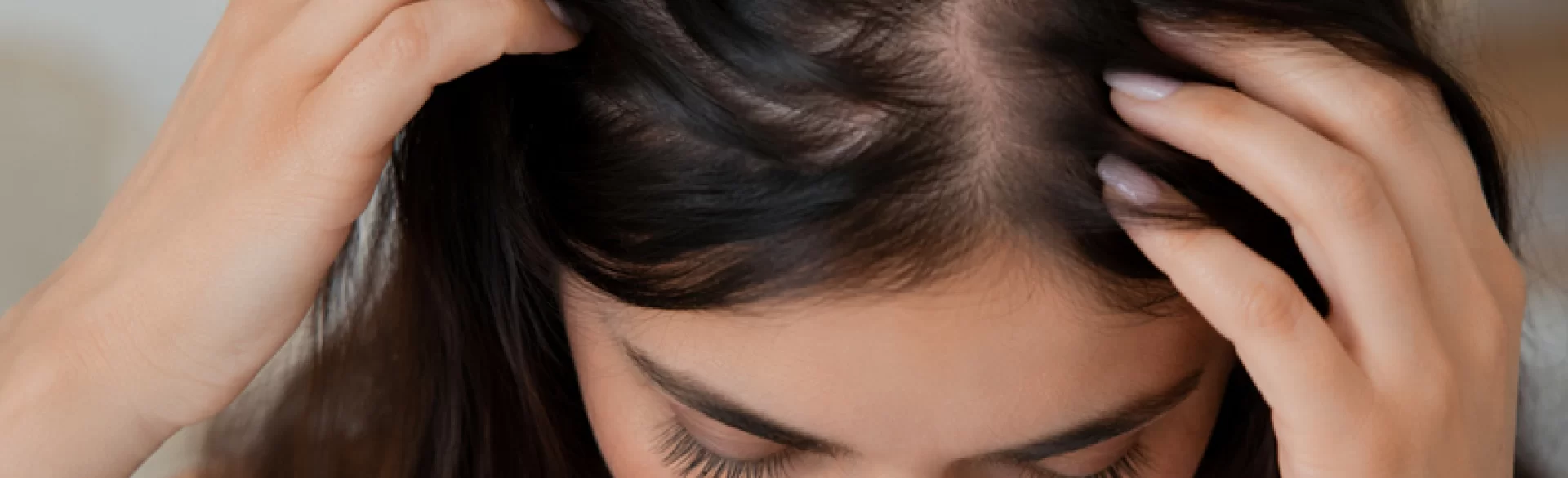
Anagen effluvium is a form of non-scarring hair loss resulting from damage to the hair matrix cells in the anagen phase, i.e., active growth. This process leads to rapid hair loss, often in a short time and with high intensity. Unlike telogen effluvium, in which hair prematurely enters the resting phase, anagen effluvium is associated with the direct inhibition of cell division in the hair follicle. It is most commonly observed in patients undergoing cytotoxic therapy, but it can also occur in the course of other factors that damage rapidly proliferating cells.
Anagen effluvium - causes
The primary mechanism leading to anagen effluvium is damage to the intensely dividing hair matrix cells, which are responsible for its growth and structure. These cells are among the fastest proliferating in the body, making them particularly sensitive to cytotoxic factors.
The most common causes include:
- anticancer chemotherapy – cytostatic drugs (e.g., anthracyclines, taxanes, alkylating agents) inhibit cell division, leading to a sudden interruption of hair growth,
- radiotherapy – ionizing radiation damages the DNA of hair follicle cells,
- toxic poisoning – exposure to heavy metals (e.g., thallium, arsenic),
- immunosuppressive and biological drugs – in selected cases affecting cell proliferation,
- severe inflammation and systemic diseases that disrupt the functioning of rapidly dividing tissues.
As a result of the above factors, the following occur:
- inhibition of hair matrix cell mitosis,
- weakening of the hair shaft structure,
- formation of characteristic dystrophic hairs (so-called “broken hairs”),
- hair loss directly from the growth phase.
An important clinical aspect is the fact that this process develops very rapidly – hair loss can begin as early as a few days after exposure to the damaging factor.
Anagen effluvium - treatment
Therapeutic management of anagen effluvium focuses primarily on eliminating or limiting the action of the causative factor and supporting the regeneration of hair follicles. In many cases, especially after the completion of chemotherapy, spontaneous hair regrowth occurs, which results from the preserved integrity of the follicle stem cells.
Therapeutic strategies include:
1. Causal management
- modification of oncological treatment regimens (if possible),
- scalp protection during therapy (e.g., scalp cooling during chemotherapy – scalp cooling),
- limitation of exposure to toxic factors.
2. Support for hair follicle regeneration
- microcirculation stimulating therapies – improved scalp blood supply promotes the regeneration of hair structures,
- scalp mesotherapy – delivery of active substances (amino acids, peptides, vitamins),
- platelet-rich plasma (PRP) – the use of growth factors stimulating cell proliferation,
- biostimulation therapies – supporting repair and metabolic processes.
In this context, technologies using physical energy are of particular importance, such as:
- radiofrequency (RF),
- LED light of a specific wavelength,
- INDIBA therapy (monopolar radiofrequency at a frequency of 448 kHz) – stimulating cellular metabolism, improving microcirculation, and supporting regenerative processes within the scalp.
The mechanism of action of INDIBA therapy is based on:
- increasing blood and oxygen flow,
- activation of fibroblasts,
- acceleration of repair processes within the hair matrix.
3. Pharmacological treatment (supplementary)
- topical preparations supporting hair growth,
- supplementation of deficiencies (iron, zinc, vitamin D, biotin),
- individually selected dermatological therapies.
4. Trichological and dermatological care
Regular monitoring of the condition of the scalp allows for:
- assessment of the dynamics of hair regrowth,
- early detection of complications,
- optimization of supporting therapies.
In most cases, anagen effluvium is reversible; however, the rate and quality of hair regrowth depend on the degree of hair follicle damage and the patient's overall health. Hair regrowing after the completion of the process may show transient structural changes – differing in thickness, color, or curl, which is a result of the regeneration of the hair apparatus.

