Body skin after weight loss
back to main page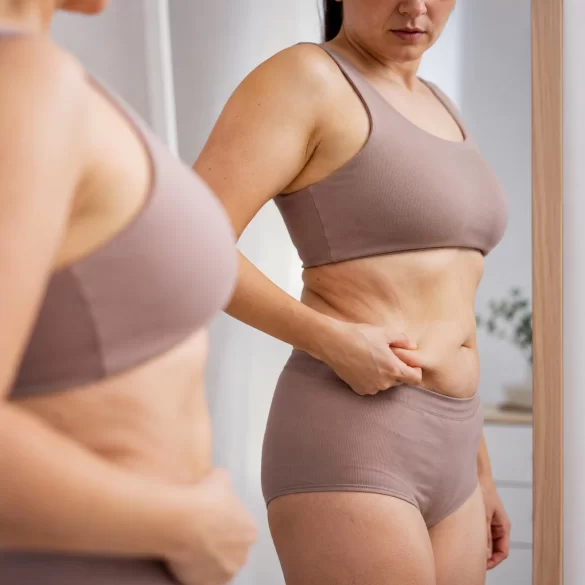
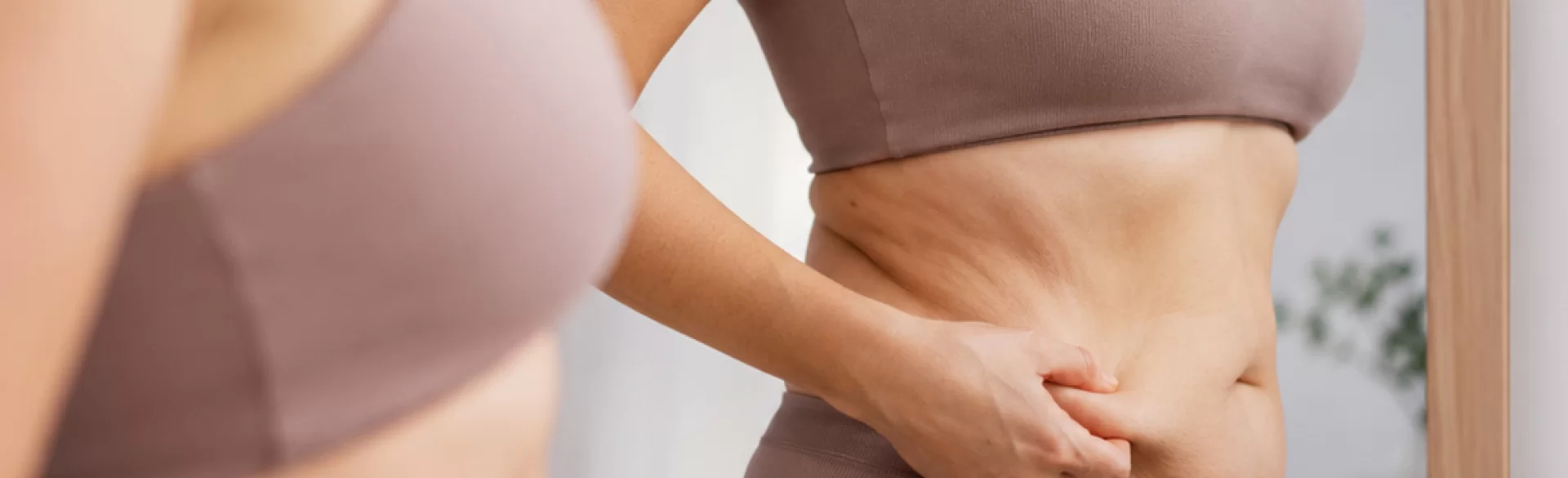
Weight loss, especially rapid or involving significant loss of body fat, leads to visible changes in skin structure and tension. In many people after weight loss, sagging, loss of firmness, and excess skin appear around the abdomen, arms, thighs, or buttocks. This phenomenon results from the skin's limited ability to contract after prolonged stretching. The severity of the changes depends on many factors, such as age, the rate of weight loss, genetic predisposition, collagen and elastin levels, or lifestyle. Modern aesthetic medicine and regenerative dermatology offer a range of methods that improve skin tension and support its remodeling after the weight loss process is completed.
Skin after weight loss - why it becomes loose
The skin is an organ with a high adaptive capacity, but its ability to stretch and contract has definite biological limits. During weight gain, there is a gradual stretching of collagen and elastin fibers located in the dermis. When this process lasts for years, the skin's supporting structures become weakened and partially degraded.
After reduction of body fat, body volume decreases faster than the skin is able to adapt to the new anatomical conditions. As a result, there appears:
- excess skin,
- loss of firmness,
- tissue laxity,
- skin rippling,
- deterioration of the body contour.
Most often, the problem affects the areas of:
- abdomen,
- inner thighs,
- arms,
- buttocks,
- breasts.
The risk of laxity increases especially after:
- reduction of a large number of kilograms,
- bariatric surgeries,
- repeated body weight fluctuations,
- very low-calorie diets,
- rapid pace of weight loss.
The chronic inflammation accompanying obesity is also important. Excess adipose tissue promotes oxidative stress and collagen degradation, which additionally weakens the skin structure even before weight reduction begins.
Skin after weight loss - what does its elasticity depend on
Skin elasticity is the ability to stretch and return to its original shape. Collagen and elastin fibers, as well as proper hydration of the extracellular matrix, are primarily responsible for these properties.
The most important factors affecting skin elasticity after weight loss include:
Age
With age, the production of collagen, elastin, and hyaluronic acid naturally decreases. After the age of 25, collagen synthesis gradually decreases each year, which causes a decline in the skin's regenerative capacity. Therefore, younger people usually adapt better to changes in body volume.
Rate of weight loss
Slow, controlled weight loss gives the skin more time to remodel and shrink. Rapid weight loss, on the other hand, leads to a greater risk of losing firmness.
The most physiological rate of reduction is considered to be on average:
- 0.5-1 kg per week.
Genetics
Genetic predispositions affect:
- collagen fiber density,
- connective tissue quality,
- the skin's susceptibility to stretching,
- regenerative capacity.
This is why, in some people, even significant weight loss does not cause significant laxity, while in others, the problem appears relatively quickly.
Lifestyle
The condition of the skin is greatly influenced by:
- a diet rich in protein and antioxidants,
- adequate hydration,
- physical activity,
- sleep quality,
- avoiding tobacco smoking.
Nicotine and oxidative stress accelerate collagen degradation and impair skin microcirculation.
Hormones and health
Hormonal disorders, insulin resistance, nutritional deficiencies, or chronic diseases can weaken the skin's regenerative processes. Particularly important are deficiencies of:
- protein,
- iron,
- zinc,
- vitamin C,
- vitamin D.
Skin after weight loss - what affects its appearance
The appearance of the skin after weight reduction depends not only on the loss of kilograms itself, but also on the quality of the subcutaneous tissue, the degree of damage to the supporting fibers, and daily care and prevention.
Physical activity plays an important role, especially resistance and muscle-strengthening training. Building muscle tissue improves the body contour and partially fills the space left by the lost fat tissue, thanks to which the skin appears tighter.
Care supporting skin regeneration is also important. Preparations containing:
- retinoids,
- peptides,
- antioxidants,
- ceramides,
- hyaluronic acid
can improve the quality of the epidermis and support reconstruction processes.
In the case of pronounced laxity, procedures in the field of dermatology and aesthetic medicine find effective application, the aim of which is to stimulate neocollagenesis, i.e., the production of new collagen. The following are used, among others:
- microneedle radiofrequency,
- HIFU (focused ultrasound),
- laser treatments,
- radio waves,
- tissue biostimulators,
- regenerative mesotherapy,
- endermologie,
- technologies using infrared.
At Ambasada Urody, modern procedures supporting the improvement of body skin tightness after weight loss are used, including lifting treatments, stimulating collagen production, and improving the quality of skin tissue.
In cases of a very large excess of skin, especially after massive weight loss, plastic surgery may remain the most effective solution, including, among others:
- abdominoplasty,
- arm lift,
- thigh lift,
- body lift.
The approach should always be selected individually, taking into account the degree of laxity, skin quality, the patient's age, and weight stabilization.

