Clogged pores
back to main page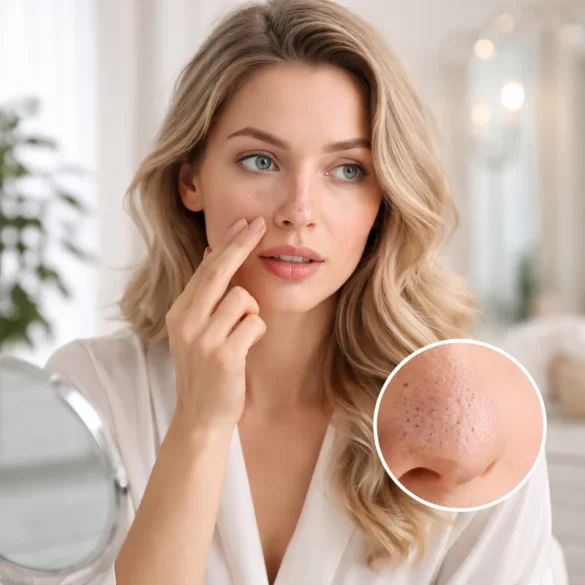

Clogged pores refer to the retention of keratin-sebum content within the openings of hair follicles, also known as pilosebaceous units. In dermatology, this phenomenon is a fundamental element in the pathogenesis of comedones and early stages of acne. The mechanism involves excessive keratinization of the follicle opening (hyperkeratinization), increased sebum production, and impaired sebum drainage. Clinically, it manifests as the presence of open and closed comedones, enlarged pores, and uneven skin texture. The issue mainly affects seborrheic areas—such as the face (particularly the nose, forehead, and cheeks), back, and chest. Untreated retention promotes the development of inflammatory changes and permanent enlargement of follicular openings.
Clogged pores – what they look like
The clinical picture depends on the degree of retention and activity of the sebaceous glands.
The most commonly observed are:
- Open comedones (blackheads) – small, dark spots; the black coloration is due to the oxidation of lipids and melanin, not the presence of dirt.
- Closed comedones (whiteheads) – small, white or flesh-colored bumps covered with a thin layer of epidermis.
- Enlarged openings of hair follicles – particularly around the nose and cheeks.
- Rough skin texture and loss of its uniformity.
In dermatoscopic examination, a keratinous-sebaceous plug filling the follicular canal is visible. Histologically, there is excessive proliferation of keratinocytes within the follicle funnel and increased activity of the sebaceous glands.
Characteristic features:
- absence of erythema in the absence of inflammation,
- symmetrical location of lesions,
- tendency to recur with improper care.
Clogged pores – how to recognize
The diagnosis is clinical and is based on the assessment of the morphology of the lesions and their location in seborrheic zones.
Factors that contribute include:
- seborrhea (excessive sebum production),
- disorders of keratinization at the follicle opening,
- hormonal factors (especially androgens),
- use of comedogenic cosmetics,
- insufficient skin cleansing,
- exposure to air pollution (PM particles).
In differential diagnosis, consider:
- milia,
- epidermoid cysts,
- papulopustular acne,
- seborrheic dermatitis.
If the lesions are chronic, severe, or accompanied by inflammatory papules, a dermatological consultation is recommended to exclude active acne or endocrine disorders.
Clogged pores – how to cleanse
Therapeutic management should include three key elements:
- normalization of keratinization,
- regulation of sebum secretion,
- limitation of Cutibacterium acnes colonization.
Professional Methods
1. Manual (mechanical) cleansing
Controlled removal of keratin-sebum plugs by a qualified specialist. It requires proper skin preparation and adherence to aseptic principles. Improper execution can lead to damage to the epidermal barrier and post-inflammatory hyperpigmentation.
2. Chemical (medical) peels
Procedures using acids with keratolytic and seboregulating effects:
- salicylic acid (BHA – penetrates into the follicle),
- azelaic acid,
- mandelic acid,
- topical retinoids.
Medical peeling is a chemical, not apparatus-based, procedure - its effectiveness results from controlled exfoliation and regulation of cell renewal.
3. High-tech cleansing
Modern technologies supporting the reduction of comedones and improvement of skin structure, including:
- hydrodermabrasion,
- cavitation peeling (ultrasound),
- laser procedures reducing seborrhea and tightening pores,
- microneedle radiofrequency – stimulating dermal remodeling and reducing pore visibility.
The goal of high-tech therapy is not only to remove plugs but also to address the root cause of the problem – excessive activity of sebaceous glands and disturbed skin structure.
Clogged Pores – Home Remedies
Home treatment can support professional therapy but does not replace treatment in the case of severe conditions.
Recommended actions:
- double cleansing (hydrophilic oil + gentle gel),
- toners with 1–2% salicylic acid,
- enzymatic peeling 1–2 times a week,
- regular use of retinol in low concentrations,
- sun protection (SPF 30–50).
Should be avoided:
- aggressive squeezing,
- strong mechanical peels,
- drying preparations with ethyl alcohol,
- home "steam treatments" in the case of vascular skin.
Excessive degreasing of the skin leads to a reactive increase in sebum production, which paradoxically worsens the problem.
Clogged pores – cosmetics
The effectiveness of anti-comedone preparations depends on the presence of ingredients with documented action.
Ingredients regulating keratinization
- retinol and retinal,
- adapalene,
- salicylic acid,
- azelaic acid.
Seboregulating ingredients
- niacinamide (4–10%),
- zinc PCA,
- L-carnitine.
Anti-inflammatory and barrier-supporting ingredients
- ceramides,
- squalane,
- panthenol.
Preparations should be:
- non-comedogenic,
- with a light, non-occlusive formula,
- adapted to skin type.
The effects of retinoid therapy usually appear after 8–12 weeks of systematic use. For mature skin with enlarged pores, it is worth combining anti-comedone therapy with procedures that stimulate collagen remodeling.

