Cold-induced bumps on the face
back to main page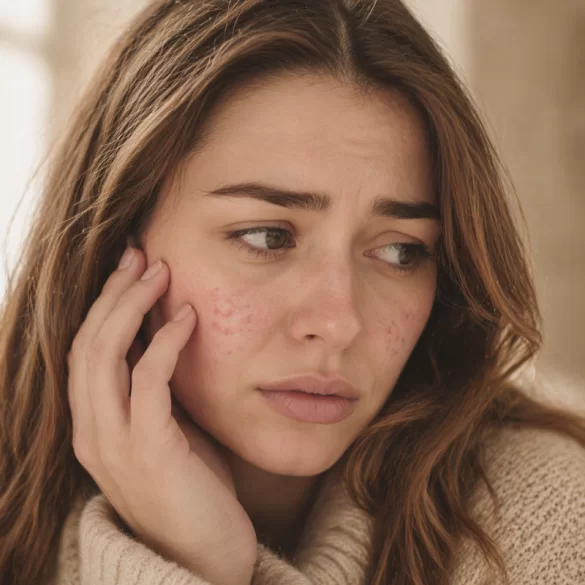
Cold-induced bumps on the face is a colloquial term for skin lesions appearing as a result of exposure to low temperatures, wind, and sudden changes in environmental conditions. They are most often inflammatory in nature and can take the form of papules, vesicles, or erythematous foci, accompanied by itching, burning, or pain. This phenomenon is associated with the disruption of the skin's hydrolipid barrier, impaired microcirculation, and hyperreactivity of blood vessels. In dermatology, these lesions may correspond to, among others, superficial frostbite, cold dermatoses, or the exacerbation of existing skin diseases, such as acne or atopic dermatitis.
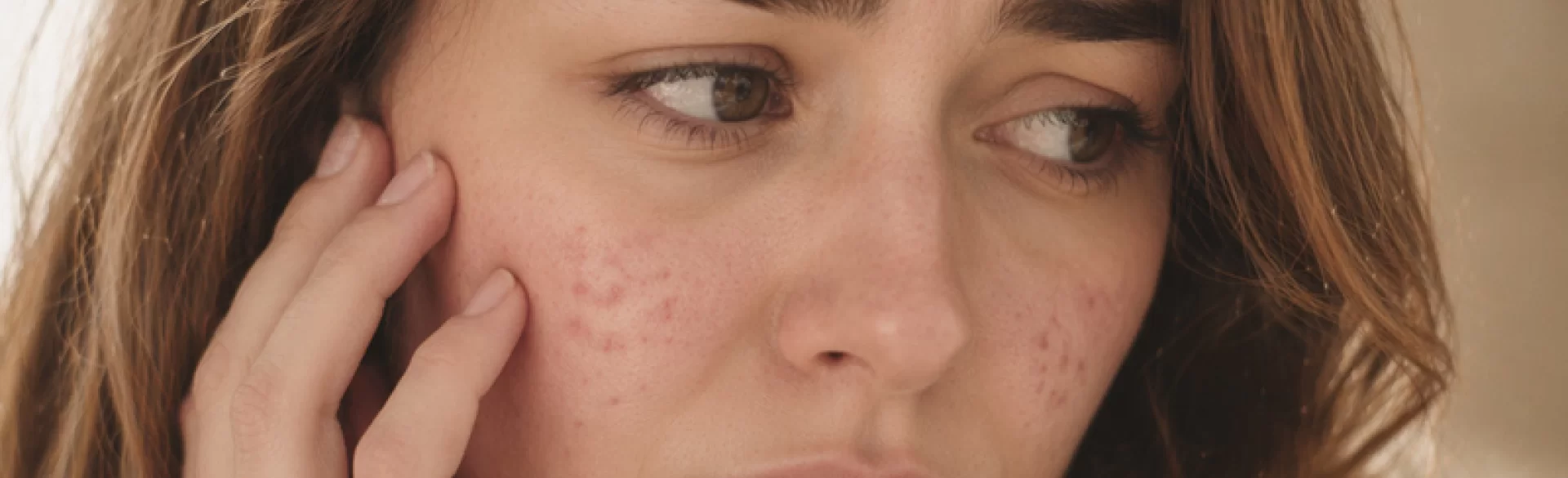
Cold-induced pimples on the face – what they look like
The clinical picture of skin lesions caused by cold is diverse and depends on the duration of exposure, temperature, and individual skin reactivity. The following are most commonly observed:
- inflammatory papules and pustules - small, raised red lesions, often painful to the touch,
- serous vesicles - filled with clear fluid, they can rupture and form erosions,
- erythema and edema - particularly within the cheeks, nose, and chin,
- dryness and scaling of the skin - a result of damage to the epidermal barrier,
- roughness and micro-cracks - predisposing to secondary bacterial infections.
These lesions often appear symmetrically and are located in areas most exposed to the cold, such as the cheeks, nose, or the area around the mouth. In some cases, they may resemble acne lesions, however, their etiology is different and mainly related to environmental factors.
In the course of more severe reactions, so-called cold-induced dermatoses may develop, including cold urticaria, which manifests as wheals and intense itching. In individuals with vascular disorders, pernio-type lesions (chilblains) are also possible, which are painful, bluish-red inflammatory nodules.
Cold pimples on the face – what helps
Therapeutic management of skin lesions caused by cold is based on restoring the skin's protective barrier, reducing inflammation, and preventing further damage. Both preventive measures and symptomatic treatment are of key importance.
Basic management principles include:
- skin protection against cold - using protective creams with high lipid content (so-called cold cream), limiting exposure to wind and frost,
- restoration of the hydrolipid barrier - preparations containing ceramides, cholesterol, and fatty acids,
- soothing inflammation - dermocosmetics with panthenol, allantoin, niacinamide, or ectoine,
- avoiding aggressive cosmetics - especially products containing alcohol or strong exfoliating substances,
- gentle skin cleansing - using syndets and cleansing emulsions with physiological pH.
In cases of more severe lesions, dermatological consultation and the implementation of pharmacological treatment may be indicated, e.g.:
- topical glucocorticosteroids (short-term),
- calcineurin inhibitors,
- antibacterial preparations in case of secondary infections.
In aesthetic medicine and functional dermatology, procedures supporting skin regeneration and improving microcirculation are also used, such as:
- regenerative mesotherapy - providing moisturizing and rebuilding ingredients,
- treatments using radiofrequency (e.g., INDIBA) - supporting repair processes and improving blood supply,
- LED light therapies - with anti-inflammatory and regenerative effects.
It should be emphasized that prevention is key - proper skin care during the autumn-winter period allows for a significant reduction in the risk of skin lesions associated with exposure to low temperatures.

