Diffuse alopecia
back to main page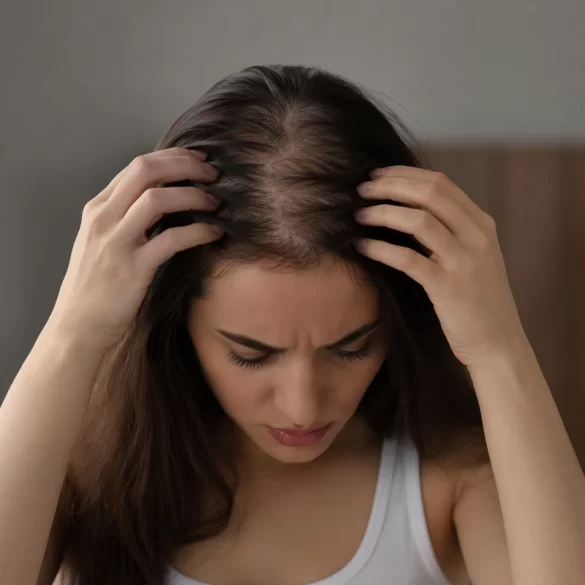
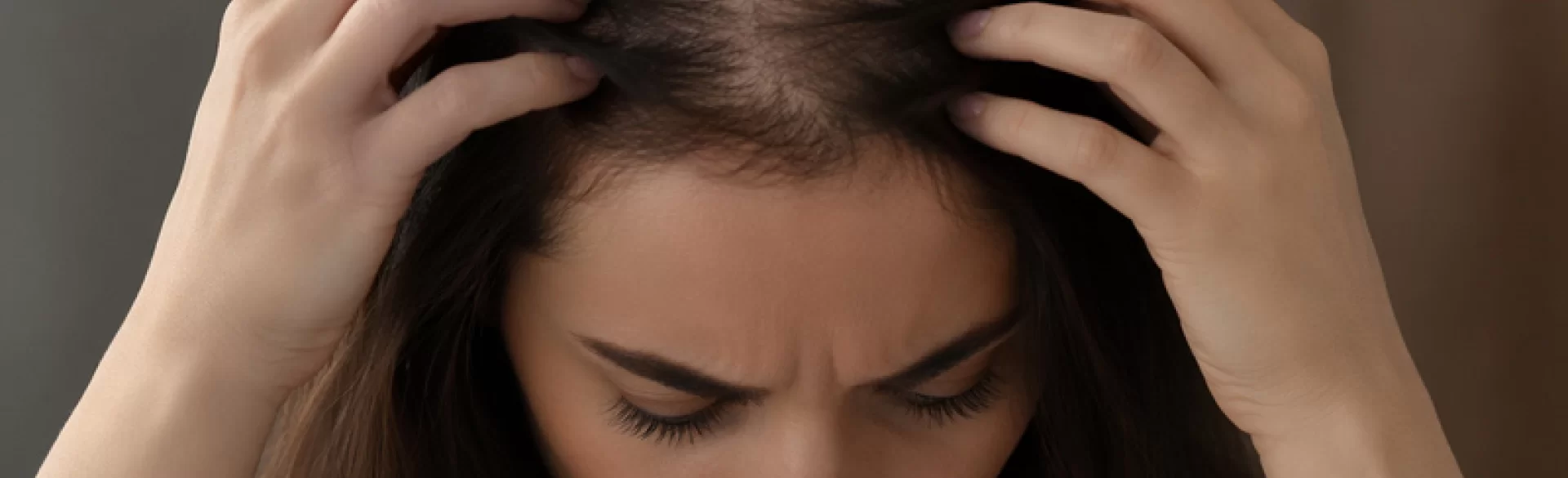
Diffuse alopecia (Latin: alopecia diffusa) is a form of hair loss characterized by an even thinning of hair across the entire surface of the scalp, without clearly defined patches of baldness. It is a disorder of the hair growth cycle, most often associated with the premature transition of hair follicles from the anagen phase (growth) to telogen (resting), which leads to increased hair loss. This condition is usually reversible, however, its course and duration depend on the triggering factor and the patient's general health condition.
Diffuse alopecia – what is it
Diffuse alopecia is a clinical symptom of physiological hair cycle disorders, involving the simultaneous involvement of a large number of hair follicles. Under normal conditions, approximately 85–90% of hair is in the anagen phase, whereas in diffuse alopecia, this proportion shifts in favor of the telogen phase.
Two primary mechanisms of this type of alopecia are distinguished:
- telogen effluvium (telogen effluvium) – the most common, associated with a sudden transition of hair into the resting phase,
- anagen effluvium (anagen effluvium) – resulting from the inhibition of the mitotic activity of hair matrix cells.
This process does not lead to permanent damage to the hair follicles, which distinguishes diffuse alopecia from scarring alopecia. The clinical presentation is dominated by a general reduction in hair density, particularly visible in the parietal region.
Diffuse alopecia – causes
The etiology of diffuse alopecia is multifactorial and includes both systemic and environmental factors. The most commonly identified causes include:
Metabolic and hormonal factors:
- iron deficiencies (low ferritin levels),
- thyroid dysfunction (hypothyroidism and hyperthyroidism),
- hormonal disorders (e.g., hyperprolactinemia, estrogen-progesterone imbalances),
- postpartum period.
Systemic factors:
- chronic stress and activation of the HPA axis (hypothalamus-pituitary-adrenal),
- severe infections (e.g., after viral diseases),
- chronic diseases (autoimmune, neoplastic).
Nutritional factors:
- protein deficiencies,
- vitamin deficiencies (especially B group, vitamin D),
- restrictive weight loss diets.
Iatrogenic factors (treatment-related):
- cytotoxic drugs (chemotherapy),
- retinoids,
- certain anticoagulants and antidepressants.
In clinical practice, the coexistence of several factors is often observed, which prolongs the diagnostic and therapeutic process.
Diffuse alopecia – symptoms
The main symptom of diffuse alopecia is increased, diffuse hair loss, which patients most often notice during washing, combing, or on the pillow. Characteristic clinical features include:
- even thinning of hair over the entire scalp surface,
- lack of foci of complete baldness,
- reduction in hair volume,
- presence of telogen hairs with a club-shaped bulb.
In a trichological examination (e.g., trichoscopy), the following can be observed:
- an increased percentage of hairs in the telogen phase,
- lack of follicle miniaturization (which distinguishes this condition from androgenetic alopecia),
- preserved structure of the hair follicle openings.
Symptoms usually appear with a delay - even 2-3 months after the triggering factor, which often makes it difficult to identify the cause.
Diffuse alopecia – does hair grow back
The prognosis in diffuse alopecia is usually favorable because the hair follicles do not undergo permanent damage. After the elimination of the causative factor, there is a gradual return of hair to the anagen phase and hair regrowth.
The regeneration process takes place in stages:
- inhibition of excessive shedding (after approx. 2-3 months),
- appearance of new hair (so-called baby hair),
- gradual increase in hair density within 6-12 months.
Supportively, therapeutic methods aimed at stimulating hair follicle activity and improving scalp microcirculation are used, which favors the restoration of the proper hair growth cycle. The most commonly used include:
- needle mesotherapy of the scalp (using nutritional cocktails, biomimetic peptides, or platelet-rich plasma),
- therapies using platelet-rich plasma (PRP) - initiating regenerative processes through growth factors,
- carboxytherapy - improving tissue perfusion and increasing oxygen availability within the hair follicles,
- microneedle mesotherapy - inducing controlled micro-injuries that stimulate repair processes, angiogenesis, and activation of hair follicle stem cells.
The effectiveness of therapy depends on the accurate identification of the cause and a comprehensive approach including both causal treatment and local stimulation. In the case of persistent symptoms, laboratory diagnostics and specialist consultation (dermatological or trichological) are indicated.

