Erythrodermic psoriasis
back to main page
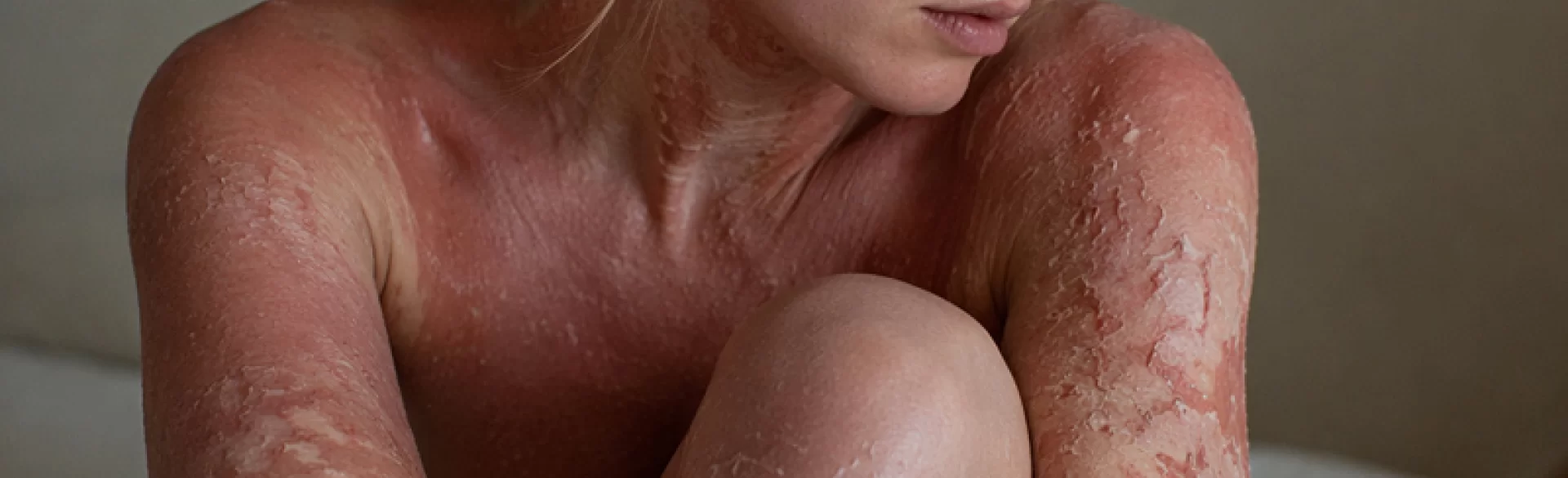
Erythrodermic psoriasis is a rare but severe form of psoriasis, characterized by generalized inflammation covering almost the entire skin surface. It involves diffuse redness (erythroderma), intense exfoliation of the epidermis, and impairment of the skin barrier function. The disease may develop on the basis of existing plaque psoriasis or appear de novo. Due to the risk of systemic complications, such as thermoregulation disorders, dehydration, or electrolyte imbalances, erythrodermic psoriasis requires urgent diagnostics and specialist treatment.
Erythrodermic psoriasis – characteristics
Erythrodermic psoriasis is characterized by a particularly severe course and significant skin surface involvement, exceeding 75–90% of its area. The pathogenesis of the disease is associated with intense inflammation and dysregulation of the immune response, in which T lymphocytes and proinflammatory cytokines, such as TNF-α, IL-17 and IL-23, play a key role.
Trigger factors include:
- sudden withdrawal of systemic treatment (e.g., glucocorticosteroids),
- bacterial and viral infections,
- severe physical or psychological stress,
- use of certain medications (e.g., lithium, beta-blockers),
- sunburns or skin injuries (Köbner phenomenon).
During the course of the disease, an accelerated cycle of keratinocyte proliferation and epidermal differentiation disorders occur. The skin loses its ability to perform its protective function, resulting in increased loss of water, proteins, and heat. For this reason, erythrodermic psoriasis is treated as a potentially life-threatening condition.
Erythrodermic psoriasis – symptoms
The clinical picture of erythrodermic psoriasis is characteristic and includes both cutaneous and systemic symptoms.
Cutaneous symptoms:
- generalized erythema with an intense, bright red color,
- extensive desquamation of the epidermis (often plate-like),
- thinning and tension of the skin,
- severe pruritus,
- burning sensation and skin soreness.
Systemic symptoms:
- fever or low-grade fever,
- chills resulting from thermoregulation disorders,
- dehydration and electrolyte imbalances,
- increased heart rate (tachycardia),
- weakness and general malaise.
Complications may occur during the course of the disease, such as:
- secondary bacterial skin infections,
- circulatory failure,
- metabolic disorders,
- hypoalbuminemia (lowering of protein levels in the blood).
Due to the extent of the lesions and the risk of complications, the patient's condition often requires hospitalization and monitoring of systemic parameters.
Erythrodermic psoriasis – treatment
Treatment of erythrodermic psoriasis is multidirectional and should be conducted in specialized settings. The goal of therapy is rapid control of inflammation, stabilization of body functions, and restoration of the skin barrier.
General management:
- hospitalization in severe cases,
- balancing fluid and electrolyte levels,
- body temperature control,
- prevention of infections.
General pharmacological treatment:
- cyclosporine - rapid immunosuppressive effect,
- methotrexate - inhibition of cell proliferation,
- retinoids (e.g., acitretin) - regulation of keratinocyte differentiation,
- biological drugs (e.g., TNF-α, IL-17, IL-23 inhibitors) - targeted immunological therapy.
Topical treatment:
- intensive emollients restoring the skin barrier,
- keratolytic preparations (e.g., urea, salicylic acid),
- mild glucocorticosteroids used short-term.
Supporting methods are also significant in the disease stabilization phase:
- phototherapy (UVB 311 nm) - after stabilization of the general condition,
- proper skin care and avoidance of irritants.
Erythrodermic psoriasis - supportive management and dermatological procedures
After the acute phase of the disease is controlled, actions are implemented aimed at improving the skin condition and extending remission periods. In clinical practice, the following are used:
- moisturizing and regenerating skin treatments - supporting the reconstruction of the hydrolipid barrier,
- light therapies (phototherapy) - modulating the skin's immune response,
- medical peels with controlled keratolytic action - used cautiously in the remission phase,
- treatments soothing inflammation and itching - supporting patient comfort.
A comprehensive therapeutic approach, including systemic and topical treatment as well as proper care, allows for a significant reduction in symptoms and improvement in the quality of life of patients, although the disease is chronic and recurrent.

