Flaky skin
back to main page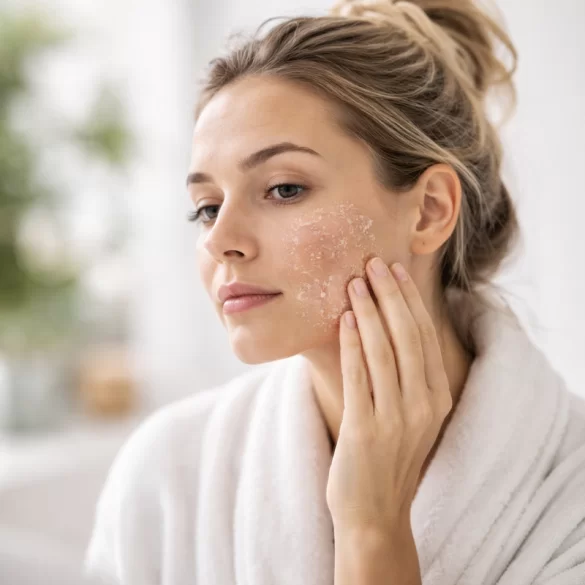
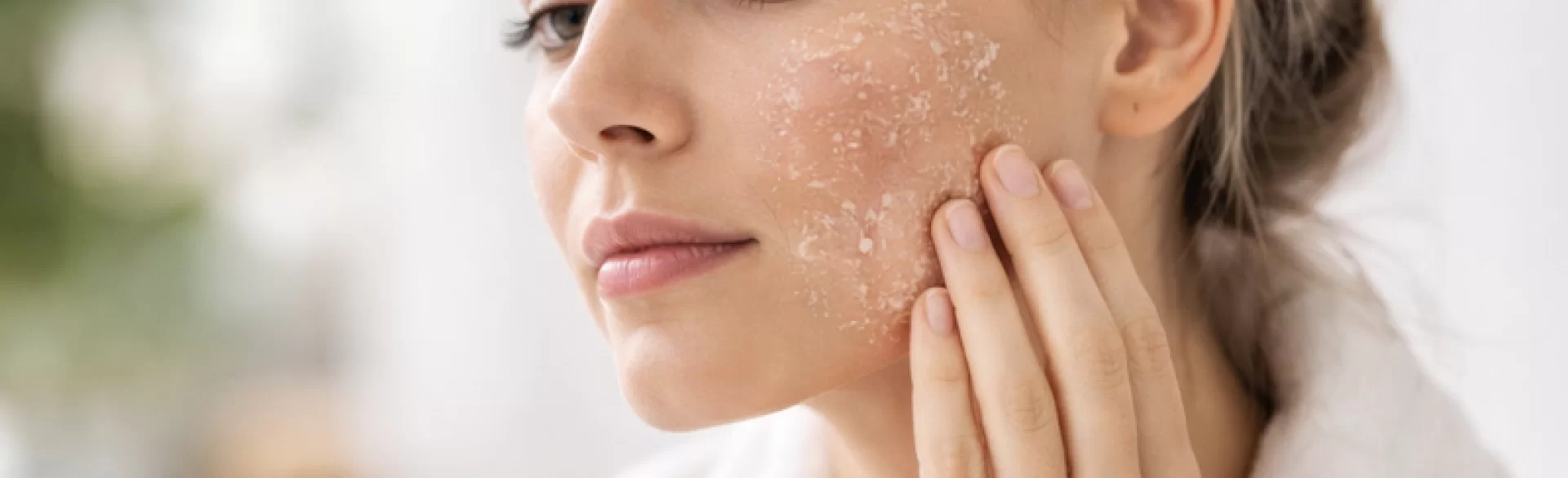
Flaky skin is a symptom characterized by excessive shedding of the stratum corneum, visible as peeling flakes, fine scales, or dry patches. This process can be physiological, as a part of the natural renewal of the epidermis, or pathological when associated with disruptions in the skin barrier, inflammation, infections, or systemic diseases. Peeling may be localized (e.g., face, hands, feet) or generalized, and often coexists with erythema, itching, burning, or skin cracking. Assessing the cause is crucial, as symptomatic treatment without identifying the underlying issue can lead to recurrences.
Flaking Skin - Causes
Peeling is a consequence of disturbed keratinization (the keratinization process) and dysfunction of the hydrolipid barrier. The most common causes include:
1. Environmental and care factors
- Low air humidity (heating season),
- Exposure to wind and UV radiation,
- Excessive use of detergents and alcohols,
- Aggressive mechanical or chemical peels,
- Inappropriately chosen retinoids.
2. Dermatological diseases
- Atopic dermatitis (AD) – defect of the epidermal barrier and chronic inflammation,
- Psoriasis – accelerated proliferation of keratinocytes,
- Seborrheic dermatitis – hyperreactivity to Malassezia yeast,
- Keratosis pilaris – excessive keratinization of hair follicle openings,
- Fungal infections of smooth and hairy skin.
3. Systemic factors
- Hypothyroidism,
- Vitamin deficiencies (A, D) and essential fatty acids,
- Diabetes,
- Dehydration,
- Adverse drug reactions (e.g., systemic retinoids).
4. Aging processes
- Decrease in ceramide and NMF (natural moisturizing factor) content,
- Reduced activity of sebaceous glands.
In clinical practice, it is crucial to differentiate peeling with accompanying erythema (suspicion of inflammation), cracks (severe dryness), sheet peeling after sunburns, and erythroderma – a condition requiring urgent diagnosis.
Peeling skin – how to treat
Therapeutic management depends on the etiology. For mild barrier disorders, causal and restorative treatments are used.
1. Restoration of the hydrolipid barrier
- emollients with ceramides, cholesterol, and fatty acids,
- preparations with urea (5–10%) – keratolytic and hygroscopic effects,
- lactic acid and gluconolactone (PHA) in low concentrations.
2. Treatment of inflammatory conditions
- topical glucocorticosteroids (short-term),
- calcineurin inhibitors (tacrolimus, pimecrolimus),
- in psoriasis: vitamin D3 analogs, coal tar, phototherapy.
3. Treatment of infections
- antifungal drugs (topical or systemic),
- antibiotics for bacterial superinfection.
4. Specialized therapies in aesthetic medicine and dermatology
In cases of chronic dryness, photodamage, and keratinization disorders, the following may be effective:
- medical chemical peels (e.g., lactic acid, salicylic acid),
- mesotherapy with hyaluronic acid and amino acids,
- biorevitalizing treatments,
- regenerative therapies using microneedle radiofrequency.
In clinical settings (e.g., in treatment offerings that include medical peels, mesotherapy, or high-tech regenerative treatments), therapy should be preceded by an assessment of skin type and exclusion of active inflammation.
Unjustified use of strong exfoliating preparations during active inflammation may deepen barrier damage and worsen symptoms.
Peeling skin – home remedies
In the case of mild, transient scaling, it is possible to implement supportive measures based on the principles of preventive dermatology:
1. Proper hygiene
- short, lukewarm showers instead of long baths,
- synthetic detergents instead of classic soaps,
- drying the skin by gently patting with a towel (without rubbing).
2. Intensive moisturizing
- application of emollient within 3 minutes after bathing,
- using overnight occlusion (e.g., cream + cotton gloves for dry hands).
3. Diet and hydration
- adequate water intake,
- omega-3 fatty acids,
- vitamin D during the autumn-winter period (after determining the level of 25(OH)D).
4. Protection against external factors
- creams with SPF,
- protection of hands against detergents.
Home methods do not replace the treatment of inflammatory skin diseases. If scaling is accompanied by severe itching, erythema, cracks with exudate, or general symptoms – a dermatological consultation is necessary.

