Injection
back to main page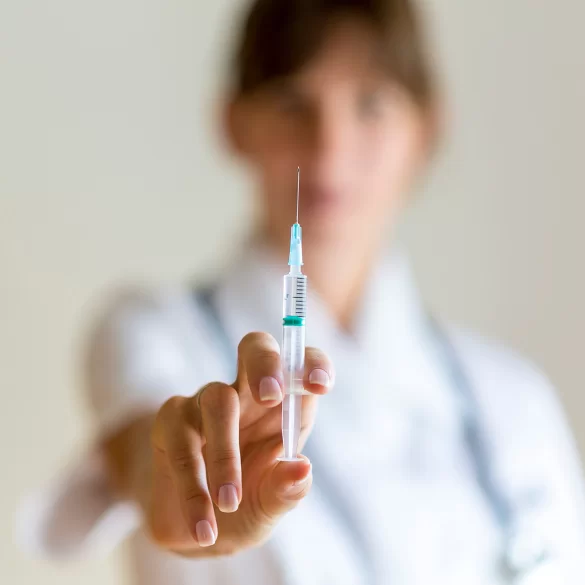

Injection is a medical procedure that involves introducing a specific therapeutic, diagnostic, or biologically active substance into the body, bypassing the digestive tract. This is most commonly done using a needle and syringe, and less frequently with specialized applicators. The goal of an injection is to achieve a rapid, predictable, and controlled effect of the preparation, either locally or systemically. This method is used in nearly all areas of medicine, including internal medicine, surgery, anesthesiology, oncology, orthopedics, and aesthetic medicine. The effectiveness and safety of an injection depend on the correct execution technique, appropriate choice of administration route, and the qualifications of the person performing the procedure.
Injection – what is it?
An injection is a method of administering a drug or another active substance directly into tissues or blood vessels. Unlike oral administration, it bypasses the first-pass metabolism in the liver, allowing for more precise control of the dosage and a faster onset of action.
Key characteristics of injections:
- High bioavailability of the active substance,
- Rapid therapeutic effect (especially with intravenous administration),
- Precision in dosing,
- Possibility of localized action (e.g., within the skin, joint, muscle).
The procedure requires adherence to aseptic and antiseptic principles, proper preparation of the skin, and knowledge of anatomy to minimize the risk of complications such as hematomas, infections, or damage to nerve and vascular structures.
Injection – Types
Types of injections are mainly classified according to the route of substance administration:
1. Intradermal injection
- performed into the dermis layer of the skin,
- used in diagnostics (e.g., allergy tests) and selected dermatological procedures,
- characterized by a small volume of the preparation.
2. Subcutaneous injection
- administered into the fatty tissue,
- slower absorption compared to the intramuscular route,
- used, among others, for administering insulin, low molecular weight heparins, and in aesthetic procedures.
3. Intramuscular injection
- the drug is administered into skeletal muscle,
- allows relatively fast and stable absorption,
- commonly used in vaccinations and pain therapy.
4. Intravenous injection
- direct administration into the bloodstream,
- the fastest effect,
- requires the highest precision and medical supervision.
5. Specialized injections
- intra-articular, peri-articular, epidural,
- performed exclusively by doctors with the appropriate qualifications.
Injection - When to Perform
Indications for performing injections depend on the therapeutic or diagnostic purpose. This procedure is chosen when:
- it is necessary to quickly obtain a clinical effect,
- the drug cannot be administered orally (e.g., due to absorption disorders),
- a localized effect with a high concentration of the substance is required,
- an accurate dose is crucial for patient safety.
Typical clinical situations include:
- treatment of acute and chronic pain,
- inflammatory conditions of tissues and joints,
- metabolic and endocrine disorders,
- prevention and treatment of infectious diseases,
- regenerative and aesthetic skin procedures.
The decision to perform an injection should be preceded by an assessment of the patient's health status, exclusion of contraindications (e.g., coagulation disorders, skin infections at the injection site), and informed consent from the patient.
Injection treatments
Injectable treatments encompass a wide range of medical and para-medical procedures in which active substances are administered directly into tissues to achieve a therapeutic or regenerative effect.
The most commonly used groups of injectable procedures include:
- pharmacological therapies – administration of analgesics, anti-inflammatory drugs, antibiotics,
- diagnostic injections – skin tests, allergy tests,
- regenerative procedures – utilizing substances that stimulate repair processes,
- dermatological and aesthetic treatments – aimed at improving the quality of the skin and tissue functions.
A properly performed injection:
- minimizes the risk of complications,
- ensures predictability of outcomes,
- allows for control over the course of therapy.
From a medical standpoint, an injection is a highly effective tool, but it requires anatomical knowledge, clinical experience, and strict adherence to safety standards.
