Inverse psoriasis
back to main page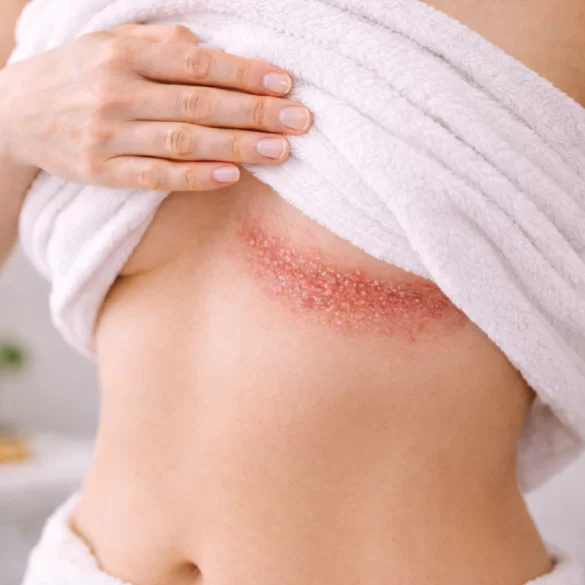
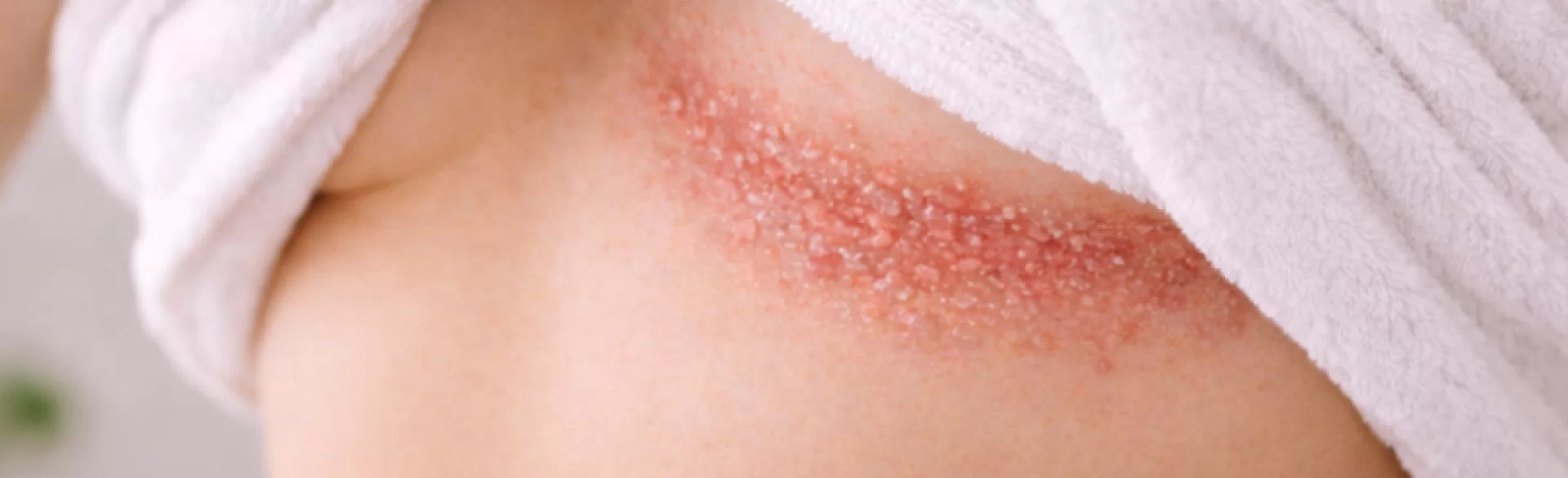
Inverse psoriasis (Latin: *psoriasis inversa*) is a chronic inflammatory skin disease from the group of psoriasis, characterized by lesions primarily located in skin folds. Unlike the classic form of the disease, the eruptions do not have typical thick scaling but instead appear as smooth, intensely red inflammatory patches. Due to their location in areas exposed to moisture, friction, and skin maceration, inverse psoriasis can be diagnostically challenging and is often mistaken for fungal or bacterial infections. The disease is recurrent, and its course depends on genetic factors, environmental factors, and the overall health condition of the patient.
Inverse psoriasis - causes
The etiology of inverse psoriasis is multifactorial and similar to other forms of psoriasis; however, the conditions present in the skin folds play a particular role. The basis of the disease is an abnormal immune response, leading to a chronic inflammatory state of the skin.
The most important factors include:
- genetic predisposition – more common occurrence in individuals with a positive family history of psoriasis,
- immune system dysregulation – excessive activation of T lymphocytes and increased production of pro-inflammatory cytokines,
- mechanical irritation of the skin (friction, pressure), typical for the groin, armpits, inframammary areas, or abdominal folds,
- moisture and maceration of the epidermis, which promote the persistence of inflammation,
- overweight and obesity, which exacerbate skin friction and the inflammatory microenvironment,
- hormonal and metabolic factors (e.g., insulin resistance),
- psychological stress as a factor exacerbating the course of the disease,
- secondary infections, which may mask or exacerbate symptoms.
It is important to emphasize that inverse psoriasis is not a contagious disease, although its clinical presentation can be misleading.
Inverse psoriasis – symptoms
The symptoms of inverse psoriasis differ significantly from those of classic plaque psoriasis, often delaying correct diagnosis. Skin lesions are mainly located in areas with limited ventilation and increased humidity.
Typical clinical features include:
- smooth, shiny erythematous plaques with well-defined borders,
- little or no scaling of the epidermis, due to skin maceration,
- intense redness and a feeling of warmth in the affected areas,
- itching, burning, or soreness, which worsens with movement,
- tendency for cracks and erosions in cases of strong friction,
- possible bacterial or fungal infections that complicate the disease presentation.
The most common locations are:
- armpits,
- groin and anogenital regions,
- under-breast folds,
- buttock and intergluteal areas,
- abdominal folds.
Due to its location, the symptoms of inverse psoriasis can significantly affect the patient's quality of life, physical activity, and intimate aspects.
Inverse psoriasis – treatment
Treatment of inverse psoriasis requires an individualized approach and consideration of the specific skin changes. The therapy aims at reducing inflammation, alleviating symptoms, and preventing recurrences.
The management includes:
- topical treatment – preparations with anti-inflammatory, immunomodulating, and epidermal barrier-regenerating effects,
- appropriate skin care:
- keeping skin folds dry,
- using gentle cleansing agents,
- avoiding irritating cosmetics and detergents,
- reduction of aggravating factors:
- weight control,
- minimizing friction and pressure on the skin,
- stress management,
- treatment of comorbidities that may worsen the course of psoriasis.
In more severe cases or those resistant to topical treatment, consideration is given to:
- systemic therapies with anti-inflammatory and immunomodulating effects,
- modern therapies targeting key inflammatory mediators (selected by a dermatologist).
Treatment of inverse psoriasis is long-term and requires regular dermatological follow-up.
Inverse psoriasis treatments
Treatments supporting the management of inverse psoriasis do not replace dermatological therapy, but they can be a significant complement to the management, especially during periods of remission or mild disease course.
Procedures used in clinical practice include:
- Controlled spectrum light therapies, used to modulate the skin's inflammatory response,
- Treatments with low-intensity radiofrequency energy, supporting tissue regeneration and improving microcirculation,
- Skin regenerative therapies, aimed at rebuilding the epidermal barrier,
- Soothing and antipruritic treatments, reducing discomfort within lesions.
The selection of treatments should always be preceded by a dermatological assessment and consider:
- The current activity of the disease,
- The location of the lesions,
- The tendency for irritation and superinfections,
- The patient's individual skin response.
A rational combination of pharmacological treatment, proper care, and appropriately selected procedural treatments allows for more effective control of inverse psoriasis symptoms and improvement in patients' quality of life.

