IPL (Intense Pulsed Light)
back to main page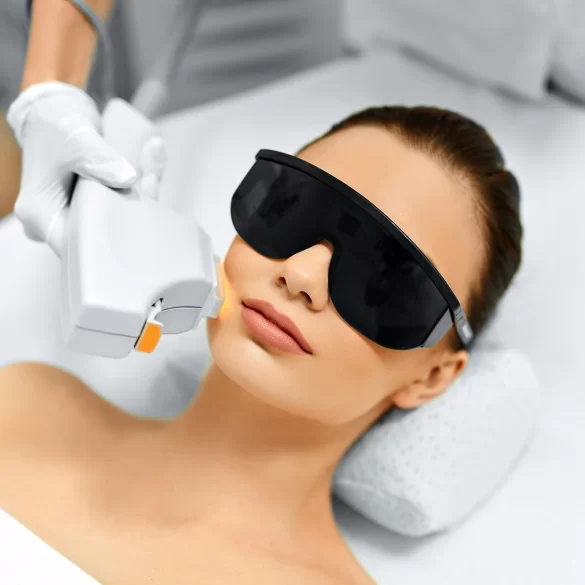
IPL (Intense Pulsed Light) is a technology that utilizes broadband, intense pulsed light used in dermatology and aesthetic medicine for the treatment and correction of various skin conditions. Unlike lasers, which emit light at a single, precisely defined wavelength, IPL generates a range of wavelengths, allowing it to target different skin chromophores such as melanin and hemoglobin. This method is applied in the reduction of pigmentation, vascular lesions, signs of photoaging, and in the treatment of certain forms of acne. The effectiveness of IPL treatments is based on the phenomenon of selective photothermolysis, which involves the controlled absorption of light energy by specific skin structures without significant damage to the surrounding tissues.
IPL – What is it
IPL is a non-invasive therapeutic method in which the source of energy is a xenon lamp that emits light pulses typically in the wavelength range of 500–1200 nm. This light, after passing through appropriate filters, is directed onto the skin to selectively target specific structures.
The basis of IPL's action is selective photothermolysis, which involves the absorption of light energy by chromophores and its conversion into thermal energy. As a result, it leads to:
- coagulation of blood vessels,
- breakdown of excess pigment,
- thermal damage to hair follicle structures,
- stimulation of skin regenerative processes.
IPL is a modifiable technology – parameters such as pulse duration, energy, or wavelength filter are individually tailored to the clinical problem and the patient's skin phototype.
IPL - Characteristics of the Treatment
The IPL procedure is performed on an outpatient basis and does not require breaking the skin's continuity. The procedure includes:
- assessment of skin condition and qualification for the procedure,
- selection of light parameters (filter, energy, pulse duration),
- application of contact gel,
- emission of light pulses using the treatment handpiece.
The duration of the procedure depends on the size of the area being treated and usually ranges from 15–45 minutes.
Sensations during the procedure are described as a moderate feeling of warmth or short-term "pinches." Modern IPL systems are equipped with cooling mechanisms, enhancing the comfort and safety of the procedure.
Characteristic features of IPL technology:
- lack of a single fixed wavelength,
- ability to treat various skin problems with a single device,
- gradual therapeutic effect requiring a series of treatments.
IPL – indications
IPL technology is used in various dermatological and aesthetic indications. The most common include:
- vascular lesions:
- telangiectasia,
- persistent erythema,
- port-wine stains;
- skin pigmentation:
- lentigines,
- sun-induced pigmentation,
- uneven skin tone;
- signs of photoaging:
- fine wrinkles,
- loss of elasticity,
- sallow skin tone;
- acne vulgaris and rosacea (in selected forms);
- excessive hair growth (long-term reduction).
Treatment indications should always be assessed individually, taking into account the skin phototype and the type and depth of the lesions.
IPL - operation
The action of IPL (Intense Pulsed Light) is multi-directional and depends on the type of filter used and the energy parameters. The therapeutic mechanisms include:
- interaction with hemoglobin – leading to the constriction and closure of pathological vessels,
- interaction with melanin – resulting in the lightening of pigmentation,
- thermal effect in the dermis – stimulating fibroblasts to produce collagen and elastin,
- anti-inflammatory action – utilized in acne therapy.
The effects of IPL treatments build up gradually. A full clinical response usually requires a series of 3–6 treatments performed at intervals of several weeks. Vascular and pigmentation changes may temporarily darken or exfoliate, which is a natural stage of the therapeutic process.
IPL – When Not to Do It
There are absolute and relative contraindications for the use of IPL. The most important include:
- pregnancy and breastfeeding period,
- active skin infections in the treatment area,
- skin cancers or post-treatment condition (without doctor's consent),
- tendency to keloids,
- recent tan or use of self-tanners,
- photosensitive diseases,
- use of photosensitizing drugs and substances (e.g., isotretinoin, some antibiotics),
- unregulated systemic diseases.
Skipping qualification or ignoring contraindications significantly increases the risk of complications such as burns, post-inflammatory hyperpigmentation, or scars.
Treatments using IPL
In clinical practice, various therapeutic procedures based on IPL technology are used, including:
- IPL skin photorejuvenation - treatments that improve skin tone, elasticity, and structure by stimulating regenerative processes.
- IPL vascular lesion therapy - reduction of telangiectasia and erythema through selective coagulation of blood vessels.
- IPL pigmentation treatment - procedures aimed at reducing excess melanin in the epidermis and dermis.
- Acne therapy using IPL - procedures that support the treatment of inflammatory changes through antibacterial and anti-inflammatory effects.
- IPL hair reduction - long-term reduction in the amount and thickness of hair in selected areas of the body.
These treatments are part of a comprehensive approach to skin treatment and improvement, and their effectiveness depends on proper qualification, parameter selection, and treatment regularity.

