Keloids
back to main page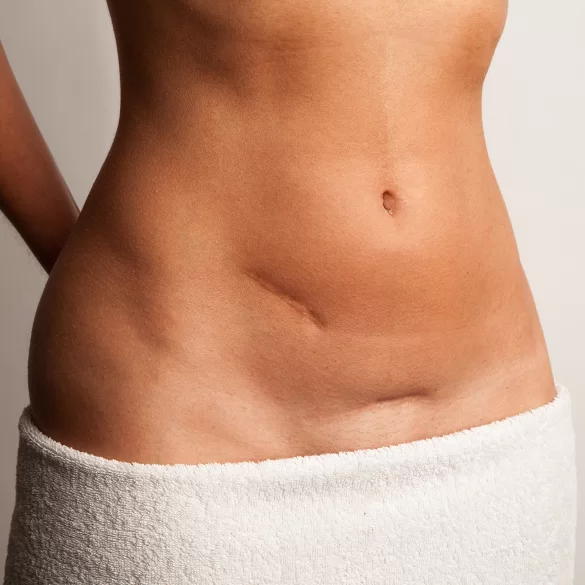
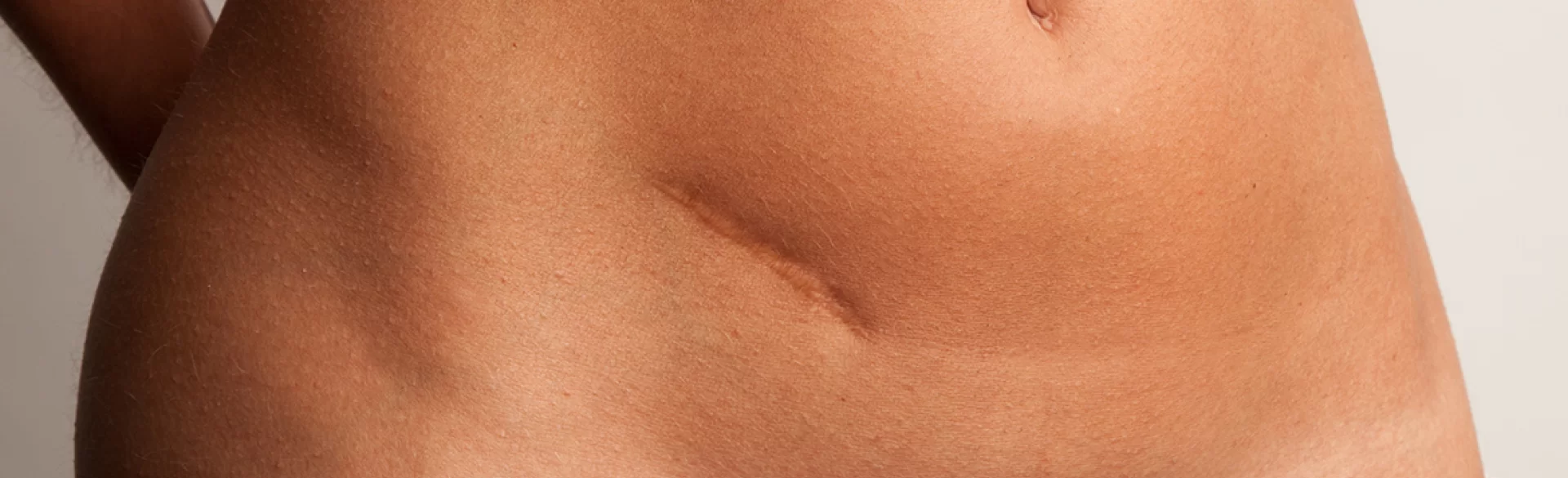
Keloids, also referred to as hypertrophic scars, are a pathological form of scarring resulting from excessive and uncontrolled proliferation of fibrous connective tissue within the dermis. Unlike hypertrophic scars, keloids exceed the boundaries of the original skin injury, tend to gradually enlarge, and do not exhibit spontaneous regression. Their development is associated with disturbances in wound healing processes, particularly with excessive fibroblast activity and abnormal synthesis of type I and III collagen. Keloids can cause not only an aesthetic defect but also subjective symptoms such as itching, pain, burning, or a feeling of skin tightness. They represent a significant clinical problem in dermatology, surgery, and aesthetic medicine due to their tendency to recur and the limited effectiveness of monotherapy treatment.
Keloids – what are they
Keloid is a benign but chronic skin healing disorder characterized by excessive deposition of extracellular matrix, primarily collagen fibers, within the dermis. Histopathologically, it is observed:
- Dense, irregularly arranged bundles of collagen,
- Increased number of active fibroblasts,
- Disturbed balance between collagen synthesis and degradation.
Clinical features of keloids:
- Hard, raised lesion with a smooth or shiny surface,
- Color ranging from pink to dark red,
- Clearly exceeding the boundaries of the original wound,
- Tendency to gradually enlarge over time,
- Frequent pain or itching.
Most common locations:
- Chest,
- Shoulders and arms,
- Sternum area,
- Ear lobes,
- Neck and upper back.
Keloids - Causes of Formation
The etiology of keloids is multifactorial and remains the subject of research. The key role is played by disturbances in the regulation of inflammatory and repair processes in the skin.
The most important risk factors include:
- Genetic predisposition – more common occurrence in individuals with a positive family history,
- Disordered inflammatory response – prolonged inflammation within the wound area,
- Excessive fibroblast activity and increased collagen production,
- Imbalance of cytokines and growth factors (including TGF-β),
- Hormonal factors, especially during puberty and pregnancy.
Triggering factors:
- Mechanical injuries,
- Surgical procedures,
- Skin piercings (e.g., earrings),
- Burns,
- Inflammatory acne,
- Inflammatory conditions of hair follicles.
It is important to note that keloids can develop even after minimal skin damage, and in some patients – without a clearly identifiable initiating factor.
Keloids – how to treat
Treating keloids is a long-term process that requires a multi-faceted approach. The goals of therapy are:
- to inhibit further growth of the scar,
- to reduce its volume,
- to improve the skin's elasticity and appearance,
- to reduce subjective symptoms (pain, itching).
Methods used in the treatment of keloids include:
- Topical and injectable pharmacological therapies, aimed at limiting fibroblast proliferation,
- Physical therapies, influencing collagen remodeling,
- Laser procedures, leading to skin remodeling,
- Combined therapies, considered the most clinically effective.
Important principles of treatment:
- avoiding surgical treatment as monotherapy (high risk of recurrence),
- gradual and controlled therapeutic action,
- long-term patient observation,
individual adaptation of the treatment protocol to the location, size, and activity of the keloid
Keloids – How to Prevent Their Formation
Prevention plays a crucial role, especially in patients with a known tendency to develop keloids.
Preventive recommendations include:
- minimizing skin injuries, including unnecessary surgical procedures,
- avoiding piercings and tattoos in individuals with a positive history,
- properly managing the wound healing process,
- reducing skin tension around the wound,
- protecting the scar from UV radiation,
- early implementation of therapies that support scar remodeling.
Early intervention during the immature scar phase significantly reduces the risk of developing a full-blown keloid.
Keloid treatments
In the treatment of keloids, modern procedures from aesthetic medicine and procedural dermatology are utilized, aiming for a controlled remodeling of scar tissue and modulation of fibroblast activity. The methods used include:
- Fractional laser therapy – inducing skin remodeling processes and collagen reorganization,
- Microneedle radiofrequency – working deeply within the dermis, improving the elasticity and structure of the scar,
- Injection therapies – applied locally to the lesion to inhibit its activity,
- Biostimulatory treatments – supporting proper skin regeneration and control of repair processes.
The procedural approach is always preceded by a detailed clinical assessment, and therapy is conducted in stages, taking into account the high risk of recurrence characteristic of keloids.

