Knee fat
back to main page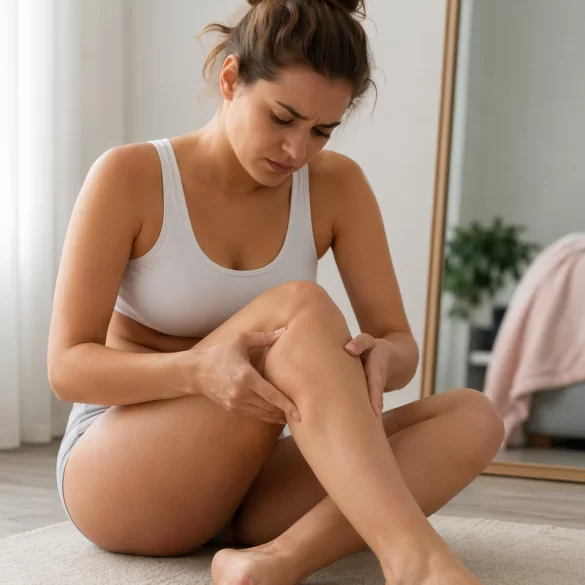
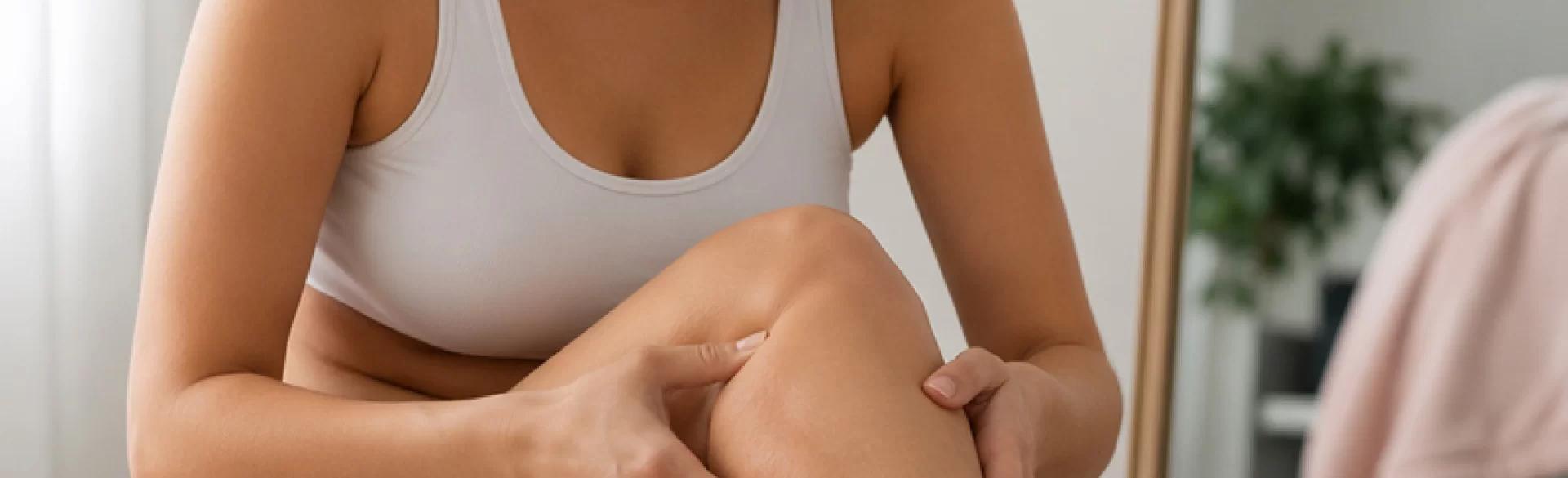
Knee fat is a localized accumulation of adipose tissue in the area of the knee joint, most commonly observed in the anteromedial part of the knees. This phenomenon is both aesthetic and functional in nature, as excess adipose tissue can affect the proportions of the lower limbs and limit the clear definition of anatomical structures. This location belongs to the areas of so-called stubborn fat, which shows less susceptibility to reduction as a result of standard diet and physical activity. The pathogenesis includes hormonal and genetic factors, as well as those related to the distribution of adipose tissue.
Knee fat – causes
Accumulation of adipose tissue in the knee area results from multifactorial metabolic and anatomical mechanisms. A key role is played by regional lipogenesis, i.e., the process of fat deposition in specific areas of the body.
The most important causes include:
- genetic factors - they determine the distribution of adipose tissue and the number of adipocytes (fat cells),
- hormonal imbalances - especially estrogen dominance favoring fat deposition in the lower parts of the body,
- slowed local metabolism - limited blood supply and lower lipolytic activity in the knee area,
- sedentary lifestyle - lack of activation of lower limb muscles promotes fat accumulation,
- aging processes - reduction in skin elasticity and redistribution of adipose tissue.
It is worth emphasizing that adipose tissue in this location is characterized by increased resistance to catecholamines (hormones responsible for lipolysis), which makes its reduction through traditional methods difficult.
Knee fat – how to remove
Fat reduction in the knee area requires a multi-directional approach, including both systemic actions and local procedures. In clinical practice, methods with documented effectiveness in fat tissue reduction and improvement of skin quality are used.
Conservative methods:
- body weight reduction – a negative caloric balance leads to general lipolysis,
- low glycemic index diet – stabilization of insulin levels limits fat deposition,
- physical activity – increasing energy expenditure and improving metabolism.
Aesthetic medicine and cosmetology procedures:
- cryolipolysis – selective damage to adipocytes through controlled cooling, leading to their gradual elimination in metabolic processes,
- injection lipolysis – administration of substances (e.g., phosphatidylcholine, deoxycholate) that cause the breakdown of fat cells and their resorption,
- high-intensity focused ultrasound (HIFU) – mechanical and thermal damage to fat cells and simultaneous tissue contraction,
- Onda Coolwaves – microwave technology acting selectively on adipocytes, leading to their permanent reduction and improvement of skin tension through collagen fiber stimulation,
- radiofrequency (RF) – including technologies such as Reaction RF or Accent Prime – the use of radio wave energy to heat tissues, which intensifies lipolysis and stimulates collagen remodeling,
- VelaShape (a combination of RF, infrared, and vacuum massage) – multi-directional action including fat tissue reduction, improvement of microcirculation, and smoothing of the skin surface,
- endermologie and icoone (vacuum massage) – improvement of lymphatic drainage and fat tissue metabolism, supporting edema reduction and body contouring,
- carboxytherapy – administration of carbon dioxide to improve blood supply, increase lipolysis, and stimulate regenerative processes.
The choice of method depends on the amount of fat tissue, skin quality, and patient expectations. The best results in this area are achieved by combining technologies acting on adipocytes (Onda, cryolipolysis) with techniques improving skin quality (RF, VelaShape) – fat reduction alone without skin tension control often worsens the aesthetics of the knees.
In the case of larger fat deposits, surgical procedures such as liposuction are considered.
Knee fat – exercises
Physical activity supports fat reduction by increasing energy expenditure and improving muscle metabolism. Although the phenomenon of local fat burning in a strict sense (so-called spot reduction) does not exist, exercises targeting the lower limbs affect the aesthetics of this area by increasing muscle tone.
The most effective exercises include:
- squats – engage the quadriceps and gluteal muscles,
- lunges – improve stabilization and shape the lower limbs,
- step-up (stepping onto an elevation) – activates the muscles around the knee,
- seated leg extensions – strengthens the quadriceps muscle,
- interval training (HIIT) – increases overall lipolysis and accelerates metabolism.
Consistency and appropriate training intensity are a key element of effective fat reduction. In combination with aesthetic procedures, exercises allow for a more harmonious knee contour and improved skin tension.

