Long wait for histopathological result
back to main page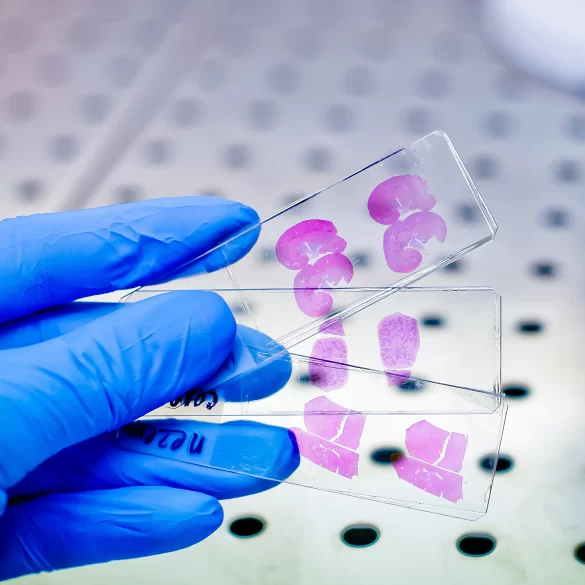
Histopathological examination is one of the most important tools in modern medical diagnostics. It involves the microscopic evaluation of tissues taken from a patient to determine their structure, the nature of any changes, and the possible presence of a neoplastic process. For many people, the key issue is not the examination itself, but the long wait for histopathological results, which causes stress, uncertainty, and numerous questions about further proceedings. The waiting time can vary and depends on several factors: the type of material, the complexity of the analysis, or the need for additional staining. Understanding what a histopathological examination is, how long it takes, and how to interpret its results allows the patient to realistically assess the situation and avoid unnecessary concerns.
Histopathological examination - what is it?
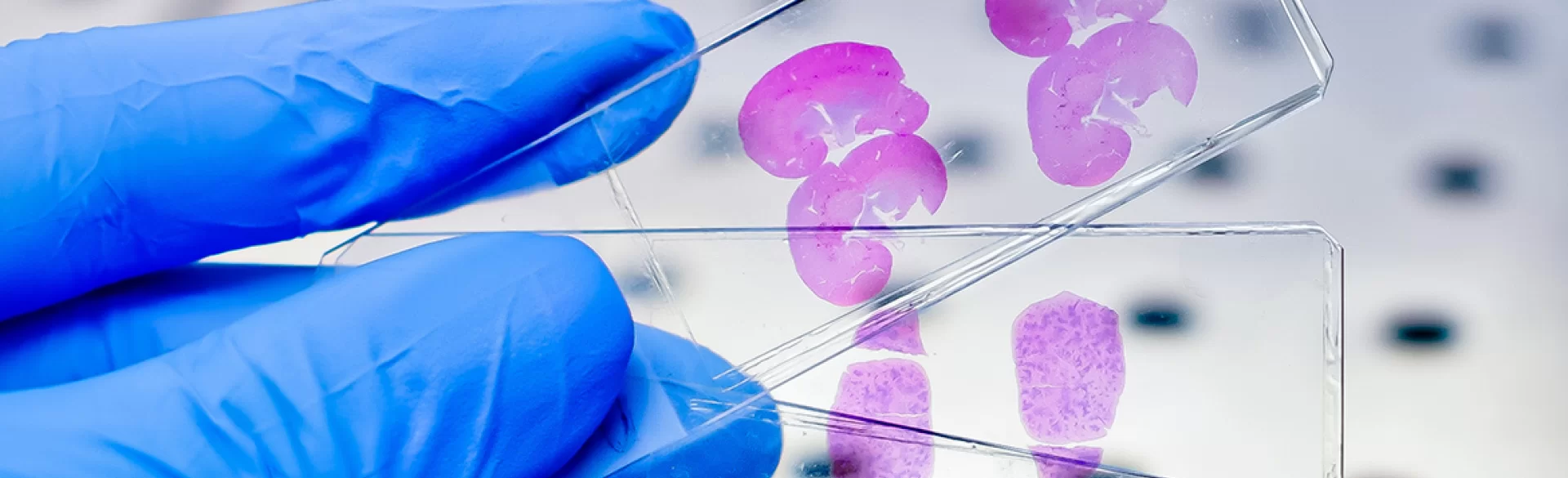
Histopathological examination is a laboratory analysis of tissues obtained during a biopsy, surgical procedure, or minor diagnostic procedure. The biological material is properly fixed, embedded in paraffin, sliced into very thin sections, and stained using special methods to allow for evaluation under a microscope.
The purpose of histopathological examination is to:
- determine the nature of the lesion (benign, precancerous, malignant),
- identify the type of tissue and its degree of differentiation,
- assess surgical margins after the removal of the lesion,
- confirm or exclude a neoplastic, inflammatory, or autoimmune process.
This examination is considered the gold standard in the diagnosis of many diseases because it allows for the evaluation of cell structure, arrangement, and atypical features that cannot be definitively determined in imaging studies.
Histopathological examination – types
In clinical practice, several basic types of histopathological examinations are distinguished, based on the method of material collection and the diagnostic purpose:
- Postoperative Histopathology
Refers to tissues removed during a surgical procedure (e.g., tumor, skin lesion, organ). - Fine-Needle Aspiration Biopsy (FNAB)
Collection of single cells or small tissue fragments – quick but with limited precision. - Core Needle Biopsy
Allows for the assessment of tissue architecture, often used in the diagnosis of breast or liver conditions. - Intraoperative Examination (the so-called "frozen section")
Performed during surgery, provides a preliminary answer within several minutes. - Specialist Examinations
Includes immunohistochemical staining, molecular or genetic testing.
The more advanced the type of examination, the longer and more complex the diagnostic process.
Histopathological examination - how long does it take
The standard waiting time for a histopathological examination result is usually from 7 to 21 working days. However, in practice, this range can vary significantly.
The waiting time is influenced by:
- the amount and type of the collected material,
- the necessity for additional staining,
- the need for consultation with another pathologist,
- the workload of the specific laboratory,
- the complexity of the microscopic image.
In cases requiring immunohistochemistry or molecular studies, the waiting time may extend to several weeks. It is worth emphasizing that a longer analysis time does not imply a worse prognosis — it often indicates thoroughness and the need for careful confirmation of the diagnosis.
Long wait times for test results
The long wait for histopathological results is one of the main causes of patient anxiety. Psychologically, it is a difficult moment – the lack of information fosters gloomy scenarios, although in reality, most results do not confirm cancer.
The most common reasons for the prolonged waiting time are:
- the necessity for a multi-stage diagnostic process,
- ambiguous histological images,
- the need to differentiate between benign and malignant changes,
- implementation of additional confirming methods.
From a medical standpoint, accuracy takes precedence over speed. A misinterpretation of the results carries far more serious consequences than a delay of a few days.
Histopathological examination and patient stress
Waiting for the result of a histopathological examination is associated with significant emotional stress. Patients often experience:
- tension and anxiety,
- sleep problems,
- difficulties with concentration,
- overinterpretation of minor symptoms.
It's important to remember that stress does not speed up the diagnostic process nor affect the test result. From a rational perspective, the best approach is to:
- stay in contact with the attending physician,
- avoid self-interpretation of symptoms and internet forums,
- consider the waiting time as a stage of the medical procedure, not a verdict.
Awareness of the diagnostic process significantly reduces unnecessary tension.
Histopathological examination and cancer – how to interpret its results?
The result of a histopathological examination is a medical document that should be interpreted solely by a physician. It contains specialized terms such as degree of malignancy, histological type, or surgical margins.
The most commonly encountered elements of the report include:
- benign lesion – absence of cancerous features,
- dysplastic lesion – requires observation or treatment,
- malignant tumor – with specification of type and stage,
- information on the clarity of surgical margins.
The mere detection of a tumor does not determine the prognosis. Key factors include:
- histological type,
- stage of advancement,
- growth rate,
- options for surgical and adjuvant treatment.
This is why the result of histopathology is the starting point for further individually tailored treatment, rather than an independent diagnosis functioning in isolation from the entire clinical picture.

