Manual therapy
back to main page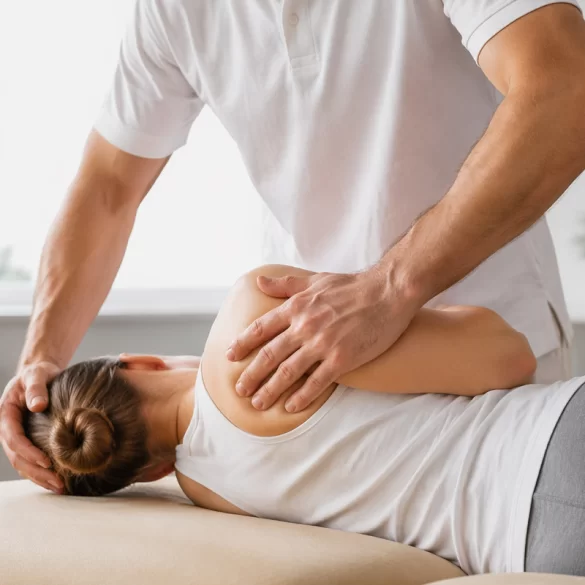
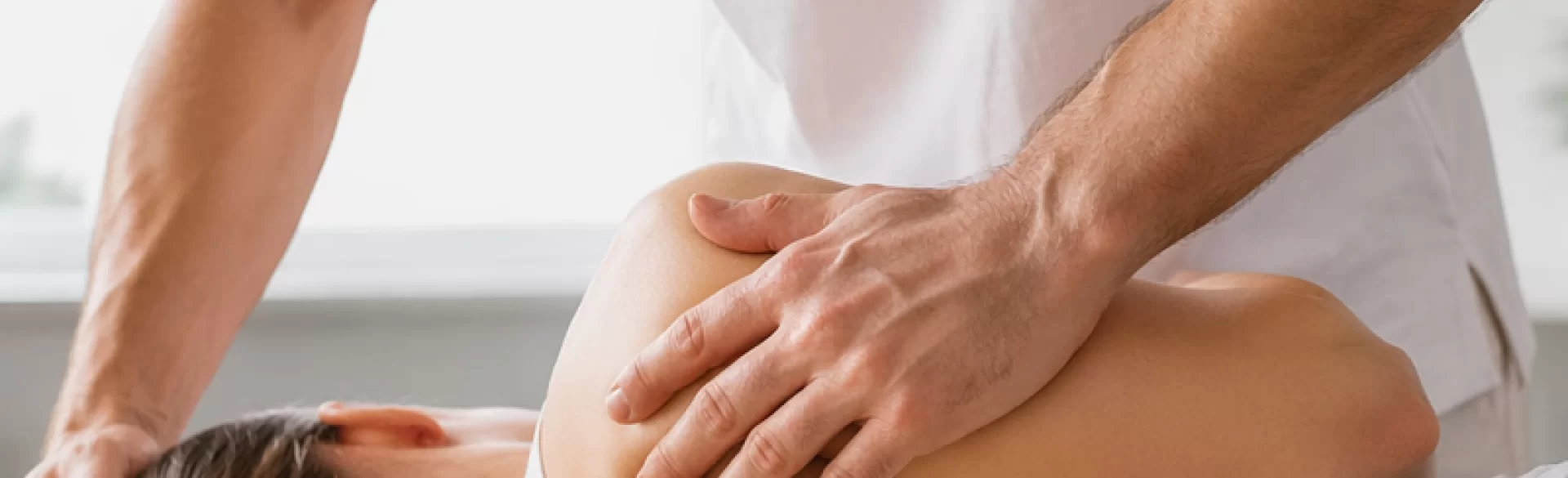
Manual therapy is a specialized form of physiotherapy based on precise techniques performed manually by the therapist, whose goal is to restore the proper function of the musculoskeletal, fascial and nervous systems. This method is based on detailed functional diagnostics and takes into account the biomechanical and neurophysiological interrelationships occurring in the body. Manual therapy is used both in the treatment of pain and in improving range of motion, stabilization and tissue quality. The contemporary approach integrates various therapeutic concepts, allowing for the individualization of therapy and increasing its effectiveness.
Manual therapy – what it involves
Manual therapy involves influencing the body's tissues using the therapist's hands, without the use of devices or pharmacotherapy. Its basis is a thorough functional assessment including:
- analysis of the range of motion in the joints,
- assessment of muscle tone,
- examination of fascial structures,
- assessment of neuromuscular control.
On this basis, appropriate therapeutic techniques are selected, which aim to:
- reduction of pain through modulation of the nervous system,
- restoration of proper joint mobility,
- normalization of muscle tone,
- improvement of tissue gliding relative to each other (especially within the fascia).
The mechanism of action of manual therapy includes both mechanical effects (e.g., tissue relaxation) and neurophysiological effects (influence on pain receptors and proprioception – deep sensation). In practice this means that even small, precise movements can lead to a significant improvement in the body's function.
Manual therapy – techniques
Manual therapy includes a wide range of techniques that differ in intensity, depth of action, and therapeutic goal. The most commonly used include:
1. Joint mobilizations
- performed in a controlled and repeatable manner,
- improve range of motion and reduce stiffness.
2. Manipulations (short-lever techniques)
- quick, precise movements with a small amplitude,
- used to unlock the joint.
3. Soft tissue techniques
- include muscles, fascia, and ligaments,
- reduce tension and improve tissue elasticity.
4. Fascial therapy
- focuses on the fascial system (the connective tissue surrounding body structures),
- improves tissue glide and reduces pain.
5. Neural mobilization techniques
- affect the mobility of neural structures,
- used for conditions with a neurological basis.
6. Muscle energy techniques (MET)
- use the patient's muscle activity to improve joint function,
- particularly effective in correcting muscle imbalances.
The selection of techniques always depends on the individual patient's condition and the nature of the clinical problem.
Manual therapy – indications
Manual therapy is widely used in the treatment of many musculoskeletal dysfunctions and painful conditions. The main indications include:
- spinal pain (cervical, thoracic, lumbar),
- restricted joint mobility,
- muscle and joint overuse syndromes,
- injuries and postoperative conditions (during the recovery phase),
- fascial dysfunctions,
- tension-type and migraine headaches,
- myofascial pain syndromes,
- conditions resulting from poor posture.
Increasingly, manual therapy is also applied in the treatment of functional disorders that do not have a clear structural cause but result from impaired movement control and altered tissue tension.
Manual therapy – contraindications
Despite a high level of safety, manual therapy requires exclusion of certain contraindications. The most important include:
Absolute contraindications:
- acute inflammatory conditions,
- tumors in the treated area,
- recent injuries (e.g. fractures, ligament tears),
- advanced osteoporosis,
- systemic infections,
- joint instability.
Relative contraindications (requiring caution):
- pregnancy (depending on the technique),
- rheumatic diseases in the acute phase,
- bleeding disorders,
- tissue hypersensitivity.
Proper patient qualification is a key element of safely conducting therapy and requires clinical experience and medical knowledge.
Manual therapy in urogynecological physiotherapy
In urogynecological physiotherapy, manual therapy plays a significant role in treating functional disorders of the pelvic floor and related structures. Due to the complex anatomy and function of this area, the therapeutic approach includes both local and global work.
Applications of manual therapy include:
- work with the pelvic floor muscles (normalization of tone - both excessive and reduced),
- scar therapy (e.g., after cesarean section or episiotomy),
- mobilization of the pelvic organs,
- work with the fascia of the abdomen, pelvis, and lumbar spine,
- normalization of intra-abdominal pressure through influence on the diaphragm and deep muscles.
Indications in this field include, among others:
- urinary incontinence,
- pelvic organ prolapse,
- pelvic pain,
- dyspareunia (pain during intercourse),
- diastasis recti,
- postpartum complaints.
Manual therapy often forms part of a comprehensive treatment, which may be supplemented by:
- pelvic floor muscle training,
- biofeedback,
- electrostimulation,
- modern procedures supporting tissue regeneration (e.g., laser therapy, radiofrequency).
The integration of these methods allows for achieving lasting therapeutic effects and improving the quality of life of female patients.

