Nail splitting
back to main page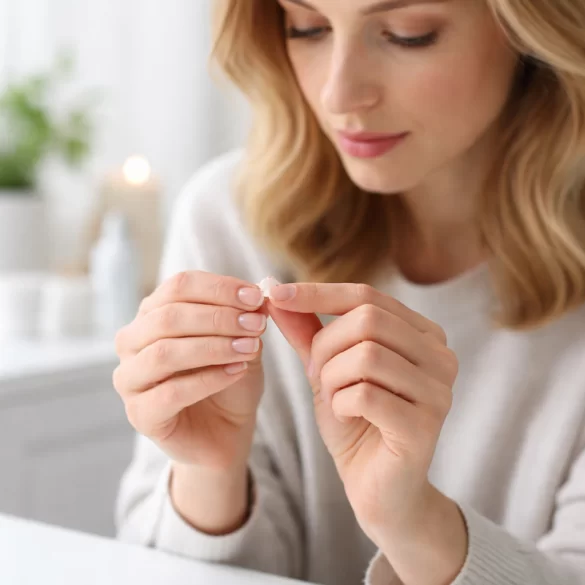
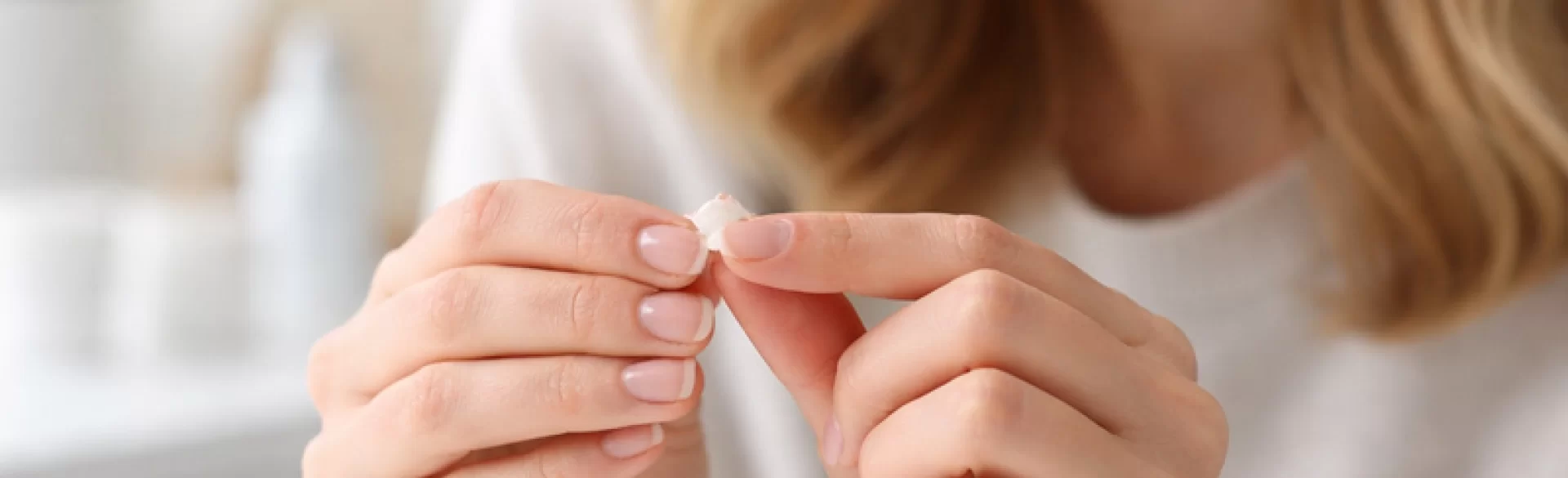
Splitting nails (onychoshisis) is a disorder of the nail plate structure characterized by its layered cracking and splitting along the free edge. This phenomenon results from the damage to the intercellular connections of the keratinocytes that make up the nail plate, leading to a loss of its cohesion, flexibility, and mechanical resistance. The issue may be purely aesthetic, but it can also be a symptom of chronic chemical irritation, nutritional deficiencies, dermatological diseases, or systemic conditions. In clinical practice, nail splitting requires differentiation from onycholysis, nail brittleness, and fungal changes, as the therapeutic approach depends on the underlying cause.
Nail splitting - causes
The nail plate is composed of hard keratin, layered and bonded by disulfide bridges. Any disturbance in the balance between hydration, intercellular lipids, and the integrity of keratin fibers can lead to its splitting.
Common local causes:
- Frequent contact with water and detergents (so-called "wet work") – alternating swelling and drying of the plate.
- Chemical treatments: hybrid styling, acrylics, improper removal of polishes.
- Mechanical injuries – micro-injuries during filing, nail biting.
- Too aggressive disinfecting and degreasing agents for the plate.
Systemic causes:
- Iron deficiencies (especially in iron deficiency anemia).
- Protein and sulfur amino acid deficiencies.
- Zinc, selenium, B-vitamin deficiencies (especially biotin).
- Hormonal disorders – thyroid diseases.
- Advanced age – physiological decrease in lipids in the plate.
It is worth emphasizing that isolated use of supplements without confirmed laboratory deficiency rarely results in lasting improvement. Diagnosis should include a dietary interview, lifestyle analysis, and – in justified cases – blood tests.
Nail splitting – how to treat
The treatment of onychoschisis primarily involves eliminating the damaging factor and rebuilding the lipid barrier of the nail plate. The therapy should be multi-stage.
Basic procedures:
- Protection against water and detergents – using protective gloves.
- Limiting chemical styling for a minimum of 8–12 weeks.
- Using lipid-based products (oils, creams with ceramides, urea in low concentrations of 5–10%).
- Gently shortening nails with a glass or paper file (avoiding metal tools).
Dermatological and podological support:
- specialist treatments that regenerate the nail plate,
- individually selected strengthening products,
- podiatric control in the presence of concurrent deformities.
In the case of confirmed deficiencies, targeted supplementation is indicated (e.g., iron in anemia, biotin 2.5 mg/day in specific clinical cases – according to dermatological literature).
The nail regeneration time is long – full regrowth of hand nails takes an average of 4–6 months, and feet even 9–12 months. The therapy requires consistency and realistic expectations.
Nail splitting - diseases
Splitting nails can be a symptom associated with many medical conditions. In differential diagnosis, the following should be considered:
Dermatological diseases:
- Nail psoriasis – pitting, onycholysis, thickening of the nail plate.
- Lichen planus – longitudinal ridging and thinning.
- Nail fungal infections – discoloration, crumbling, thickening (requires mycological examination).
Systemic diseases:
- Iron deficiency anemia (often coexists with spoon-shaped nails – koilonychia).
- Thyroid diseases (hyperthyroidism and hypothyroidism).
- Malabsorption syndromes (celiac disease, inflammatory bowel diseases).
- Chronic renal failure.
In the case of persistent, severe changes or accompanying general symptoms (weakness, hair loss, weight loss), medical consultation and in-depth diagnostics are necessary.
Specialized procedures and treatments supporting regeneration
For chronic brittleness and splitting of nails, implementing therapies that support the regeneration of hand skin and the nail apparatus can be beneficial.
In clinical practice, the following are used, among others:
- hand regenerative treatments using platelet-rich plasma (PRP),
- needle mesotherapy of the hand skin with nourishing preparations,
- hand skin revitalizing treatments (e.g., tissue stimulators),
- specialized podiatric care in case of coexisting deformities.
At the Ambasad Urody Clinic & SPA in Warsaw, hand revitalization procedures are available, such as needle mesotherapy, platelet-rich plasma, and hand skin regenerating treatments, which indirectly improve the conditions for nail plate growth by stimulating microcirculation and cellular metabolism.

