Perineal pain after childbirth
back to main page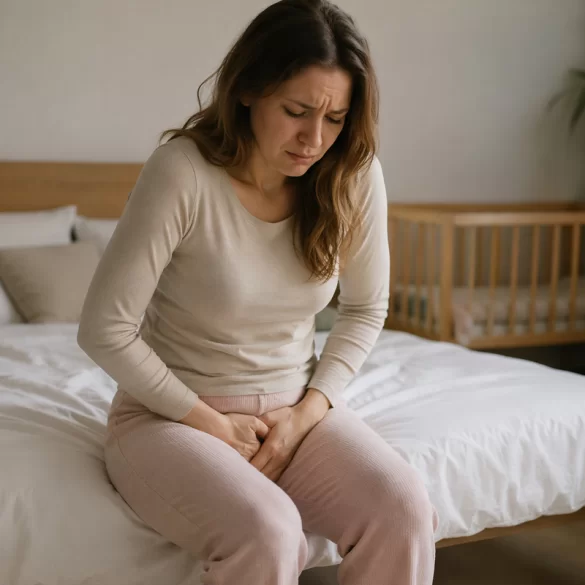
Perineal pain after childbirth is a common complaint experienced by women in the postpartum period, resulting from mechanical stretching, micro-injuries, or intentional incision of tissues during vaginal delivery. The perineum, as the area that includes the pelvic floor muscles, fascia, and soft tissues between the vagina and the anus, plays a key role in stabilizing the pelvic organs and controlling physiological functions. Pain symptoms can vary in intensity — from discomfort to pain of a chronic nature — and usually decrease gradually as the tissues heal. Their character and duration depend on the course of delivery, the degree of injury, and the individual’s regenerative predispositions.
Perineal pain after childbirth – causes
The etiology of perineal pain after childbirth is multifactorial and directly related to the biomechanics of labor and possible obstetric interventions. The most common causes include:
- stretching and microtraumas of the soft tissues – during the passage of the fetal head there is intense stretching of muscles and fascia,
- perineal incision (episiotomy) – a controlled surgical cutting of tissues that requires subsequent healing,
- perineal tears – ranging from minor first-degree injuries to extensive traumas involving muscles and anal sphincters,
- swelling and inflammation – a physiological response of the body to injury,
- hematomas and disturbances of local circulation – can cause intense, pulsating pain.
Additionally, factors such as the newborn's birth weight, the duration of the second stage of labor, the use of vacuum extraction or forceps, and the quality of wound care are important. In some cases, the pain may be neuropathic in nature, associated with irritation or damage to the nerves in the pelvic area.
Perineal pain after childbirth – how long does it last
The duration of perineal pain after childbirth is variable and depends on the degree of tissue damage and the course of the healing process. Under typical conditions:
- mild pain lasts from a few days to about 2-3 weeks,
- after an episiotomy or a second-degree tear symptoms may last 3-6 weeks,
- with extensive injuries (third-fourth degree) the recovery process may extend to several months.
In the first days after childbirth the pain is acute and associated with the inflammatory process. It then progresses to the tissue remodeling phase, during which there may be sensations of pulling, tightness, or tenderness. In some women chronic pain develops, persisting for more than 3 months, which may indicate abnormal healing, the presence of pathological scars, or dysfunction of the pelvic floor muscles.
Perineal pain after childbirth – how to alleviate
Management of perineal pain after childbirth should be multidisciplinary and include both symptomatic measures and those supporting tissue regeneration. The basic methods include:
- hygiene and wound care – regular cleansing, keeping the area dry and using antiseptic preparations,
- cold compresses – reduce swelling and provide pain relief in the first days after childbirth,
- pharmacotherapy – use of analgesic and anti-inflammatory medications according to the doctor's recommendations,
- avoiding excessive strain – limiting prolonged sitting and intense physical activity.
The modern approach also recognizes the importance of functional therapy:
- urogynecological physiotherapy – improves blood flow, flexibility and function of the pelvic floor muscles,
- manual scar therapy – reduces the risk of adhesions and painful symptoms,
- relaxation and breathing techniques – support regulation of muscle tension.
In selected cases, modern methods supporting regeneration are also used, such as procedures using light energy or radiofrequency waves, which influence collagen remodeling and improve tissue quality.
Perineal pain after childbirth – when to see a specialist
Specialist consultation is indicated in situations when the course of convalescence deviates from the physiological. Particular attention should be paid to the following symptoms:
- persistence of severe pain for more than 6-8 weeks,
- increasing symptoms instead of their gradual subsidence,
- signs of infection (redness, swelling, purulent discharge, fever),
- pain during intercourse (dyspareunia) persisting after the postpartum period,
- a feeling of pulling, numbness, or burning, suggesting a neuropathic component.
In such cases a consultation with a gynecologist is indicated, and also — increasingly — with a urogynecological physiotherapist. Early intervention allows the identification of the cause of the problem and the implementation of appropriate therapeutic management, which significantly reduces the risk of chronic complications and improves the patient’s quality of life.
Perineal pain after childbirth – treatment and therapeutic support
In cases of persistent pain symptoms, an integrated therapeutic approach is used, including:
- individually tailored urogynecological physiotherapy,
- scar therapy (manual and technology-assisted),
- treatments supporting tissue remodeling, such as:
- microneedle radiofrequency,
- fractional laser therapy,
- procedures stimulating neocollagenesis (the formation of new collagen fibers).
The goal of therapy is to improve tissue elasticity, reduce pain, and restore proper pelvic floor muscle function. Appropriately selected management allows for effective regeneration and a return to full physical and sexual activity.

