Pigmentation spots
back to main page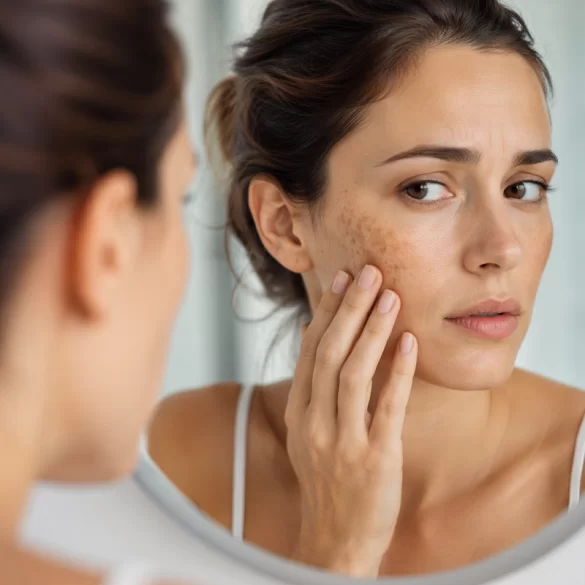

Pigmentation spots are localized skin discoloration disorders resulting from abnormal production, distribution, or accumulation of melanin – the natural pigment responsible for skin color. These changes can take the form of small discolorations or extensive spots of varying shades – from light beige to dark brown. They occur as a result of both physiological processes (e.g., aging) and environmental or hormonal factors. They are most commonly located on the face, hands, and décolletage, which are areas particularly exposed to UV radiation. Although they are usually benign, their presence constitutes a significant aesthetic problem and may indicate skin function disorders.
Pigmentation spots - what they are
Pigmentation spots (hyperpigmentation) are the result of excessive activity of melanocytes - cells responsible for melanin synthesis. Under normal conditions, the process of melanogenesis (melanin production) performs a protective function, safeguarding the DNA of skin cells against damage caused by ultraviolet radiation.
The most common types of pigmentation spots include:
- sunspots (lentigo solaris) - associated with chronic UV exposure,
- melasma (chloasma) - hormonal discolorations, often occurring in women,
- post-inflammatory hyperpigmentation (PIH) - resulting from inflammatory conditions, e.g., acne,
- freckles (ephelides) - genetically determined and intensifying under the influence of the sun.
The mechanism of formation includes:
- increased melanin production,
- abnormal transport of melanin to keratinocytes,
- its accumulation in the epidermis or dermis.
Risk factors include:
- UV radiation and visible light,
- hormonal disorders (pregnancy, contraception),
- skin inflammation,
- genetic predisposition,
- use of photosensitizing medications.
From a dermatological point of view, the depth of discoloration (epidermal, dermal-epidermal, dermal) is of significant importance, as it determines the effectiveness of therapy.
Pigmentation spots - removal
The removal of pigmentation spots is a complex process requiring an individual approach and consideration of the etiology of the lesions. Therapy focuses on reducing excess melanin and normalizing melanocyte function.
Basic therapeutic strategies include:
1. Pharmacological therapy (topical):
- hydroquinone - tyrosinase inhibitor (a key enzyme in melanogenesis),
- azelaic acid - anti-inflammatory and depigmenting effect,
- retinoids - acceleration of cellular renewal,
- vitamin C - antioxidant and brightening effect.
2. Photoprotection:
- daily use of SPF 50+ filters,
- protection against UVA, UVB, and HEV (blue light),
- limiting exposure to solar radiation.
3. Combined therapies:
The highest efficacy is shown by the combination of pharmacological methods with procedural treatments.
It is worth emphasizing that the treatment of hyperpigmentation requires consistency and time - depigmentation processes occur gradually, and recurrences are possible in the absence of proper prophylaxis.
Pigmentation spots - home remedies
Home methods for reducing pigmentation spots are supportive and are used mainly in the case of superficial discolorations. Their effectiveness is limited; however, they can be an element of prevention and skin care.
The most commonly used substances include:
- fruit acids (AHA) – gentle exfoliation of the epidermis,
- vitamin C – brightening and antioxidant effect,
- niacinamide (vitamin B3) – inhibition of melanin transport,
- plant extracts (e.g. licorice, arbutin) – depigmenting effect.
Important rules for home treatment:
- regularity in using preparations,
- avoiding excessive exfoliation, which can intensify discolorations,
- absolute photoprotection.
It should be noted that so-called „natural methods” (e.g. lemon juice, vinegar) can lead to irritation and secondary discolorations, therefore their use is not justified in evidence-based medicine.
Pigmentation spots - treatments
Modern aesthetic medicine offers advanced technologies enabling effective removal of pigmentation spots through selective action on melanin and stimulation of skin renewal.
The most important methods include:
1. Laser therapy and light technologies:
- Q-switched and picosecond lasers – breaking down melanin deposits,
- IPL (intense pulsed light) – reduction of superficial discolorations,
- photorejuvenation – improvement of skin tone and structure.
2. Chemical peels:
- TCA (trichloroacetic acid),
- glycolic, mandelic, salicylic acid,
- medical peels with controlled depth of action.
The mechanism of action involves controlled exfoliation of the epidermis and stimulation of regenerative processes.
3. Treatments stimulating skin regeneration:
- needle and microneedle mesotherapy – improvement of cellular metabolism,
- platelet-rich plasma (PRP) – stimulation of regeneration and tissue reconstruction,
- therapies using growth factors.
4. Technologies using thermal energy:
- radiofrequency (RF) – skin remodeling and improvement of its structure,
- technologies supporting microcirculation and skin metabolism.
Effects of therapy include:
- lightening of discolorations,
- evening out skin tone,
- improvement of skin texture and tension,
- reduction of signs of photoaging.
Selection of the method depends on:
- type and depth of discolorations,
- skin phototype,
- presence of comorbidities,
- patient expectations.
Effective discoloration therapy is based on a multi-directional approach and strict dermatological control.

