Pimples around the mouth
back to main page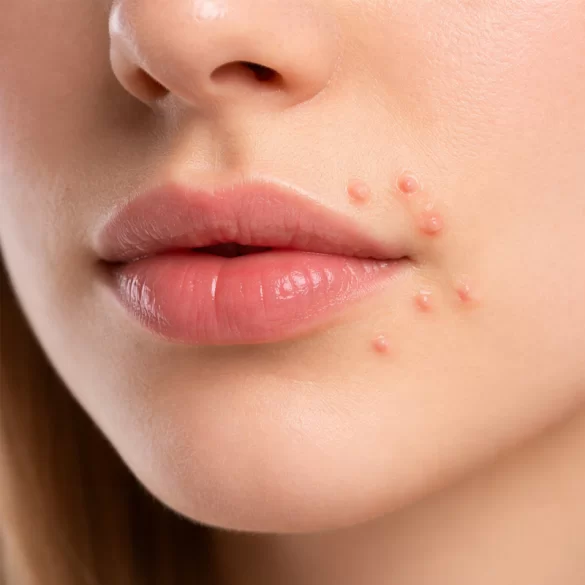
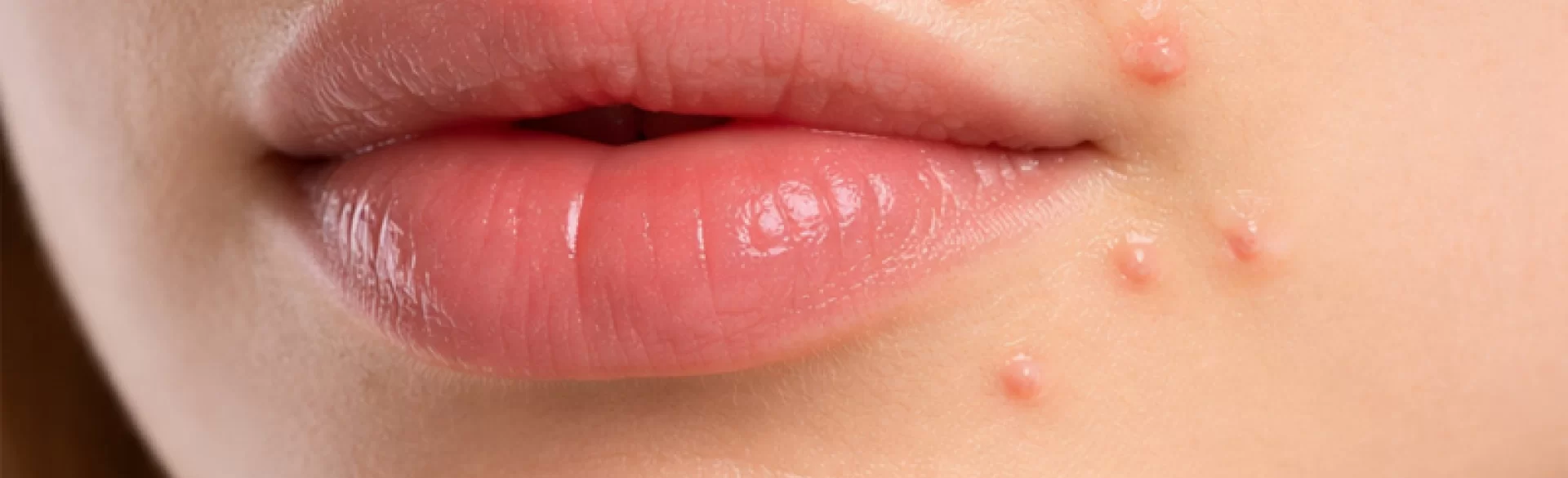
Pimples appearing around the mouth are a common dermatological issue affecting both teenagers and adults. These lesions can be non-inflammatory or inflammatory in nature and may include blackheads, papules, pustules, and sometimes painful subcutaneous nodules. The perioral area is characterized by thin skin, a high number of blood vessels, and constant exposure to irritants such as saliva, cosmetics, food products, or oral hygiene products. Pimples around the mouth may be a symptom of common acne, hormonal acne, perioral dermatitis, or a contact skin reaction. Proper identification of the cause of these lesions is crucial for effective treatment and prevention of recurrence.
Pimples around the mouth – causes
The etiology of pimples around the mouth is multifactorial, involving both local and systemic factors. One of the most common causes is acne vulgaris, related to excessive sebum production, follicular hyperkeratinization, and the development of inflammation.
An important condition in this area is perioral dermatitis, characterized by the presence of small papules and pustules on an erythematous background, usually with a spared margin of skin directly adjacent to the vermillion border. This condition is often associated with prolonged use of topical glucocorticosteroids or excessive skin care.
Other causes include:
- hormonal imbalances, including increased androgen activity,
- contact acne, triggered by components of cosmetics, lipsticks, toothpastes, or oral hygiene products,
- mechanical factors, such as frequent touching of the skin, wearing protective masks,
- systemic factors, including chronic stress, gastrointestinal diseases, and a high glycemic load diet.
It should be noted that popular theories attributing pimples around the mouth to specific internal organ diseases do not have unequivocal confirmation in scientific literature.
Pimples around the mouth – treatment
Treatment of pimples around the mouth should be preceded by proper dermatological diagnosis and assessment of the nature of the lesions. Therapy differs significantly depending on whether we are dealing with acne vulgaris, perioral dermatitis, or a contact reaction.
The basis of treatment is:
- elimination of irritating factors,
- simplification of skin care,
- reconstruction of the epidermal barrier.
Topical treatment includes preparations with the following effects:
- normalizing keratinization process,
- anti-inflammatory,
- regulating the sebaceous glands.
In perioral dermatitis, it is crucial to completely discontinue topical steroids and temporarily limit the use of cosmetics (so-called zero therapy). In more severe cases, systemic anti-inflammatory treatment may be necessary.
Treating pimples around the mouth is a long-term process and requires patience. Aggressive methods, such as mechanical removal of lesions or intensive skin drying, increase the risk of recurrence and the formation of discoloration and scars.
Pimples around the mouth – prevention
Prevention of acne changes around the mouth is based on maintaining skin balance and avoiding factors that contribute to the inflammatory state.
The basic principles of prevention include:
- using gentle, non-comedogenic cleansing products,
- avoiding an excessive number of cosmetics in the lower part of the face,
- regular but gentle skin hygiene,
- limiting touching and licking the mouth area.
It is also important to:
- control the composition of toothpastes and oral care products,
- avoid prolonged use of strong irritating substances,
- ensure a proper diet and reduce stress.
Prevention does not involve eliminating entire groups of food products without medical indications, but rather maintaining stable conditions that support proper skin functioning.
Treatments for pimples around the mouth
In cases of changes resistant to conservative treatment or recurring, specialized procedures performed in the office can complement dermatological therapy.
Procedures used in the treatment of pimples around the mouth include:
- skin cleansing procedures with controlled action,
- chemical peels with low irritating potential,
- laser therapies reducing sebaceous gland activity and erythema,
- regenerative treatments supporting the reconstruction of the epidermal barrier,
- mesotherapy aimed at anti-inflammatory and normalizing effects.
The selection of procedures must consider the particular sensitivity of the perioral area and the risk of irritation. The goal of procedural therapy is not to aggressively remove lesions but to restore the skin's normal physiology and reduce disease recurrence.

