Pimples between the eyebrows
back to main page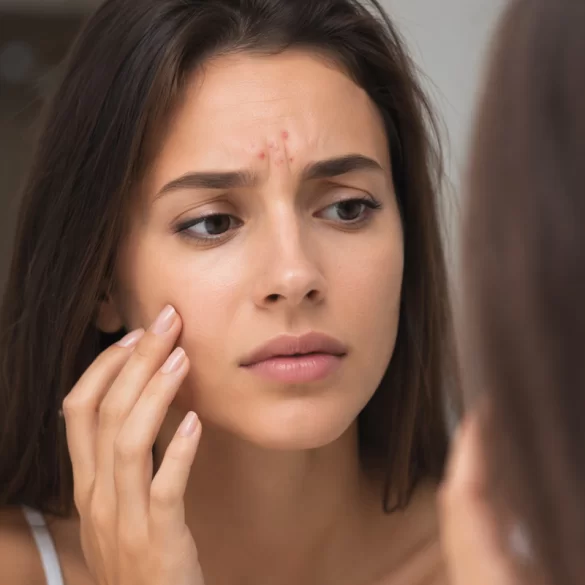
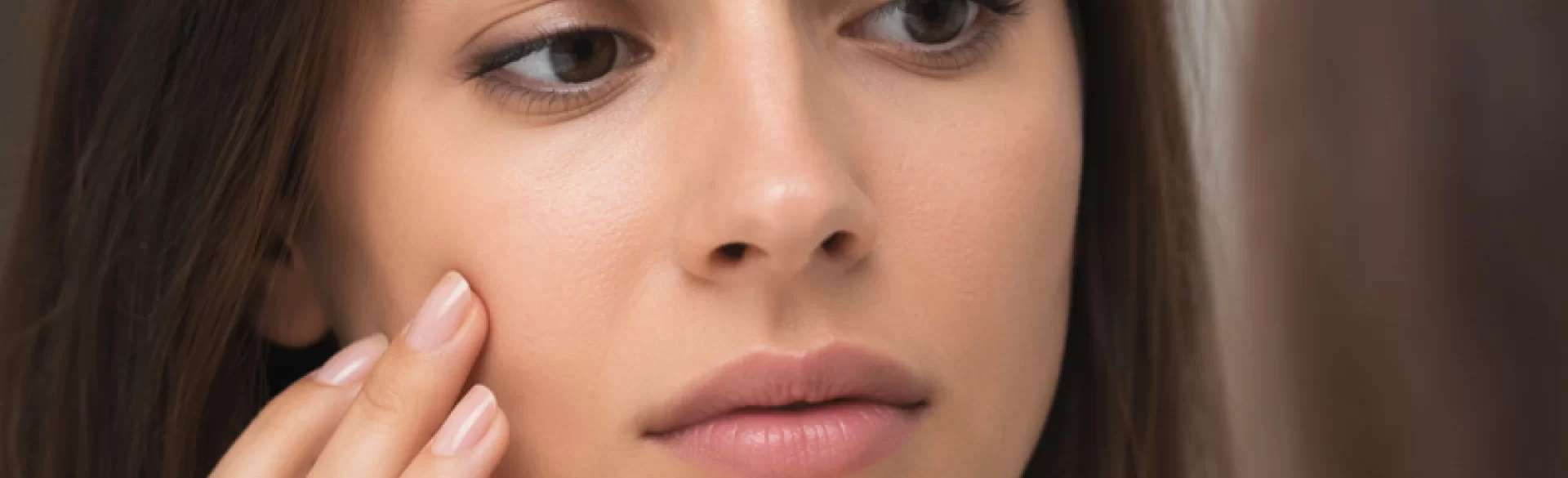
Pimples between the eyebrows are inflammatory or non-inflammatory skin lesions located within the so-called T-zone of the face. They can take the form of comedones, papules, pustules, or cystic lesions and represent a common dermatological problem for both adolescents and adults. Their occurrence is associated with sebaceous gland activity, keratinization disorders of the epidermis, and bacterial colonization. The location between the eyebrows is not accidental – this area is characterized by increased sebum production and susceptibility to external and hormonal factors.
Pimples between the eyebrows – causes
The etiopathogenesis of pustules in the interbrow area is multifactorial and includes both endogenous mechanisms and environmental factors.
The most important causes include:
1. Excessive sebum production (seborrhea)
Sebaceous glands in the T-zone are particularly active. Excess sebum leads to:
- clogging of hair follicle openings,
- formation of comedones,
- promoting the growth of Cutibacterium acnes bacteria.
2. Epidermal keratinization disorders (hyperkeratinization)
Abnormal shedding of epidermal cells causes their accumulation in the hair follicle openings, which promotes the formation of inflammatory lesions.
3. Hormonal factors
Lesions between the eyebrows often correlate with:
- hyperandrogenism (excess androgens),
- hormonal fluctuations (e.g., menstrual cycle, stress),
- disorders of the hypothalamus-pituitary-adrenal axis.
4. Stress and the neuroendocrine axis
Chronic stress increases cortisol secretion, which:
- intensifies sebum production,
- affects inflammatory processes in the skin,
- impairs the healing of lesions.
5. External and skincare factors
- use of comedogenic cosmetics,
- inadequate skin cleansing,
- frequent touching of the face (transferring bacteria),
- environmental pollution.
6. Dermatological and systemic conditions
In some cases, pustules between the eyebrows may coexist with:
- acne vulgaris,
- seborrheic dermatitis,
- metabolic disorders.
Contrary to popular belief, the location of skin lesions (e.g., so-called “face mapping”) is not a reliable diagnostic tool for internal organ diseases, although it may reflect the general state of hormonal balance and lifestyle.
Pimples between the eyebrows – treatment
Therapeutic management should depend on the type of lesions, their severity, and causes. Treatment includes both dermatological therapy and modification of skincare and lifestyle.
1. Topical treatment (pharmacological)
The basis of therapy consists of preparations applied directly to the skin:
- retinoids (normalization of keratinization),
- benzoyl peroxide (antibacterial effect),
- azelaic acid (anti-inflammatory and sebostatic effect),
- topical antibiotics (in justified cases).
2. Systemic treatment
In cases of high severity, the following are used:
- oral antibiotic therapy,
- isotretinoin (in severe forms of acne),
- hormonal therapy (e.g., hormonal contraception in women).
3. Procedural therapies in aesthetic medicine and dermatology
In clinical practice, procedures supporting the treatment of lesions in the interbrow area are increasingly being used:
- chemical peels (AHA, BHA, PHA acids) – epidermal exfoliation, reduction of comedones and inflammation,
- laser therapy and IPL light – antibacterial effect and reduction of seborrhea,
- microneedling mesotherapy – stimulation of regeneration and improvement of skin structure,
- manual and hydrogen cleansing – removal of comedones and excess sebum,
- radiofrequency therapies (e.g., INDIBA) – improvement of microcirculation and repair processes,
- LED light therapies – anti-inflammatory and regulating effect.
In facilities such as Ambasada Urody Clinic & SPA, a comprehensive approach combining various technologies is used, which increases the effectiveness of therapy and shortens treatment time.
4. Home care
A key element of treatment is a proper skincare routine:
- gentle but effective skin cleansing (twice daily),
- use of non-comedogenic cosmetics,
- regular exfoliation (enzymatic or chemical),
- avoiding excessive skin dryness (which paradoxically intensifies seborrhea),
- sun protection (SPF).
5. Lifestyle modification
Although the impact of diet on acne is not definitive, studies indicate the importance of:
- a low-glycemic index diet,
- limiting highly processed products,
- adequate sleep and stress reduction.
Clinical summary:
Pustules between the eyebrows are the result of complex processes involving sebum overproduction, keratinization disorders, and inflammation. Effective treatment requires a multidirectional approach – combining dermatological therapy, proper care, and, in many cases, modern supporting procedures.

