Pimples in the mouth
back to main page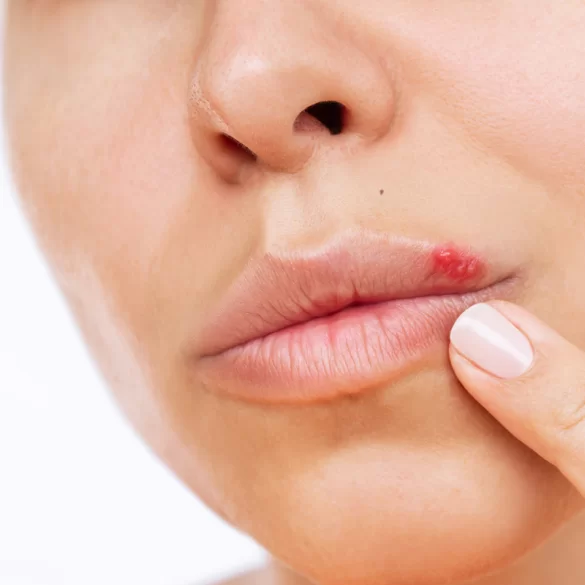
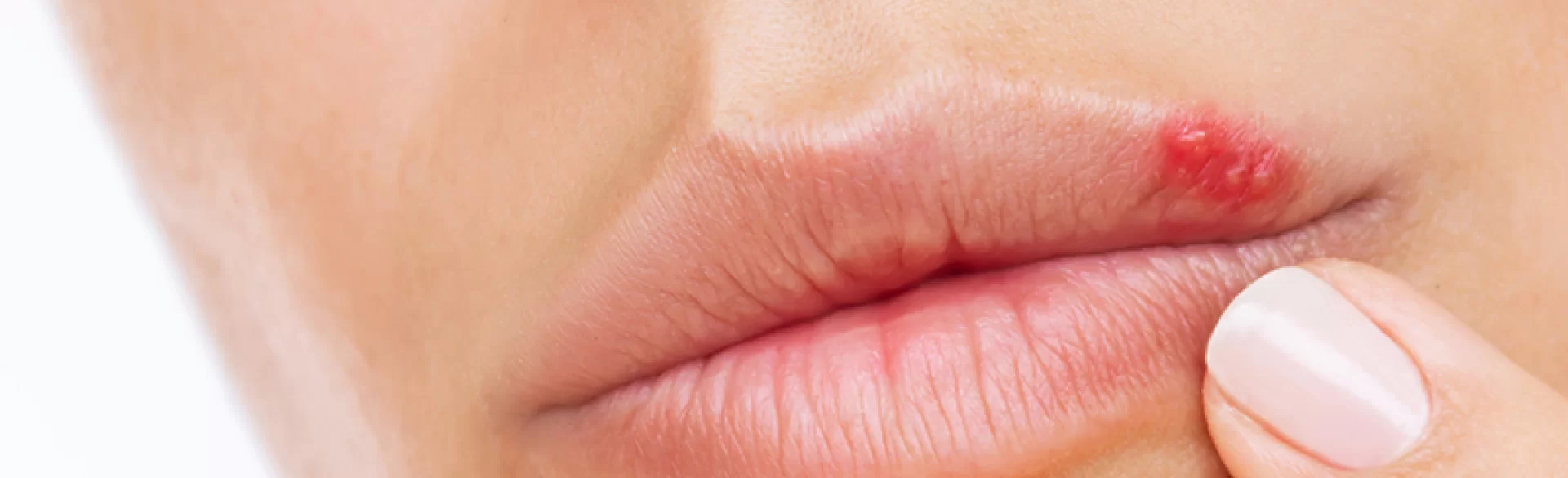
Pimples in the mouth are a colloquial term for various inflammatory and pathological lesions appearing on the oral mucosa. They may take the form of papules, vesicles, pustules, erosions, or small ulcers and occur on the tongue, gums, palate, lips, and the inner surface of the cheeks. Unlike the skin, the oral mucosa does not contain typical sebaceous glands or hair follicles, so classic acne lesions do not occur in this area. The appearance of pimples in the mouth usually indicates an inflammatory, infectious, traumatic, or immunological process. In some cases they may also be a sign of systemic diseases, nutritional deficiencies, or immune disorders.
Pimples in the mouth — what causes them?
The causes of pustular and papular lesions in the oral cavity are very diverse. In clinical practice they most often result from infections, minor mucosal injuries, or the body's immunological reactions.
The most common causes include:
1. Recurrent aphthae (stomatitis aphthosa)
This is one of the most common diseases of the oral mucosa. It manifests as painful erosions with a whitish base and a red border. Predisposing factors include:
- stress and fatigue,
- mechanical injuries,
- deficiencies of vitamin B12, iron, or folic acid,
- genetic predisposition.
2. Viral infections
Viruses are a common cause of vesicles and pustules in the oral cavity. The most frequent are:
- herpes simplex virus HSV-1 – causes painful vesicles that progress to erosions,
- Coxsackie viruses – causing hand, foot, and mouth disease,
- varicella‑zoster virus.
3. Bacterial infections
Suppurative lesions may be associated with bacterial inflammation of the gums or periodontal tissues. They present with:
- gum swelling,
- purulent pustules or blisters,
- pain while eating.
4. Oral candidiasis
This is a fungal infection caused by yeasts of the genus Candida. It presents as white coatings that, when wiped away, reveal a reddened surface of the mucosa. The disease occurs more often in people who are:
- after antibiotic therapy,
- with diabetes,
- with decreased immunity.
5. Mechanical injuries
Damage to the mucous membrane can lead to the formation of painful inflammatory lesions. The most common causes are:
- biting the cheek or tongue,
- sharp tooth edges,
- orthodontic appliances or dentures.
Pustules in the mouth and systemic diseases
In some cases, changes in the oral cavity are a manifestation of diseases affecting the entire body. The oral mucosa is very sensitive to metabolic and immunological disturbances, which is why changes appear there relatively early.
Diseases that can cause blisters or ulcers in the oral cavity include, among others:
- Crohn's disease,
- celiac disease,
- iron deficiency anemia,
- systemic lupus erythematosus,
- oral lichen planus,
- autoimmune blistering diseases.
In these cases, oral lesions are often chronic and recurrent. They are also accompanied by other systemic symptoms, such as fatigue, weight loss, or digestive disturbances.
Pimples in children's mouths
Oral lesions in children occur relatively often and are usually infectious in nature. They are most often associated with viral illnesses of childhood.
Typical causes include:
- hand, foot and mouth disease caused by Coxsackie viruses,
- herpetic stomatitis,
- aphthous stomatitis,
- thrush (candidiasis) in infants.
Associated symptoms may include:
- fever,
- difficulty eating and swallowing,
- excessive drooling,
- irritability.
In most cases these conditions are self-limiting, but if symptoms are severe a consultation with a pediatrician or dentist is necessary.
Pimples in the mouth – how to get rid of them
Treatment of mouth sores depends primarily on the cause of their occurrence. In many cases the lesions resolve spontaneously within a few days, however treatment can shorten healing time and reduce pain.
Local management includes:
- antiseptic preparations (e.g., chlorhexidine),
- pain-relief gels containing lidocaine,
- preparations with hyaluronic acid that accelerate regeneration of the mucous membrane,
- topical glucocorticosteroids used in aphthous ulcers and inflammatory conditions.
Depending on the cause, systemic treatment is also used:
- antiviral drugs (e.g., acyclovir for herpes),
- antifungal drugs for candidiasis,
- antibiotics for bacterial infections,
- supplementation of vitamin and micronutrient deficiencies.
Appropriate prevention is also important. It is recommended to:
- maintain proper oral hygiene,
- avoid very hot, acidic, and spicy foods,
- treat dental and gum diseases,
- eliminate factors that irritate the mucous membrane.
If the lesions persist for longer than 2–3 weeks, enlarge, or are accompanied by bleeding, you should see a doctor. In such situations more detailed diagnostics may be necessary, including laboratory tests or a biopsy of the lesion to rule out oral cancer.

