Bumps on the head
back to main page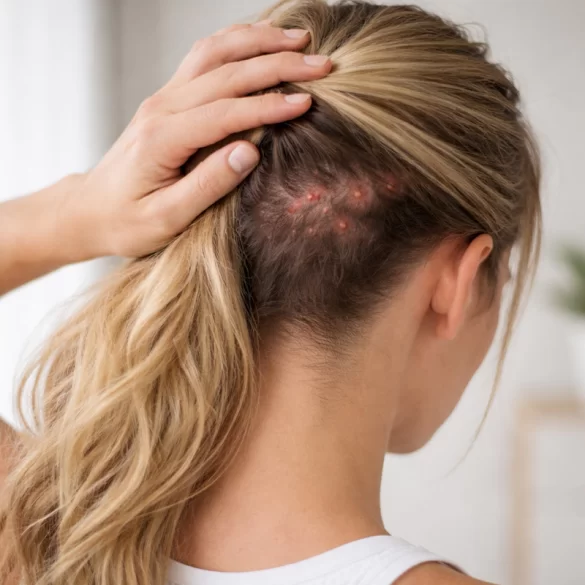
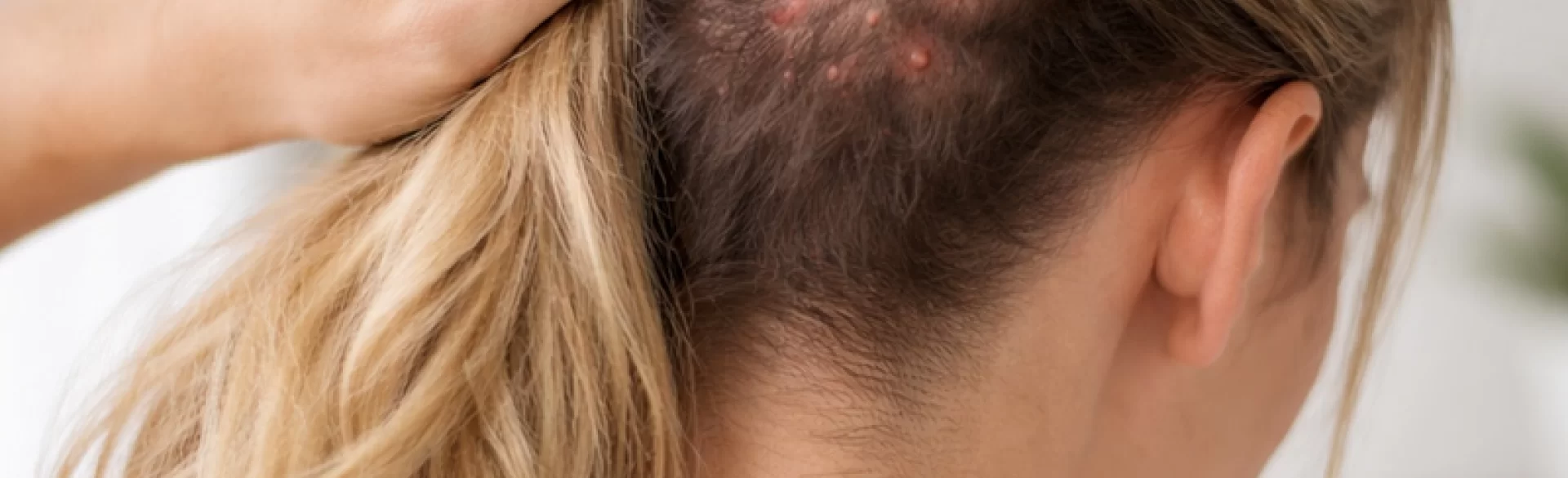
Pimples on the scalp are skin lesions located within the hairy skin that can be inflammatory, purulent, papular, or vesicular in nature. They are most often a symptom of disorders of the hair follicles, excessive sebum production, bacterial or fungal infections, as well as dermatological diseases with an inflammatory or autoimmune basis. The scalp, due to its large number of sebaceous glands and the presence of hair, provides an environment conducive to the colonization of microorganisms. Individual pimples are usually mild in nature, but recurring, painful, or widespread lesions require dermatological diagnostics, as they can lead to complications, including permanent damage to hair follicles and scarring alopecia.
Bumps on the Head – Causes
The etiology of pustular lesions on the scalp is multifactorial. The most common causes include:
1. Folliculitis
- Most commonly caused by Staphylococcus aureus
- Occurs due to micro-injuries, excessive sweating, friction
- Presents as small, painful pustules with a purulent plug
2. Scalp Acne
- Related to excess sebum production and colonization by Cutibacterium acnes
- Common in individuals with facial and back acne
- May take the form of deep inflammatory lesions
3. Seborrheic Dermatitis (SD)
- Chronic inflammatory disease associated with hyperreactivity to Malassezia yeast
- Accompanied by itching, redness, and greasy scaling
- Infection by dermatophytes (e.g., Microsporum, Trichophyton)
- More common in children
- Can cause areas of hair loss
5. Contact Reactions
- Allergy or irritation from dyes, hairsprays, dry shampoos
- Symptoms typically appear 24–72 hours after exposure
6. Inflammatory and Autoimmune Diseases
- Lichen planopilaris
- Discoid lupus erythematosus
- Scalp psoriasis
Predisposing factors:
- Chronic stress (impact on the HPA axis),
- Hormonal disorders,
- Improper hygiene or excessive washing with aggressive detergents,
- Wearing tight headgear,
- Immunosuppression.
Pimples on the scalp – home remedies
For mild, single lesions, supportive care can be implemented. However, it should be emphasized that home methods do not replace causal treatment, especially when the lesions recur.
Care recommendations:
- Washing the scalp with a mild shampoo with physiological pH (5.5)
- Avoiding irritating detergents (SLS, SLES)
- Limiting thermal styling
- Regularly changing towels and pillowcases
Supportive preparations:
- Shampoos with ketoconazole (antifungal action)
- Zinc PCA – reduction of sebum production
- Salicylic acid – keratolytic action
- Compresses with saline solution in case of purulent lesions
What not to do:
- Do not squeeze pimples – risk of spreading the infection
- Do not use alcohol or strong drying agents
- Do not mask lesions with heavy styling cosmetics
If the lesions persist for more than 7–10 days, worsen, or are accompanied by pain, swelling, and fever – a dermatological consultation is necessary.
Scalp pimples – how to treat
Treatment depends on the cause and nature of the changes. Management should be preceded by a clinical assessment, and in some cases, microbiological examination.
Pharmacological Treatment
In bacterial inflammation:
- topical antibiotics (mupirocin, clindamycin),
- in severe cases, oral antibiotic therapy.
In fungal infections:
- systemic treatment (terbinafine, itraconazole),
- concurrently, antifungal shampoos.
In seborrheic dermatitis:
- preparations with ketoconazole,
- short-term topical glucocorticosteroids,
- calcineurin inhibitors.
In autoimmune diseases:
- immunomodulating treatment under the supervision of a dermatologist.
In the case of chronic inflammation and weakening of hair follicles, it is worth considering therapies that improve microcirculation and tissue regeneration, such as:
- Scalp mesotherapy (preparations with peptides, growth factors, amino acids)
- Platelet-rich plasma (PRP) – stimulation of cellular renewal
- Radiofrequency (RF) therapies that improve blood circulation and cellular metabolism
- INDIBA® – 448 kHz therapy supporting regenerative and anti-inflammatory processes
The aim of the therapy is to:
- reduce chronic inflammation,
- improve skin trophism,
- support the reconstruction of hair follicles,
- limit the risk of secondary baldness.
- rapid enlargement of painful lumps,
- purulent discharge and swelling,
- patches of hair loss,
- general symptoms (fever, enlarged lymph nodes),
- lack of improvement despite treatment.

