Pimples on the nose
back to main page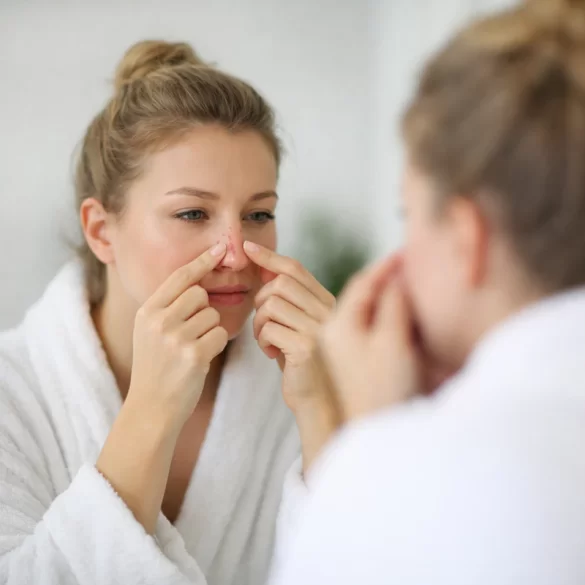
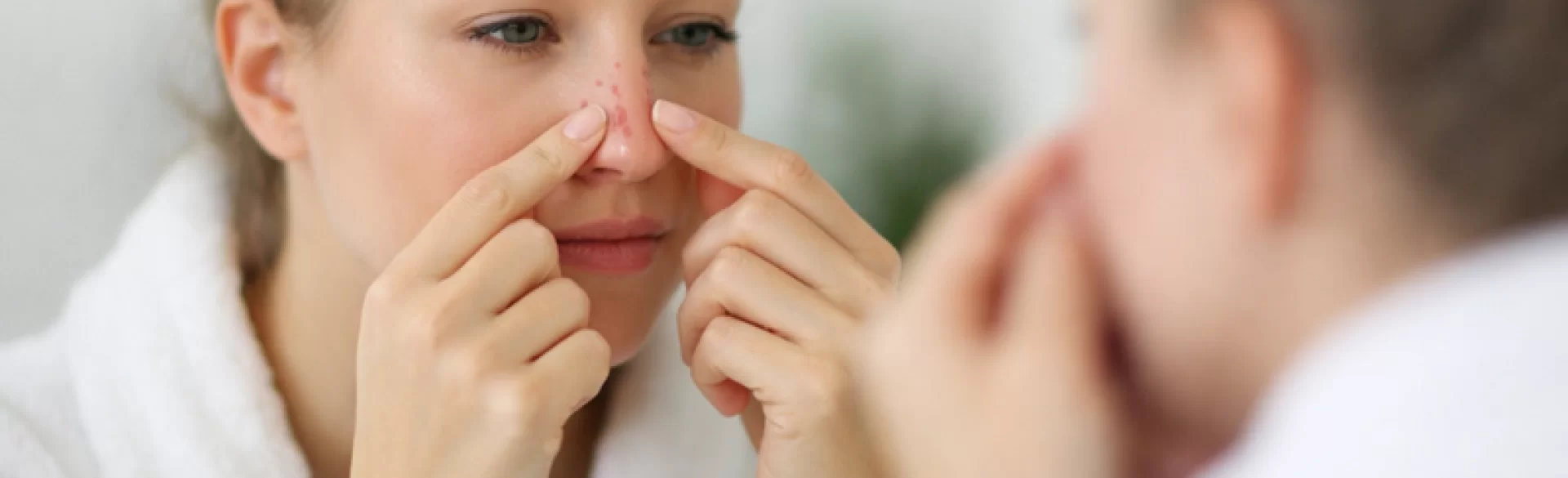
Pimples on the nose are skin lesions of an inflammatory or non-inflammatory nature, located within the skin of the nose—most commonly on its dorsal part and wings. They can manifest as comedones (open and closed), papules, pustular pimples, and in more severe cases - inflammatory nodules. The nose is part of the so-called T-zone of the face, characterized by increased activity of sebaceous glands, which predisposes to the formation of acne lesions. Due to the specific vascularization of this area (the so-called "danger triangle" of the face), improper handling of lesions can lead to local and systemic complications. These changes may be part of common acne, rosacea, folliculitis, or a manifestation of hormonal disorders.
Pimples on the Nose – Causes
The etiology of pimples on the nose is multifactorial and includes both local and systemic factors.
Common Causes:
-
Excessive sebum production – sebaceous glands in the nose area are particularly active; excess sebum promotes the clogging of hair follicle openings.
-
Hyperkeratinization of hair follicle openings – excessive keratinization leads to the formation of comedones.
-
Colonization by Cutibacterium acnes – an anaerobic bacterium involved in the development of inflammation.
-
Hormonal changes – hyperandrogenism, menstrual cycle, polycystic ovary syndrome (PCOS).
-
Stress and hypercortisolemia – affect the activity of sebaceous glands and the skin's inflammatory response.
-
Improper skincare – use of comedogenic cosmetics, lack of thorough cleansing.
-
Mechanical factors – pressure from glasses, frequent touching of the nose, protective masks (acne mechanica).
-
High glycemic index diet – increases insulin and IGF-1 levels, exacerbating seborrhea.
In differential diagnosis, consider:
-
rosacea (especially on the nose),
-
folliculitis,
-
boils (Staphylococcus aureus infection),
-
perioral dermatitis.
Chronic, recurrent changes in the nose area require dermatological assessment, especially if accompanied by pain, swelling, or general symptoms.
Pimples on the nose – is it okay to squeeze them?
Squeezing pimples on the nose is an action that carries a significant risk of complications. The area of the nose belongs to the so-called nasolabial triangle, which has venous connections to the cavernous sinus of the brain. An infection spreading via the venous route can, in extreme cases, lead to cavernous sinus thrombosis – a life-threatening condition.
Potential consequences of squeezing:
-
spreading bacteria to deeper layers of the skin,
-
formation of a boil or abscess,
-
increased inflammation and swelling,
-
permanent acne scars,
-
post-inflammatory hyperpigmentation (PIH).
From a medical point of view:
-
It is not recommended to independently squeeze inflammatory lesions, especially deep and painful ones.
-
Removal of blackheads should be carried out in clinical conditions, adhering to aseptic principles.
-
In the case of painful, increasing swelling, medical consultation is necessary and the possible initiation of local or systemic antibiotic therapy.
Treatment should be aimed at reducing inflammation and regulating the function of sebaceous glands, rather than mechanically emptying the lesion.
Acne on the Nose – Home Remedies
Home methods can have a supportive role in mild forms of non-inflammatory changes. However, it should be emphasized that they do not replace dermatological therapy in cases of moderate or severe acne.
Recommended skincare actions:
-
Gentle skin cleansing (2× daily) with products having a pH close to physiological.
-
Use of products with salicylic acid (BHA) – acts keratolytically and sebum-regulating.
-
Niacinamide (vitamin B3) – reduces sebum production and inflammation.
-
Topical retinoids (e.g., adapalene) – normalize the keratinization of hair follicle openings.
-
Avoiding comedogenic cosmetics and heavy foundations.
What to avoid:
-
use of alcohol and strong drying agents,
-
applying toothpaste (no scientific basis),
-
aggressive mechanical exfoliations.
In case of suspected rosacea, it is advisable to avoid vasodilators (alcohol, spicy foods, high temperature).
Acne on the Nose – How to Combat It
Effective treatment of pimples on the nose requires causal therapy, tailored to the type and severity of the changes.
Dermatological management may include:
-
Topical treatment:
-
retinoids,
-
benzoyl peroxide,
-
topical antibiotics,
-
azelaic acid.
-
-
Systemic treatment (in justified cases):
-
oral antibiotics,
-
hormonal treatment,
-
isotretinoin.
-
Dermatological and aesthetic procedures used in the therapy of nasal changes:
-
medical peels (salicylic acid, azelaic acid, pyruvic acid),
-
manual cleansing under aseptic conditions,
-
high-tech cleansing (e.g., hydrodermabrasion),
-
laser therapy reducing inflammation and post-inflammatory erythema,
-
LED light therapy.
At the Ambasadę Urody Clinic & SPA, medical peels, high-tech cleansing, and LED light therapy are used as elements of comprehensive acne skin management.
Crucial importance lies in:
-
regularity of therapy,
-
individualization of the treatment protocol,
-
control of systemic factors (hormones, diet, stress),
-
appropriate home care.
In the case of recurring changes, painful nodules, or the coexistence of fixed erythema, in-depth dermatological, and sometimes endocrinological diagnostics are necessary.

