White-headed pimples
back to main page
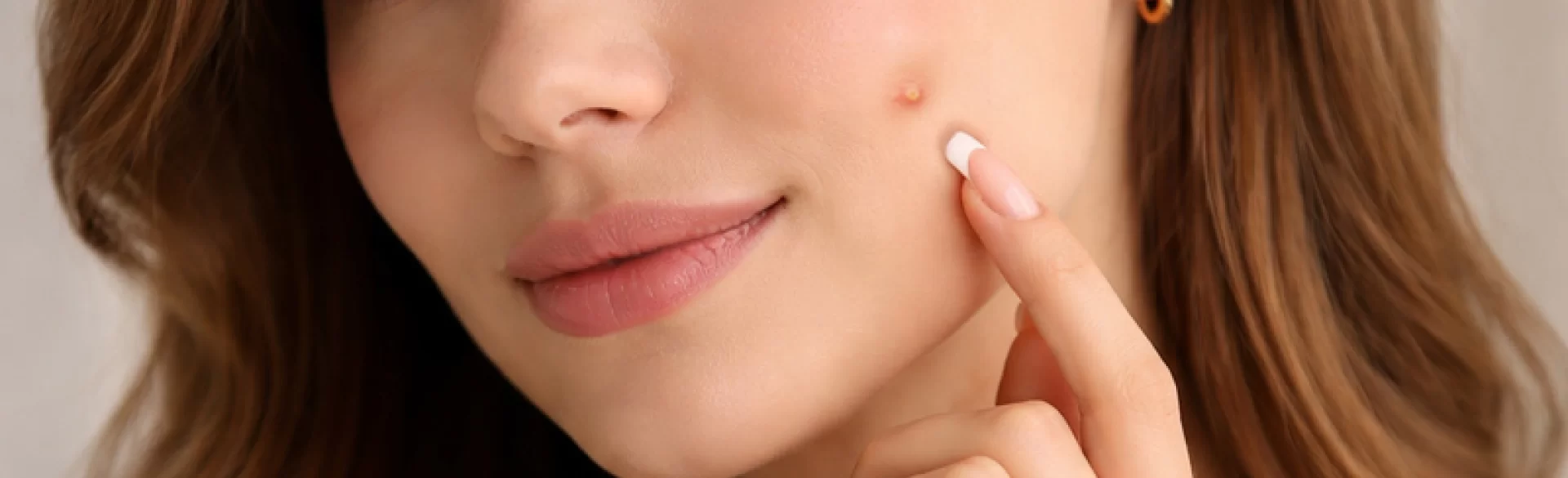
White-headed pustules are the colloquial term for skin lesions referred to in dermatology as pustules (pustule) – eruptions containing purulent material visible beneath a thin layer of the epidermis. They most often arise as a result of inflammation of the hair follicle and sebaceous gland, when sebum, dead epidermal cells and bacteria accumulate in the pore opening. The whitish tip of the lesion is actually the accumulated purulent content, which consists of leukocytes, bacteria and tissue breakdown products. Pustules of this type are a typical sign of many dermatoses, primarily acne vulgaris, but they can also occur in folliculitis, bacterial skin infections or in some inflammatory skin diseases.
White-headed pustules – localization
White-headed pimples most often appear in areas where the skin contains a large number of sebaceous glands and where the openings of hair follicles are easily blocked. In such locations sebum production is particularly intense, which promotes the development of inflammatory lesions.
The most common areas include:
- face – especially the forehead, nose, chin and perioral area (the so-called T-zone),
- back – the skin of the back contains some of the largest concentrations of sebaceous glands,
- chest,
- arms and shoulders,
- scalp,
- genital area and groin – especially after hair removal or with increased sweating.
The location of lesions often depends on their cause. In common acne pimples predominate on the face and upper trunk, whereas in bacterial folliculitis they can appear anywhere hair follicles are present.
Environmental factors and lifestyle also influence the occurrence of pimples in certain areas, such as:
- excessive sweating,
- wearing tight clothing,
- use of comedogenic cosmetics,
- chronic friction of the skin,
- hormonal disorders that increase sebum production.
In dermatological practice the distribution of skin lesions is an important diagnostic element, because it helps differentiate among various skin diseases.
Pimples with a white tip – what do they look like
Pustules with a white tip have a characteristic appearance, making them relatively easy to recognize. In dermatology they are referred to as pustules (pustule) – superficial inflammatory lesions of the skin filled with purulent material. In everyday language they are often also called "white pimples" or "pimples with a white head".
A typical pustule of this type consists of two elements: a reddened base and a pale tip that contains purulent content. The white or yellowish "head" forms as a result of the accumulation of:
- leukocytes (immune system cells),
- bacteria,
- fragments of dead epidermal cells,
- sebum produced by the sebaceous glands.
Pustules most commonly have a diameter of 1 to 5 mm and take the form of a small, raised bump on the skin surface. Around the lesion an inflammatory erythema is usually visible, that is, redness indicating an active inflammatory state.
The most common features of pustules with a white head include:
- a white or yellowish tip of the lesion,
- redness of the skin around the pustule,
- mild swelling and tenderness to the touch,
- the possibility of multiple lesions occurring simultaneously.
In the course of common acne pustules often appear alongside other skin lesions, such as:
- open comedones (blackheads),
- closed comedones,
- inflammatory papules,
- deeper inflammatory nodules.
In folliculitis a pustule usually develops directly at the opening of the hair follicle, which is why a hair is often visible in its center.
Most pustules with a white tip heal spontaneously within a few days and do not leave permanent marks. However, if the lesions are severe, frequently picked at, or chronic, they can lead to post-inflammatory discoloration and post-acne scarring.
Pimples with a white head – how to get rid of them
Treatment of white‑headed pimples depends primarily on the cause of their development and the severity of the skin lesions. In most cases they are a symptom of acne or folliculitis and require therapy aimed at reducing inflammation and regulating sebaceous gland activity.
The basic dermatological approaches include:
Topical treatment
The most commonly used products have the following actions:
- antibacterial (e.g., benzoyl peroxide),
- keratolytic (salicylic acid, retinoids),
- anti-inflammatory.
Their purpose is to unblock hair follicle openings, limit bacterial proliferation, and reduce skin inflammation.
Dermatological treatment
In more severe cases, a doctor may prescribe:
- topical or systemic antibiotics,
- retinoids,
- hormonal treatment (for selected patients).
Dermatological and cosmetic procedures
Modern aesthetic dermatology offers many procedures that support the treatment of inflammatory skin lesions and improve skin texture. The most commonly used include:
- chemical peels with acids (e.g., salicylic, mandelic or azelaic), which regulate epidermal keratinization,
- skin‑cleansing treatments, allowing removal of impurities and excess sebum,
- laser and light therapies, which have antibacterial and anti‑inflammatory effects,
- procedures that regulate sebaceous gland function and improve skin regeneration.
An important element of therapy is also proper skin care:
- using gentle cleansing products,
- avoiding comedogenic cosmetics,
- regular exfoliation,
- not touching or squeezing inflammatory lesions.
Manually popping pimples can lead to spread of bacteria, worsening of inflammation and formation of scars, so in cases of recurrent lesions a dermatological consultation is recommended.

