Pustular pimples on the thighs
back to main page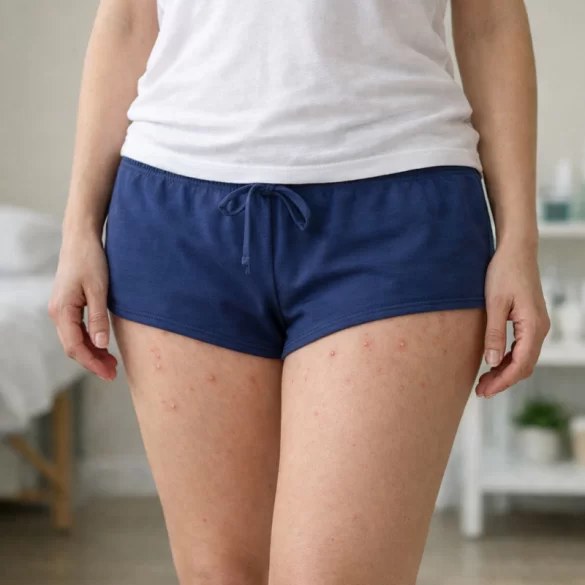
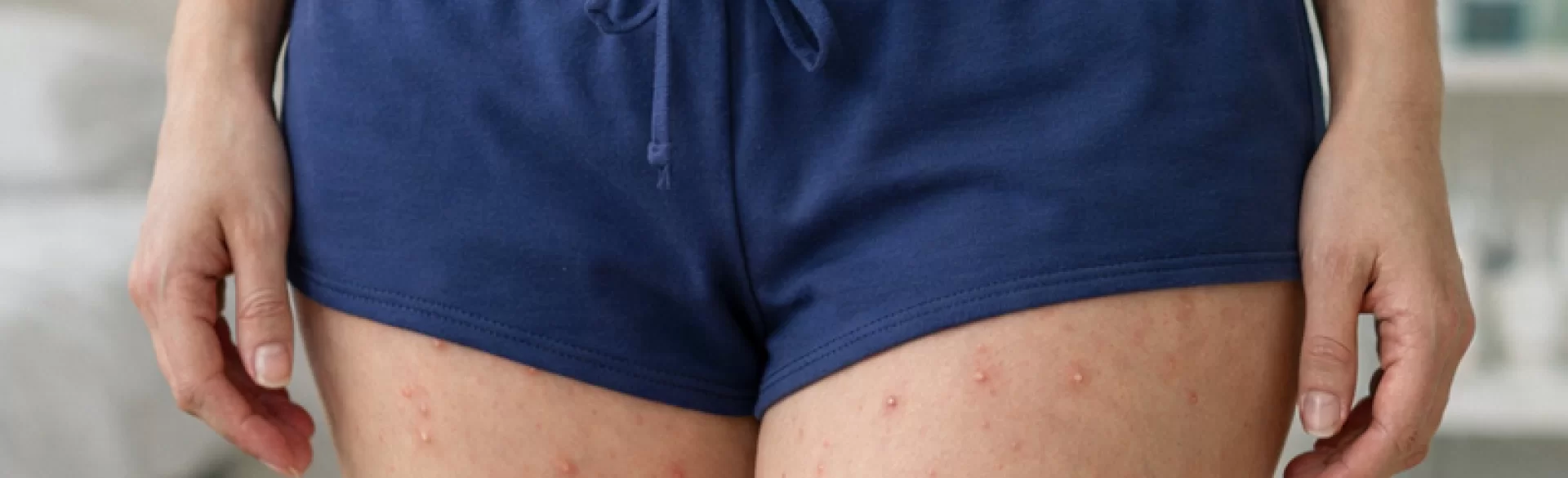
Pustular pimples on the thighs are inflammatory skin lesions of a pustular nature, filled with purulent content, most commonly arising within hair follicles. They appear as painful, reddened bumps or pustules, often accompanied by swelling and tenderness. Their location on the thighs—especially on the medial and posterior sides—favors their development due to skin friction, increased sweating, and limited ventilation. These lesions can be recurrent and lead to complications such as post-inflammatory hyperpigmentation or scarring. From a dermatological perspective, pustular pimples on the thighs should be differentiated from conditions such as folliculitis, furunculosis, and early stages of hidradenitis suppurativa. Effective management requires identifying the cause, implementing treatment, and taking preventive measures.
Purulent pimples on the thighs – causes
Etiology of pustular pimples on the thighs is multifactorial and includes both local and systemic factors. A key role is played by the colonization of the skin by bacteria, mainly Staphylococcus aureus, which penetrate hair follicles and induce an inflammatory response.
The most common causes include:
- Folliculitis
Occurs as a result of bacterial infection, less commonly fungal or yeast infection, often after shaving, depilation, or micro-injuries to the skin. - Excessive sweating and skin friction
Tight clothing, synthetic materials, and prolonged sitting promote skin maceration and microbial growth. - Improper hygiene or aggressive care
Too frequent washing with strong detergents damages the hydrolipid barrier, facilitating pathogen penetration. - Hormonal disorders
Excess androgens increase the activity of sebaceous glands, promoting the blockage of hair follicle openings. - Insulin resistance and obesity
Increase skin inflammation and the risk of recurrent infections. - Reduced immunity
May be associated with chronic diseases, stress, nutritional deficiencies, or the use of immunosuppressive drugs.
It is worth noting that recurring, deep, and painful purulent lesions on the thighs can be the first signal of more complex inflammatory dermatoses requiring dermatological diagnostics.
Purulent pimples on the thighs – treatment
Treatment of pustular acne on the thighs should be tailored to the severity of the lesions, their cause, and the frequency of recurrences. The approach includes topical therapy, systemic therapy, and modification of contributing factors.
Topical treatment is used for mild and moderate cases:
- preparations with antiseptic and antibacterial action,
- keratolytic substances that regulate the keratinization of hair follicle openings,
- anti-inflammatory agents to reduce redness and swelling.
Systemic treatment is indicated in cases of:
- numerous, deep pustular lesions,
- a tendency for pustules to merge,
- systemic symptoms (pain, elevated skin temperature),
- lack of improvement after topical treatment.
It may include antibacterial therapy, treatment of hormonal or metabolic disorders, and correction of deficiencies (e.g., zinc).
Supportive measures:
- avoiding self-squeezing of lesions, which increases the risk of infection spread and scarring,
- temporary limitation of mechanical hair removal,
- wearing loose, breathable clothing made of natural fabrics,
- weight reduction in cases of overweight.
In the treatment of chronic and recurrent forms, dermatological and aesthetic medicine procedures are increasingly used, which act not only symptomatically but also causally.
Purulent pimples on the thighs – prevention
Prevention plays a key role in preventing the recurrence of purulent changes on the thighs. It includes both daily care and lifestyle modification.
The most important preventive recommendations:
- Proper skin hygiene
Washing the skin with gentle products with physiological pH, without alcohol and strong detergents. - Proper care after depilation
Using soothing and antiseptic products, avoiding "dry" shaving. - Reduction of sweating and moisture
Thoroughly drying the skin, changing clothes after physical exertion. - Avoiding friction and pressure
Avoiding very tight pants, especially during long periods of sitting. - Supporting the skin barrier
Regular use of emollients and products that rebuild the hydrolipid layer. - Control of systemic factors
Stabilizing hormonal balance, managing insulin resistance, healthy diet with a low glycemic index.
Systematic prevention significantly reduces the risk of recurrence and improves the overall condition of the thigh skin.
Pustule treatments on the thighs
In cases of recurring or treatment-resistant conditions, specialized dermatological and aesthetic procedures are an effective complement to therapy. Their goal is to reduce inflammation, eliminate microorganisms, regulate sebaceous gland activity, and improve skin structure.
Procedures used in the treatment of purulent pimples on the thighs include:
- Laser treatments with anti-inflammatory and antibacterial effects – reduce the number of bacteria and accelerate the healing of lesions.
- Chemical peels with controlled keratolytic action – unblock hair follicle openings and reduce the tendency to develop pustules.
- High-energy light therapies – have anti-inflammatory effects and regulate sebum secretion.
- Skin regenerating and normalizing treatments – support the rebuilding of the epidermal barrier and reduce the risk of post-inflammatory discoloration.
The choice of procedure should be preceded by a specialist consultation and tailored to the skin type, severity of changes, and any coexisting diseases.

