Sparse eyebrows
back to main page
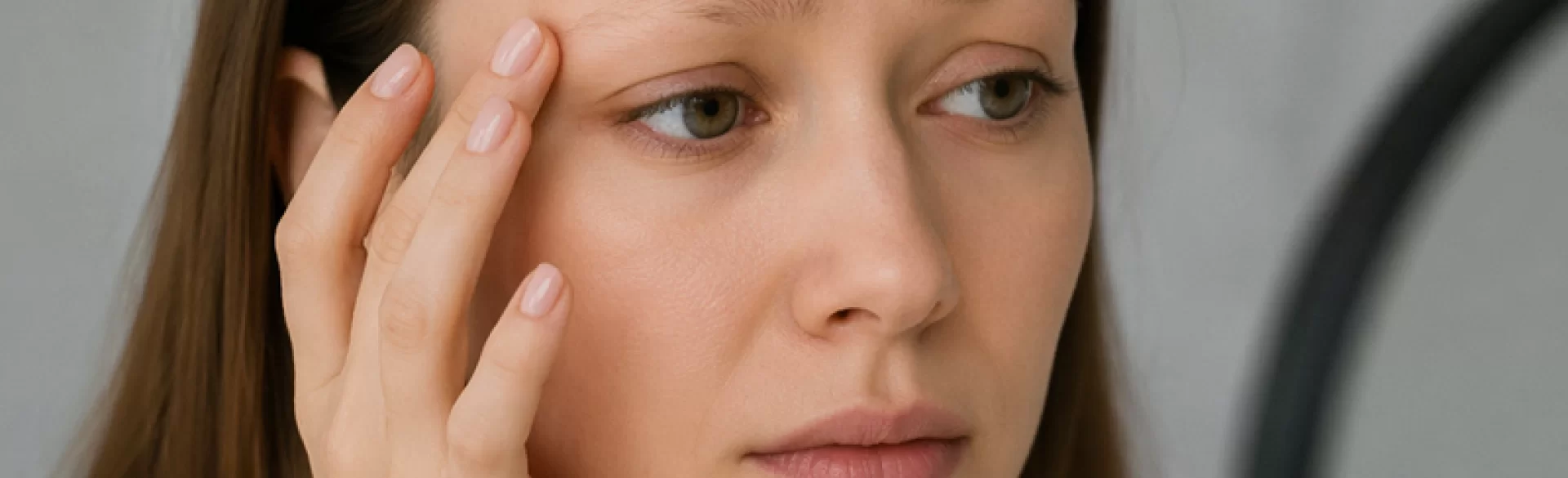
Sparse eyebrows is a condition characterized by reduced hair density within the eyebrow arches, leading to visible skin showing through and disruption of their natural shape. It can be physiological (genetically determined) or pathological, associated with dermatological or endocrine diseases, or environmental factors. Eyebrows perform an important protective function (trapping sweat and impurities) as well as an aesthetic one, influencing facial proportions and facial expressions. Their thinning is a common problem reported in dermatological and aesthetic medicine practice.
Sparse eyebrows – causes
The etiology of sparse eyebrows is multifactorial and includes both local and systemic factors. Disruption of the hair growth cycle (anagen–katagen–telogen) is of key importance, leading to a shortening of the growth phase or premature transition of hair into the resting phase.
The most common causes include:
1. Hormonal factors:
- hypothyroidism or hyperthyroidism (particularly characteristic loss of the lateral part of the eyebrows – Hertoghe’s sign),
- androgenic disorders,
- menopause.
2. Dermatological diseases:
- atopic dermatitis,
- seborrheic dermatitis,
- alopecia areata,
- scarring folliculitis.
3. Mechanical and environmental factors:
- chronic depilation and excessive eyebrow grooming,
- mechanical injuries,
- effects of UV radiation and oxidative stress.
4. Systemic deficiencies:
- iron, zinc, and biotin deficiency,
- protein malnutrition,
- chronic stress.
5. Medications and therapies:
- chemotherapy,
- retinoids,
- immunosuppressive drugs.
Differential diagnosis also considers autoimmune diseases and psychogenic disorders, such as trichotillomania (compulsive hair pulling).
Sparse eyebrows – how to paint
Eyebrow makeup is a method of aesthetic camouflage that allows for an optical increase in density and improves facial proportions. In clinical and cosmetological practice, techniques imitating natural hair growth are recommended instead of creating a solid, artificial line.
Basic principles:
- color selection matching the natural hair shade (maximum 1 shade darker),
- maintaining facial proportions (start, arch, and end line of the eyebrows),
- avoiding excessive darkening of the base of the eyebrows.
Makeup techniques:
- drawing individual hairs with a fine pencil or pen (hair stroke technique),
- using eyebrow shadows to achieve a soft filling effect,
- using pomade for modeling and setting the shape,
- setting with a styling gel (transparent or tinted).
Most common mistakes:
- overly geometric, unnatural shape,
- excessive color density in the medial part,
- lack of gradient (tonal transition).
Makeup does not improve the biological condition of hair follicles; however, it constitutes an important element of aesthetic therapy in temporary or irreversible cases.
Sparse eyebrows – which treatment
Treatment procedures for sparse eyebrows depend on the cause, the extent of hair loss, and the patient's expectations. Modern aesthetic medicine and regenerative dermatology offer methods for stimulating hair regrowth as well as reconstructive techniques.
Eyebrow growth stimulating treatments:
- needle mesotherapy – delivery of nutrients, biomimetic peptides, and vitamins to the hair follicle area,
- platelet-rich plasma (PRP) – use of growth factors to activate hair follicle stem cells,
- carboxytherapy – improvement of microcirculation and tissue oxygenation,
- microneedle mesotherapy – induction of regenerative processes through micro-punctures.
Reconstructive and aesthetic treatments:
- permanent makeup (micropigmentation) – including hair-stroke techniques imitating natural eyebrows,
- 3D eyebrow reconstruction – an advanced styling method consisting of the precise reconstruction of the eyebrow arch through individual shape matching and the application of synthetic or natural hairs, allowing for an immediate, realistic thickening effect,
- hair transplant (follicular unit transplantation) – a surgical method used for permanent hair loss,
- low-level laser therapy (LLLT) – supporting cellular metabolism.
Choice of therapy depends on:
- the presence of active hair follicles,
- the cause of eyebrow loss,
- the patient's age and comorbidities.
In clinical practice, combined therapy is often used, which allows for more predictable and long-lasting results. Prior dermatological diagnostics and – if necessary – an endocrinological consultation are of key importance.

