Spots on the back
back to main page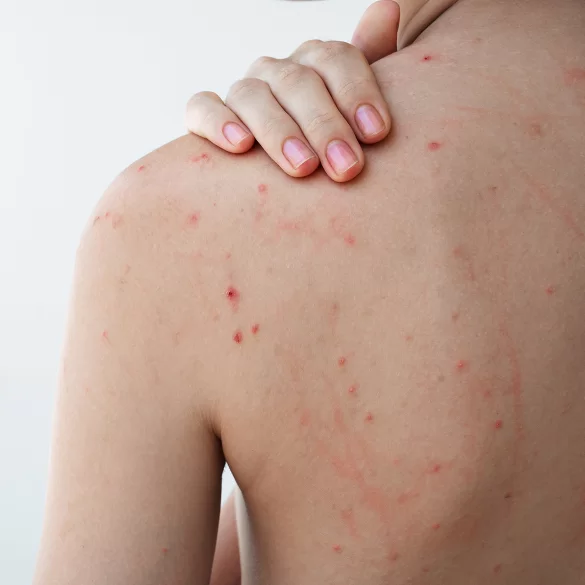
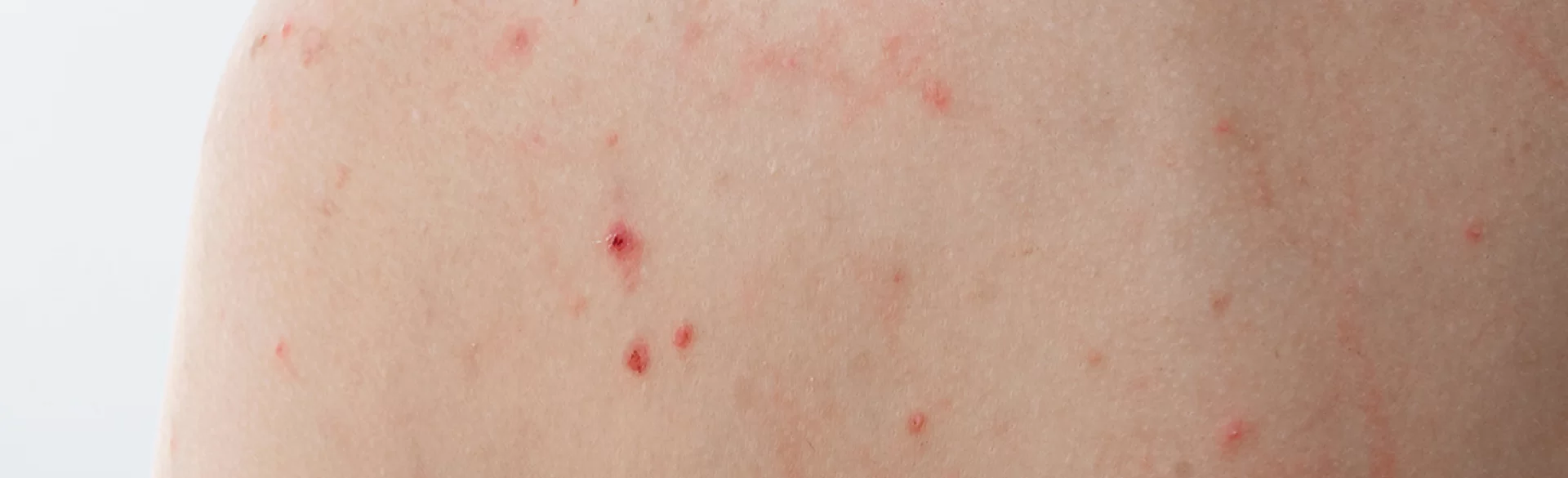
Back acne is a common dermatological issue that includes various inflammatory and non-inflammatory skin lesions. These can appear as small bumps, pustules, blackheads, or painful nodules located on the back, particularly in areas with a higher number of sebaceous glands. These lesions can occur in both adolescents and adults, either periodically or chronically. While often underestimated, they can actually lead to post-inflammatory hyperpigmentation and scarring, significantly affecting the quality of life. Effective management requires accurate identification of the underlying mechanism of the lesions and implementing treatment aimed at the cause, not just the symptoms.
Back Acne – Causes of Formation
The etiology of pimples on the back is multifactorial and includes both endogenous and environmental factors. A key role is played by the excessive activity of sebaceous glands and disorders in the keratinization of hair follicle openings.
The most common causes include:
- Acne vulgaris – associated with the overproduction of sebum, colonization by the bacterium Cutibacterium acnes, and inflammation of hair follicles.
- Folliculitis – often caused by bacteria or yeast, particularly in conditions of increased sweating.
- Hormonal changes – fluctuations in androgens can exacerbate seborrhea, especially in adults.
- Excessive sweating and skin occlusion – tight clothing, synthetic fabrics, and prolonged moisture promote the development of lesions.
- Improper skin care – using heavy, comedogenic cosmetics or a lack of regular back skin cleansing.
- Dietary and metabolic factors – a high glycemic index diet and insulin resistance can indirectly affect the severity of the lesions.
Back Acne – Treatment
Treatment of pimples on the back should be tailored to the type of lesions, their severity, and pathophysiological background. Dermatological management includes both topical and systemic therapy.
The most commonly used therapeutic strategies:
- Keratolytic agents – regulating the process of keratinization and preventing the blockage of hair follicle outlets.
- Anti-inflammatory and antibacterial substances – reducing inflammation and limiting the proliferation of microorganisms.
- Hormonal therapy – considered for patients with confirmed endocrinological background.
- Systemic therapies – applied in moderate to severe cases when topical treatment is insufficient.
An essential element of treatment is consistency and monitoring the skin's reaction, as the back is characterized by a thicker layer of epidermis and a slower therapeutic response compared to facial skin.
Back Acne – Prevention
Prevention is crucial in reducing the recurrence of lesions and involves modifying daily skincare habits and lifestyle.
Basic preventive recommendations:
- regular, gentle cleansing of back skin with products at a physiological pH,
- avoiding comedogenic cosmetics,
- wearing breathable clothing made from natural fabrics,
- changing clothes promptly after physical exercise,
- limiting prolonged exposure of skin to moisture and friction,
- maintaining a balanced diet and controlling metabolic disorders.
Prevention should be considered a part of a long-term strategy, not just a supplement to treatment.
Back acne – how to get rid of it
Effectively getting rid of pimples on the back requires a combination of causal treatment with appropriate care and, if necessary, procedural support. Self-extraction of lesions is not recommended, as it increases the risk of secondary infections, scarring, and discoloration.
The recommended approach includes:
- consistent use of prescribed medicinal preparations,
- gradual exfoliation of the epidermis to improve follicle patency,
- reduction of factors that exacerbate seborrhea and inflammation,
- regular dermatological check-ups in the case of chronic or recurrent lesions.
In clinical practice, the best results are achieved with a comprehensive approach that combines several therapeutic methods.
Treatments for back acne
In the treatment of back acne, procedural interventions with documented clinical efficacy are increasingly being used as a complement to traditional dermatological treatments.
The most commonly used methods include:
- Exfoliating procedures – controlled chemical peels that regulate keratinization and reduce the number of inflammatory lesions.
- Light-based therapies – targeting bacteria and the inflammatory process within hair follicles.
- Radiofrequency and combined therapies – improving skin structure and reducing the risk of acne scars.
- Cleansing and normalizing treatments – aimed at reducing excess sebum and improving the skin's microenvironment.
The choice of procedure should be preceded by a dermatological assessment, as not every method is suitable for every type of lesion. Properly planned procedural therapy can significantly shorten treatment time and improve long-term aesthetic outcomes.

