Pimples on the back of the thighs
back to main page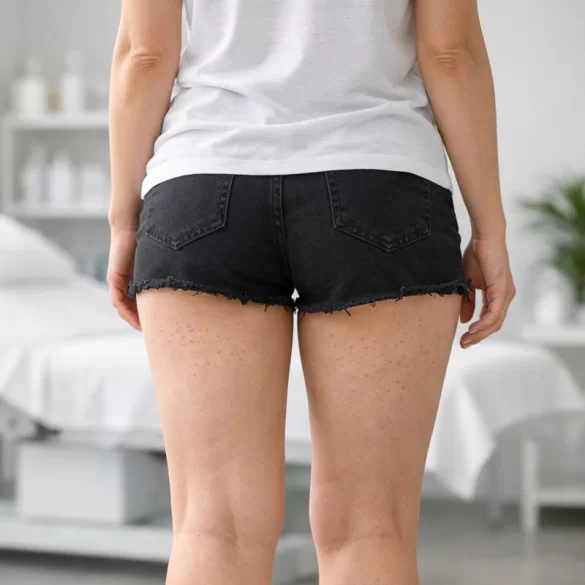
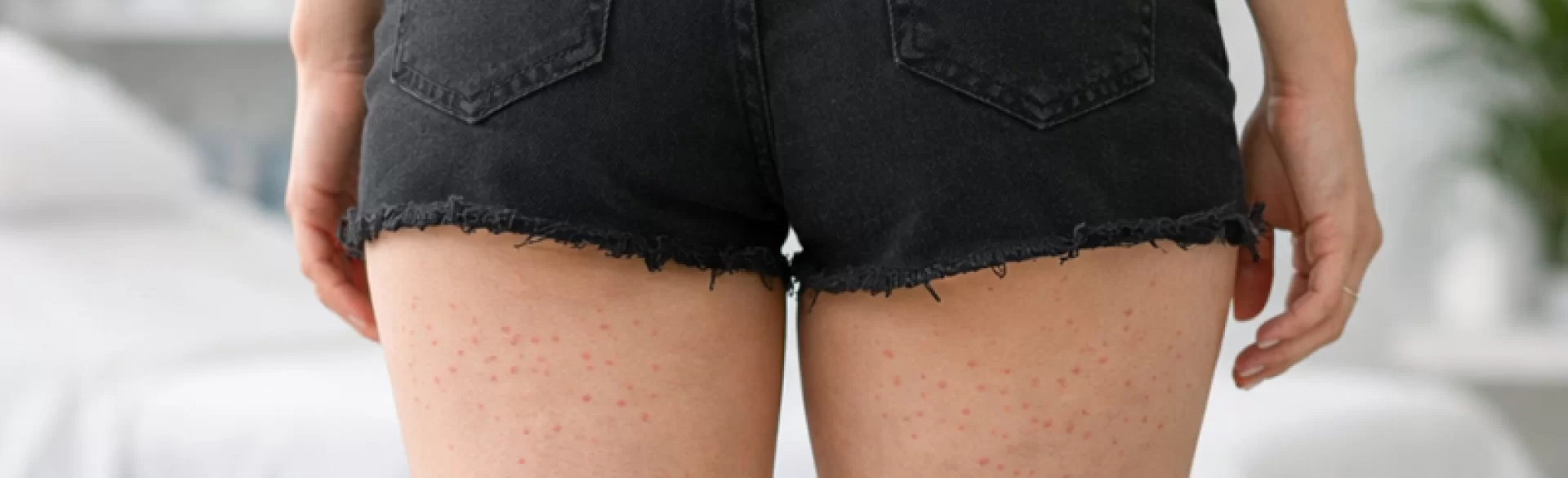
Pimples on the back of the thighs are skin changes characterized by papules, pustules, nodules, or small vesicles located on the posterior surface of the thigh. They can have an inflammatory, infectious, keratotic, or mechanical basis. This area, due to the presence of hair follicles, a tendency to sweat, friction, and wearing tight clothing, is particularly predisposed to the development of conditions like folliculitis, keratosis pilaris, or mechanical acne. In diagnostics, it is important to determine the nature of the lesions (whether they are painful, purulent, itchy, chronic), their development dynamics, and exacerbating factors. Although in many cases the lesions have a mild course, persistent or recurrent pimples require a dermatological consultation.
Acne on the back of the thighs - causes
The etiology of pimples in this location is multifactorial and depends on the patient's age, lifestyle, skin type, and comorbidities. The most common causes include:
1. Folliculitis
- bacterial (most commonly Staphylococcus aureus),
- less commonly fungal (e.g., yeasts of the genus Malassezia),
- factors: sweating, hair removal, clothing friction, prolonged sitting,
- symptoms: small, painful pimples with a central hair, sometimes with purulent content.
2. Keratosis pilaris
- a disorder of keratinization at the openings of hair follicles,
- lesions appear as numerous rough papules,
- often associated with dry skin and atopy,
- lesions are chronic, usually painless.
3. Acne mechanica
- related to chronic pressure and friction,
- typical in physically active individuals (cycling, gym),
- lesions worsen when wearing synthetic, tight clothing.
4. Hidradenitis suppurativa
- chronic inflammatory disease of the apocrine glands,
- presence of painful nodules and abscesses,
- may lead to fistulas and scars,
- requires specialist treatment.
5. Hormonal disorders
- hyperandrogenism,
- insulin resistance,
- excessive seborrhea.
Additional risk factors are:
- obesity,
- diabetes,
- improper hygiene or excessive skin drying,
- use of comedogenic body cosmetics.
Differential diagnosis should also include allergic reactions, miliaria, contact dermatitis, and parasitic infestations.
Spots on the back of the thighs – treatment
Therapeutic management should depend on the clinical diagnosis. Empirical treatment without determining the cause can be ineffective and may lead to chronic changes.
1. Local Treatment
Depending on the etiology, the following are used:
- benzoyl peroxide preparations – antibacterial and keratolytic effects,
- topical retinoids (adapalene, tretinoin) – normalization of keratinization,
- topical antibiotics (clindamycin, erythromycin) – for bacterial inflammations,
- salicylic acid (1–2%) – exfoliating action,
- urea (10–20%) – in keratosis pilaris,
- antifungal preparations – in suspected yeast etiology.
It is important to:
- avoid squeezing lesions (risk of scars and infections),
- wear breathable clothing,
- reduce friction and sweating.
2. General Treatment
In cases that are:
- severe,
- recurrent,
- accompanied by inflammation,
consider:
- oral antibiotic therapy (e.g., tetracyclines),
- treatment with isotretinoin (in selected cases of acne),
- hormonal therapy in women with hyperandrogenism,
- biological treatment in inverse acne.
3. Dermatological and Medical Procedures
In supportive therapy and persistent changes, the following are used:
- medical peels with salicylic or pyruvic acid – regulation of keratinization and seborrhea,
- high-tech skin cleansing – reduction of comedones and inflammatory lesions,
- fractional laser therapy – in case of acne scars,
- body skin mesotherapy – improvement of skin quality and regeneration.
In clinical offerings, the application includes:
- medical peels,
- seborrhea-regulating therapies,
- laser treatments improving skin texture,
- individually tailored cleansing and anti-inflammatory programs.
4. Care Procedures
Daily prevention is of key importance:
- gentle cleansing agents with physiological pH,
- avoidance of aggressive mechanical exfoliation,
- regular, controlled chemical exfoliation,
- moisturizing with non-comedogenic products,
- weight reduction in case of obesity.
Chronic or painful pustules on the back of the thighs, especially those accompanied by abscesses or scars, require dermatological diagnosis. Early implementation of treatment reduces the risk of complications, such as post-inflammatory hyperpigmentation and atrophic or hypertrophic scars.

