
Men's skin, although thicker and more resilient, also requires proper care to maintain a healthy and well-groomed appearance. Professional treatments help improve its condition by supporting natural regenerative processes, strengthening the protective barrier, and providing essential nutrients.
Treatments for men can be tailored to specific skin needs, such as cleansing, regeneration, moisturizing, firming, evening out skin tone, or rejuvenation. Depending on the issue, skincare may focus on reducing signs of fatigue, smoothing skin texture, improving elasticity, supporting natural cell renewal, or stimulating collagen production.
Modern skincare methods effectively counteract the negative impact of external factors and aging processes, helping the skin maintain a fresh, healthy, and rested appearance. Anti-aging treatments allow for the smoothing of wrinkles, improvement of skin firmness, and restoration of a youthful look. Regularly used therapies strengthen the skin, increase its resilience, and improve its structure, ensuring long-lasting revitalization and rejuvenation effects.
CHOOSE A PROBLEM
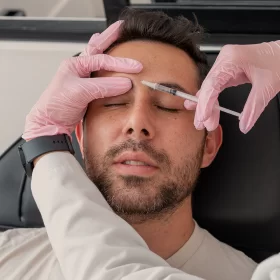
The skin around the eyes in men, although thicker than in women, also requires proper care because it is more prone to dryness, wrinkles, and signs of fatigue. Stress, lack of sleep, fatigue, and environmental factors can cause puffiness, dark circles, and loss of firmness, making the face look older and more tired. Modern treatments dedicated to male skin help reduce puffiness, moisturize and firm the skin, as well as smooth out the first wrinkles. Skincare focused on regeneration, intense hydration, and stimulating microcirculation makes the skin look healthier, and the eyes appear fresher and more energetic.
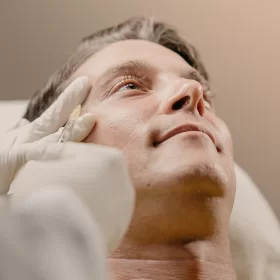
The aging process in men depends on various factors, such as genetic predispositions, facial expressions, lifestyle, sun exposure, prolonged stress, weight fluctuations, and smoking. Men's skin, although thicker and more resistant to loss of firmness, gradually loses elasticity, leading to the appearance of wrinkles, sagging skin, and changes in facial contour. Modern anti-aging treatments, tailored to the specific needs of men's skin, help stimulate collagen production, improve firmness, and smooth out wrinkles. Regenerative, lifting, and moisturizing therapies effectively delay the aging process, restoring firmness, even skin tone, and a healthy appearance to the skin.
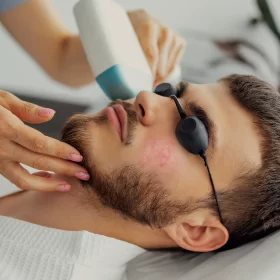
Male skin, although thicker and more resistant, can also be prone to vascular problems, such as enlarged and broken capillaries (so-called spider veins) and chronic redness. External factors such as sun exposure, cold, hot beverages, alcohol, or stress, as well as genetic predispositions, can cause chronic redness, burning sensation, itching, warmth, and in some cases, swelling. Specialized treatments that strengthen and seal the capillaries help reduce redness, reduce the visibility of blood vessels, and improve the skin's resilience to irritations. Laser therapies, medical peels, and professional skincare minimize skin reactivity, restoring a healthier appearance and greater comfort.
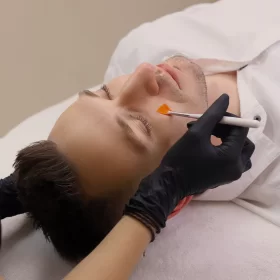
The appearance of male skin is influenced by both internal and external factors. Androgens - male sex hormones stimulate the sebaceous glands to produce more sebum, leading to excessive skin shine, enlarged pores, and susceptibility to impurities and blackheads. Environmental pollutants, stress, and improper skincare can further exacerbate this issue, causing uneven skin texture and a dull complexion. Professional cleansing, sebum-regulating, and exfoliating treatments help to tighten pores, reduce excess sebum, and smooth the skin texture. With proper care, the skin becomes less prone to imperfections, more matte, and refreshed.
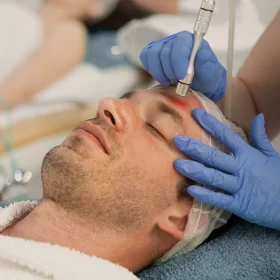
Dark spots, freckles, and pigmented moles are a common aesthetic issue, mainly resulting from prolonged exposure to the sun. UV radiation stimulates melanocytes - skin pigment cells - to overproduce melanin, which distributes unevenly, leading to the formation of discoloration and pigmented spots. Men's skin, although thicker and more resilient, also requires proper sun protection and specialized brightening and regenerating treatments. Chemical peels, laser pigmentation removal, and brightening therapies help even out the skin tone, remove pigmented spots, and restore a healthy appearance.
Men's normal skin is characterized by a balanced hydrolipidic layer, smooth texture, even tone, good blood circulation, and no tendency towards excessive oiliness or dryness. Despite its resilience, daily exposure to external factors, UV radiation, pollution, and stress can weaken its structure and accelerate the aging process. Proper care, including cleansing, moisturizing, and sun protection, helps maintain the skin's healthy appearance, elasticity, and freshness for longer. Regular regenerative treatments help preserve its hydration, even tone, and natural elasticity.
Male skin, although resilient, can become dry, rough, and prone to irritations when it loses its ability to retain moisture. Daily shaving, wind, cold, air conditioning, UV radiation, and improper care weaken the hydrolipid barrier. As a result, the skin becomes tight, dull, rough, and more prone to irritations. Lack of hydration accelerates aging, leading to loss of firmness, elasticity, and the appearance of wrinkles. Professional moisturizing, regenerating, and protective treatments rebuild the hydrolipid layer, restoring comfort, a healthy appearance, and increased resistance to shaving and external factors.
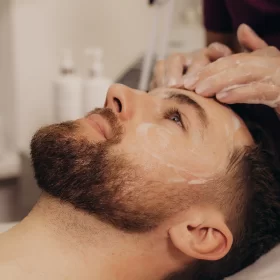
The appearance of men's skin is greatly influenced by sex hormones, which stimulate the sebaceous glands to overproduce sebum. The excess secretion moisturizes and firms the skin, but at the same time causes shine, enlarged pores, and a tendency for blackheads and acne. As a result, most men have combination skin with a tendency to become oily in the T-zone (forehead, nose, chin). Improper skincare, stress, diet, and environmental factors can worsen inflammatory conditions, acne, and uneven skin texture. Regular cleansing, exfoliation, sebum-regulating treatments, and anti-inflammatory procedures help reduce sebum production, tighten pores, and limit the formation of imperfections, while also maintaining proper skin hydration.
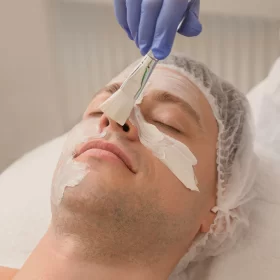
Sensitive skin in men is the result of a combination of many factors, both external and internal. It can be genetically conditioned or acquired due to inadequate care, exposure to environmental factors, or stress. Daily shaving further weakens the skin's protective barrier, causing irritation, redness, burning, and increased susceptibility to inflammatory conditions. Men's skin requires calming, strengthening, and moisturizing care that reduces sensitivity, rebuilds the hydrolipid barrier, and protects against irritating factors. Regenerating and strengthening treatments help reduce skin reactions, even out skin tone, and improve skin comfort.
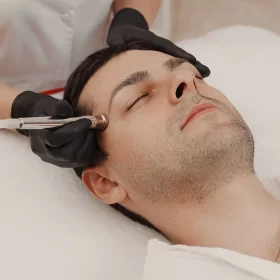
Tired, dull skin is the result of disrupted cellular respiration processes, leading to a lackluster complexion, dullness, and loss of energy. It most commonly affects smokers, those working in air-conditioned environments, individuals living with stress, and those who excessively tan, which accelerates aging processes and weakens the skin's ability to regenerate. Proper oxygenating, moisturizing, and stimulating skin renewal treatments can help restore its freshness, firmness, and even out the complexion, giving it a healthier and more rested appearance. Regular skincare routines support regenerative processes, reduce signs of fatigue, and enhance the skin's resistance to harmful external factors.
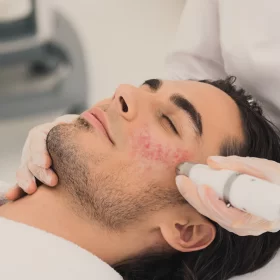
Rosacea most commonly develops in men aged 25-55 and initially presents with broken blood vessels and periodic redness, which over time becomes persistent leading to chronic redness, burning, and dryness of the skin. In more advanced stages, papules, pustules, and inflammatory symptoms may appear, worsening the appearance and comfort of the skin. Men's skin, although thicker, is equally susceptible to rosacea, especially if blood vessels are weakened by sun exposure, stress, spicy foods, alcohol, or sudden temperature changes. Professional treatments that strengthen blood vessels, soothe, and reduce inflammation can help decrease redness, calm the skin, and reduce inflammation, restoring a healthier appearance.
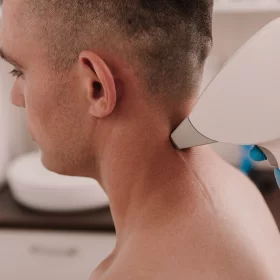
Scars on the face in men can result from accidents, burns, sunburns, surgical procedures, and inflammatory skin conditions such as acne or chickenpox. They leave permanent marks in the form of indentations, unevenness, and acne scars that can affect the appearance and structure of the skin. Modern skin regeneration methods, such as laser therapy, chemical peels, microneedling, and collagen-stimulating therapies, help smooth out scars, even out the skin's texture, and improve its elasticity. Professional treatments can reduce the visibility of scars and restore a uniform, healthy appearance to the skin.