Japanese facial massage: facelift without a scalpel and stress reduction
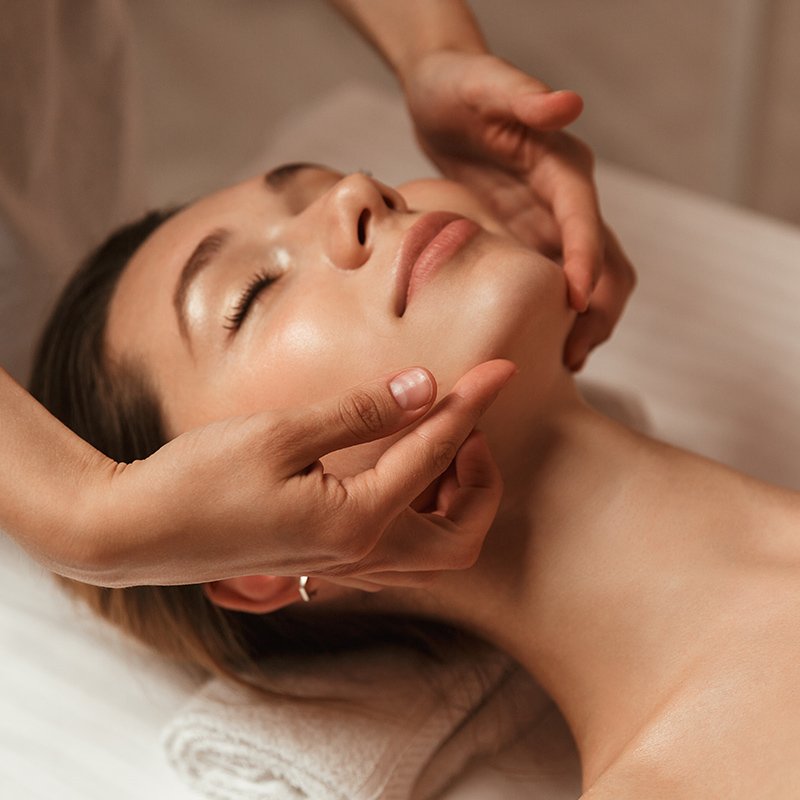
Table of Contents
- What is Japanese facial massage and how does it reduce stress?
- The impact of cortisol on the face and the role of massage in stress reduction
- Mechanism of action on mimic muscles and the nervous system
- Contraindications for Japanese facial massage
- Professional Japanese facial massage at Ambasada Urody
- Techniques and instruments: hands, oils and acupressure
- Who is the Japanese facial massage best for?
- Price and location: Where to get a Japanese massage?
- FAQ: most frequently asked questions about Japanese facial massage
Japanese lifting massage combines deep muscle work with precise stimulation of acupressure points and is considered the oriental facial massage with the broadest therapeutic effect. It originates from the Japanese Anma technique, which dates back to the 15th century. Today, it constitutes the foundation of modern manual face-lifting methods.
The treatment proceeds in four stages:
- relaxation (initial stroking),
- deep muscle massage,
- lymphatic drainage reducing swelling,
- point acupressure activating regeneration.
The therapist simultaneously relaxes certain muscle groups and stimulates others, which improves the facial oval.
Japanese massage vs. face yoga:
- Japanese massage - passive therapy performed by a specialist, effects from the first session.
- Face yoga - active exercises performed independently, effects after weeks. Under high stress, it can increase tension instead of reducing it.
When do the first effects of Kobido massage appear?
The improvement of microcirculation after the first session makes the skin regain a healthy color, and lymphatic drainage reduces swelling around the eyes and the jawline. Illumination and a gentle lifting effect are visible on the same day. Lasting changes require a series - after 5-6 sessions, fibroblasts (cells producing collagen) begin to work more intensively.
How many Japanese facial massage treatments ensure a lasting effect?
The initial series consists of 5-6 treatments performed once a week. Fibroblasts receive regular stimuli to produce collagen and elastin, which strengthens the skin structure. After the series, it is worth performing maintenance treatments every 2-3 weeks to maintain the effects of the Japanese facial massage.
Cortisol is a stress hormone that, in excess, changes facial features. Elevated cortisol levels cause masseter tension, tissue swelling, and microcirculation disorders. The skin loses access to oxygen, becomes gray, and prone to oxidative stress (cell damage by free radicals). How to get rid of the stress that is literally drawn on the face? Regular massage sessions break this cycle!
Massage activates the parasympathetic nervous system - the part of the nervous system responsible for regeneration. Vagus nerve stimulation lowers heart rate, deepens breathing, and reduces cortisol secretion.
Which massage works most effectively for stress? Japanese techniques that combine deep muscle work with acupressure.
| Impact of stress on the skin | Benefits of massage |
| Tense masseters and temporal muscles | Muscle relaxation and pain reduction |
| Swelling and lymphatic stagnation | Drainage and improvement of facial oval |
| Gray, dull skin tone | Improved microcirculation and oxygenation |
| Oxidative stress | Activation of the parasympathetic nervous system |
| Elevated cortisol | Vagus nerve stimulation |
The face has over 40 facial muscles. The masseter muscle (responsible for clenching the jaw) and the temporal muscle (running from the temple to the mandible) are among the strongest. In cases of chronic stress, both undergo muscle hypertonia (excessive tension), which leads to bruxism (teeth grinding) and tension headaches.
Transbuccal (intra-oral) massage is a technique in which the therapist works from inside the oral cavity on the masseter muscle. It relaxes deep layers of tissue inaccessible through external massage. Reducing masseter tension decreases the frequency of headaches and improves sleep quality.
Despite numerous benefits, there are situations in which Japanese massage should be postponed. Contraindications primarily concern active inflammations of the skin and deeper tissues.
Absolute contraindications:
- Active herpes - massage can spread the virus to a larger area of the face.
- Fever and infections - stimulation of circulation during an infection puts strain on the body.
- Inflammatory acne in the active phase - pressure can aggravate the skin condition and spread bacteria.
- Fresh skin wounds - require full healing before manual stimulation.
- Tooth extraction (up to 7 days) - jaw tissues need time to regenerate.
Is Japanese facial massage safe during pregnancy?
Pregnant women can benefit from Japanese massage starting from the second trimester, provided there are no additional contraindications. The therapist avoids cosmetics containing retinoids (vitamin A derivatives) and caffeine. Treatment safety is ensured by the selection of mild vegetable oils and gentler pressure.
During breastfeeding, similar rules apply - cosmetics with retinoids and caffeine should be avoided, and any concerns should be discussed with the therapist before the treatment.
Pregnant women can also benefit from other safe treatments - oxygen infusion or hydrogen purification.
A certified manual therapist works during a session not only on the face, but also on the neck, cleavage, and the back of the neck. At Ambasada Urody, specialists combine traditional manual techniques with a holistic approach to aesthetic facial rehabilitation. Professional Japanese facial massage is preceded by a consultation, during which the therapist assesses muscle tension and skin condition.
The difference between professional massage and home methods (roller, gua sha) comes down to the depth of stimulation. A manual therapist reaches the fascia (connective tissue surrounding the muscles) and performs fascial stimulation unattainable through self-massage. The depth of work determines the durability of the lifting effects.
How to perform a Japanese facial massage correctly?
The session begins with warming strokes to heat the tissues, proceeds through deep rubbing and tissue kneading, up to intense, fast stimulating movements. Point acupressure finishes the treatment - precise pressure on selected points deepens relaxation.
Plant oils (e.g., sandalwood, rose) provide glide and supply nourishing ingredients. Citric acid in treatment cosmetics regulates skin pH and supports brightening.
Japanese massage is effective for people with expression lines, bruxism, and tension headaches. Patients feel relief from the first session. For couperose skin, the therapist uses gentle drainage techniques that strengthen vessel walls without irritation.
After the treatment, a temporary breakout of imperfections or slight redness may occur. This is a natural lymphatic reaction – the massage triggers tissue cleansing processes. Muscle atrophy (loss of facial muscle mass) is another indication – regular stimulation restores tension within the fascia.
Can Japanese facial massage be combined with Botox?
Facial massage can be performed at the earliest 2-4 weeks after the injection of botulinum toxin or hyaluronic acid. Earlier stimulation carries the risk of moving the preparation, which may result in asymmetry. Before the session, inform the therapist about aesthetic medicine treatments from recent weeks.
The price of a Japanese facial massage in Poland ranges from 200 to 400 PLN per session. Transbuccal massage and Kobido are among the more expensive variants due to the advanced technique. In our clinic, each session is a full SPA ritual - from consultation through the cosmetic treatment to skincare recommendations.
A series of 6 sessions with a manual therapist costs more than home gadgets, but it provides lifting effects at the muscle and fascia level. Book a consultation at Ambasada Urody and see for yourself how much professional work on the facial expression muscles changes.
Should Japanese facial massage hurt?
Massage can be intense, especially during the deep masseter kneading phase and in the transbuccal technique. However, it should not cause severe pain. The therapist adjusts the pressure to the patient's sensitivity.
Japanese facial massage vs. classic massage – what are the differences?
Japanese massage involves deep work on fascia, mimic muscles and acupressure points. Classic massage focuses on the relaxation of superficial skin layers. Japanese techniques engage over 40 facial muscles and activate lymphatic drainage.
What to avoid after a facial massage?
For 24 hours, avoid strong sun, saunas, and intense physical exertion. Overheating stimulated tissues can increase swelling and redness.
Does Kobido massage have side effects?
Temporary redness, slight swelling, or a short-term breakout of imperfections may occur. This is a normal body reaction associated with the stimulation of lymphatic drainage. Symptoms subside within 24-48 hours.
Is Kobido massage a scam?
The effectiveness of manual massage in stimulating fibroblasts and reducing muscle tension is physiologically confirmed. The effects depend on the regularity of treatments and the qualifications of the therapist.
How much does a Kobido massage cost?
The price in a professional salon ranges from 250 to 350 PLN per session. The cost depends on the duration, techniques, and location. A series of 5-6 treatments gives the best price-to-effect ratio.

