Pimples near the ear
back to main page
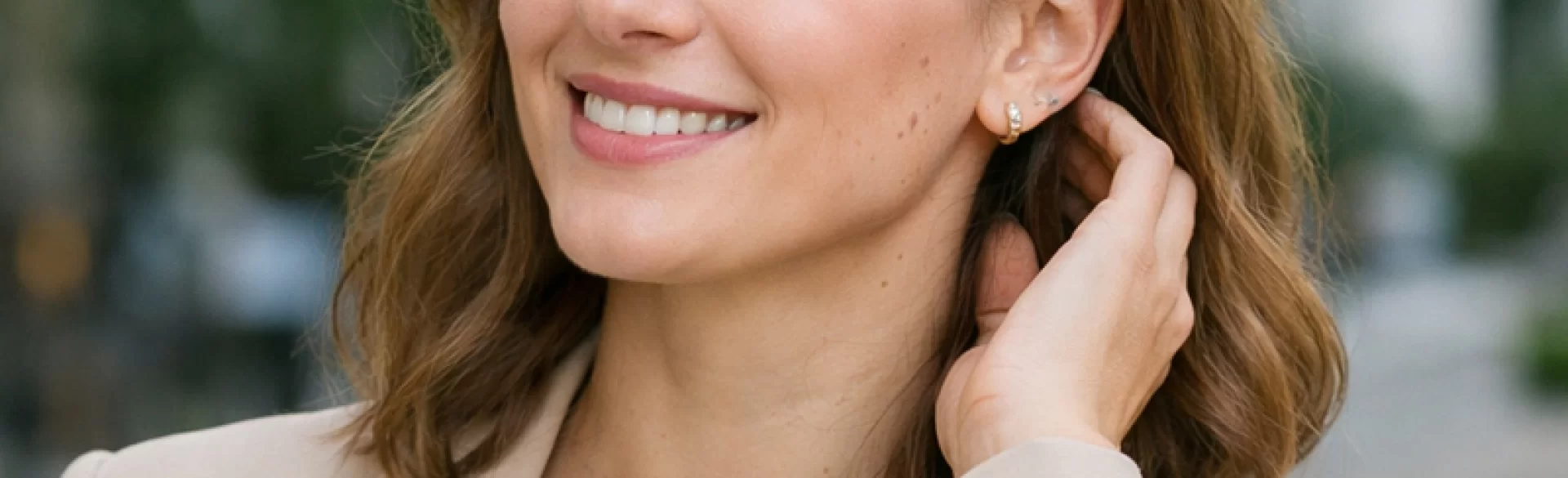
Pimples near the ear are a colloquial term for inflammatory skin lesions in the preauricular area, on the auricle, or behind the ear. Most often these are papules and pustules occurring in acne vulgaris, folliculitis, or an inflammatory reaction over an epidermoid cyst. This area is prone to recurrence because it combines features of facial skin and the hair-bearing scalp: it has numerous pilosebaceous units, is exposed to friction (phone, headphones, glasses), and to occlusion from cosmetics and hair products. Persistent, painful, or recurrent lesions require diagnostic evaluation, as other dermatoses and infections can appear similar.
Pimples near the ear – causes
The most common mechanisms leading to "pimples" in this location involve the pilosebaceous unit and the skin microbiome.
1) Common acne (acne vulgaris)
Pathogenesis includes: increased sebum production, excessive keratinization of the follicular opening (formation of microcomedones), involvement of the bacterium Cutibacterium acnes and an inflammatory response. Lesions near the ear often worsen with occlusion (e.g., hair products running onto the skin, oily filters, heavy foundations), as well as with chronic friction.
2) Folliculitis
It is usually bacterial in origin (often Staphylococcus aureus), less commonly yeast-related. Clinically this may present as a pustule with a hair in the center, sometimes numerous small lesions. Risk factors: sweating, minor skin injuries, shaving/depilation, wearing tight bands, hats, headphones.
3) Epidermal cyst / inflamed cyst
A cyst filled with keratin can look like a "nodule-pimple"; after secondary infection it is painful, red and warm.
4) Contact and mechanical factors
Glasses (pressure behind the ear), masks, helmets, headphones and frequent touching of the skin increase inflammation. Additionally important are: comedogenic hair-styling products, inadequate removal of cosmetics, and in some people – flare-ups related to stress and hormonal fluctuations.
Pimples near the ear – diagnosis and differential diagnosis
In diagnosis, the morphology of the lesion and its dynamics matter. A "pimple" may in fact be a different disease entity.
The most common situations requiring differentiation:
- Acne vs. folliculitis: in folliculitis a hair is more often visible in the center of the pustule; lesions may be more "homogeneous" and localized within hair-bearing areas.
- Epidermal cyst: a palpable nodule on examination, sometimes with a punctum/opening; after an inflammatory episode induration may remain.
- Furuncle/abscess: increasing pain, swelling, warmth, possible fever; requires assessment for possible surgical intervention and antibiotic therapy.
- Contact dermatitis (e.g., from hair cosmetics, dyes, metals in eyeglass frames): itching, erythema, scaling; usually fewer typical purulent pustules, more often eczematous changes.
- Less commonly: rosacea, dermatitis seborrhoica around the ear, and in the case of chronic purulent nodules in skin folds – suspicion of HS (though periauricular localization is atypical).
If lesions are recurrent and purulent, the physician may consider a culture (e.g., if S. aureus is suspected) or evaluation of predisposing factors (e.g., diabetes, immunosuppression).
Pimple near the ear – treatment
Treatment is selected according to the most likely cause and type of lesion: comedonal, inflammatory, nodular, or purulent. In practice, combination therapy is key and antibiotic monotherapy should be avoided.
Management of acne (papulopustular lesions):
- Benzoyl peroxide (antibacterial and anti-inflammatory effects) alone or in combination therapy.
- Topical retinoid (e.g., adapalene, tretinoin) – normalizes follicular keratinization and has anti-inflammatory effects; requires regular use and protection of the skin barrier.
- Topical antibiotic (e.g., clindamycin) only in combination with benzoyl peroxide and for as short a duration as possible to limit resistance.
- For more severe involvement: oral antibiotic (e.g., doxycycline) or – in severe and refractory cases – isotretinoin after medical assessment. Current guidelines emphasize the role of benzoyl peroxide and retinoids and the principle of combination therapy.
Management of folliculitis:
- topical antiseptics (e.g., chlorhexidine) and reducing friction/occlusion,
- with bacterial superinfection: topical treatment, and in more severe cases systemic therapy – according to the principles of treating skin and soft tissue infections.
Epidermal inclusion cyst:
- in acute infection incision and drainage may be necessary (emergency treatment),
- the definitive method to reduce recurrences is complete excision of the cyst with its capsule.
Important: do not squeeze deep, painful lesions in this area (risk of spreading infection and scarring).
Pimples near the ear – when to see a doctor
A dermatological or surgical consultation is indicated when any of the following situations are present:
- rapidly increasing pain, a firm induration, extensive redness or swelling,
- fever, chills, malaise,
- purulent discharge and suspected abscess,
- the lesion persists > 2–3 weeks despite appropriate care and topical treatment,
- frequent recurrences at the same site (suspected cyst),
- signs suggesting complications of skin and soft tissue infection (require evaluation according to SSTI management guidelines).
In the treatment of acne, indications for earlier consultation are: nodulocystic lesions, a tendency to scarring, significant psychosocial burden, or lack of response to standard therapy.
Pimples near the ear – prevention and care supporting treatment
Prevention matters, because mechanical factors and occlusion predominate in this area.
Key principles:
- wash the skin with a gentle cleanser, without aggressive rubbing; regularly remove hair-product residues from the hairline and the area around the ear,
- avoid strongly occlusive/comedogenic products in this zone (especially heavy oils and waxes),
- accessory hygiene: regularly clean headphones, eyeglass frames, and helmet components; limit prolonged pressure,
- do not touch or "check" lesions with your fingers (mechanical irritation worsens inflammation),
- with retinoids: restore the barrier (emollients, UV protection) and introduce them gradually to reduce irritation.
In acne, consistency is key – topical treatment is usually evaluated after several weeks of regular use, not "after three days".

