Pimples with pus
back to main page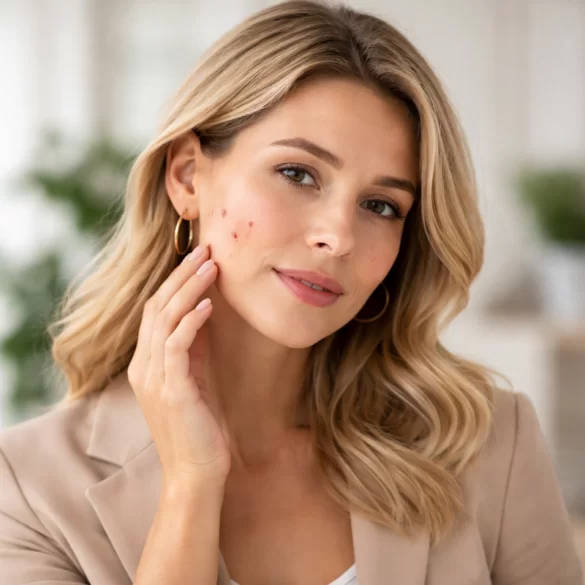
Pus-filled pimples are a colloquial term for inflammatory skin lesions that in dermatology most often correspond to pustules (Latin: pustulae) – skin lesions filled with purulent material. They arise as a result of an inflammatory reaction developing within the pilosebaceous unit, that is, the structure comprising the hair follicle and its associated sebaceous gland. The purulent content consists mainly of leukocytes (immune system cells), bacteria, fragments of dead epidermal cells, and lipids. Pustular pimples are characteristic of conditions associated with inflammation of hair follicles and excessive sebum production, primarily common acne (acne vulgaris). They can occur on the face, back, chest, shoulders, and other areas of skin rich in sebaceous glands.
Pimples with pus – causes
The formation of pus-filled pimples is the result of a complex inflammatory process occurring within hair follicles. Four mechanisms play the most important role in the pathogenesis: excessive sebum secretion, abnormal keratinization of the follicular opening, bacterial colonization, and activation of the immune system's inflammatory response.
The most common causes of purulent skin lesions include:
1. Common acne (acne vulgaris)
This is the most frequent cause of pustular lesions. In the course of the disease there is overproduction of sebum and accumulation of keratinized cells at the follicular opening. A so-called microcomedo forms, which creates an environment favorable to the proliferation of Cutibacterium acnes. These bacteria stimulate an inflammatory reaction leading to the formation of papules and pustules filled with pus.
2. Bacterial folliculitis
Infection of the hair follicles, most often caused by Staphylococcus aureus, can lead to the formation of small pus-filled pustules. Such lesions often appear after shaving, hair removal, or minor skin trauma.
3. Hormonal disturbances
Androgen hormones stimulate sebaceous gland activity and increase sebum production. Therefore, pus-filled pimples occur more often:
- during puberty,
- during the menstrual cycle,
- in polycystic ovary syndrome (PCOS),
- while using certain hormonal medications.
4. Environmental factors and lifestyle
Some external factors may promote the formation of purulent lesions by increasing sebum production or irritating the skin. These include, among others:
- use of comedogenic cosmetics,
- a high-glycemic-index diet,
- chronic stress,
- excessive sweating,
- mechanical friction of the skin (e.g., from clothing, helmets, protective masks).
5. Skin diseases that present with pustules
Purulent skin eruptions can also occur in the course of other dermatological diseases, such as:
- rosacea in its papulopustular form,
- suppurative folliculitis,
- perifollicular inflammation,
- certain autoimmune skin diseases.
In the case of recurrent or numerous lesions, dermatological evaluation is necessary, because pus-filled pimples may be a symptom of a disease requiring specialist treatment.
Pimples with pus – what they look like
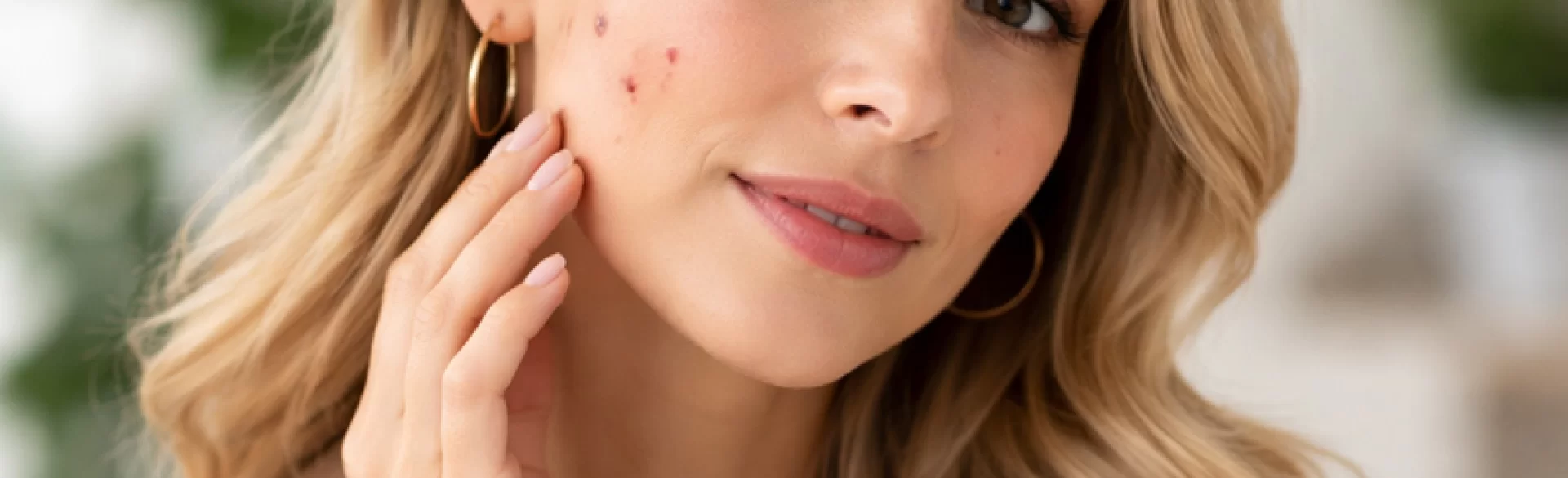
Pustules with pus have a characteristic clinical appearance that distinguishes them from other skin lesions. In dermatology they are referred to as pustules (pustulae) – elevated inflammatory lesions containing purulent material.
Typical features of purulent pimples include:
- a small raised skin lesion,
- whitish or yellowish purulent content in the central part,
- reddened, inflamed skin around the lesion,
- pain or tenderness on pressure.
These lesions may occur singly or in larger clusters. Depending on the severity of the inflammatory process they may take the form of:
- small superficial pustules,
- deeper inflammatory pustules,
- nodular-pustular lesions.
They are most commonly located in areas with a high number of sebaceous glands, such as:
- the face (particularly the T-zone – forehead, nose, chin),
- the back and shoulders,
- the chest,
- the nape of the neck.
After the inflammation subsides, purulent pustules may leave post-inflammatory hyperpigmentation or – in the case of deeper lesions – post-acne scarring
Pimples with pus – how to get rid of them
Treatment of pus-filled pimples depends on the cause of their formation, the severity of the lesions, and their location. In dermatology, topical treatment, systemic therapy, and procedural interventions that support skin regeneration are used.
Topical treatment
In mild and moderate forms of inflammatory lesions, preparations applied directly to the skin are used. They most often contain:
- topical retinoids (e.g., adapalene, tretinoin), which regulate the keratinization of the follicular opening,
- benzoyl peroxide, which has antibacterial and anti-inflammatory effects,
- azelaic acid, limiting bacterial proliferation and reducing inflammation,
- topical antibiotics (e.g., clindamycin) used in bacterial infections.
These preparations reduce the number of bacteria, limit inflammation, and prevent the formation of new lesions.
Systemic treatment
In more severe cases, systemic treatment conducted by a dermatologist may be necessary. The therapy includes, among others:
- oral antibiotics (e.g., doxycycline or lymecycline),
- oral retinoids, such as isotretinoin, in severe forms of acne,
- hormonal treatment in women with androgen disorders.
The goal of therapy is to halt inflammation, reduce sebum production, and prevent the emergence of new skin lesions.
Dermatological and cosmetic procedures
Contemporary aesthetic dermatology offers procedures that support the treatment of inflammatory skin lesions and improve regeneration. The most commonly used methods include:
- chemical peels with salicylic, mandelic, or azelaic acid, which exfoliate the epidermis and unblock follicular openings,
- dermatological laser therapy, reducing sebaceous gland activity and decreasing inflammation,
- LED light therapy, which has antibacterial and anti-inflammatory effects,
- professional skin-cleansing treatments performed in clinical settings.
These procedures are often used as an adjunct to dermatological treatment, especially for people with recurrent acne lesions.
Why pus-filled pimples should not be squeezed
Mechanical squeezing of pustules is one of the most common causes of skin complications. It can lead to:
- spread of bacteria within the skin,
- exacerbation of inflammation,
- formation of post-inflammatory hyperpigmentation,
- formation of acne scars.
For this reason, removal of inflammatory lesions should be carried out only in dermatological or cosmetological settings, where appropriate aseptic principles can be maintained.

