Telomeres
back to main page
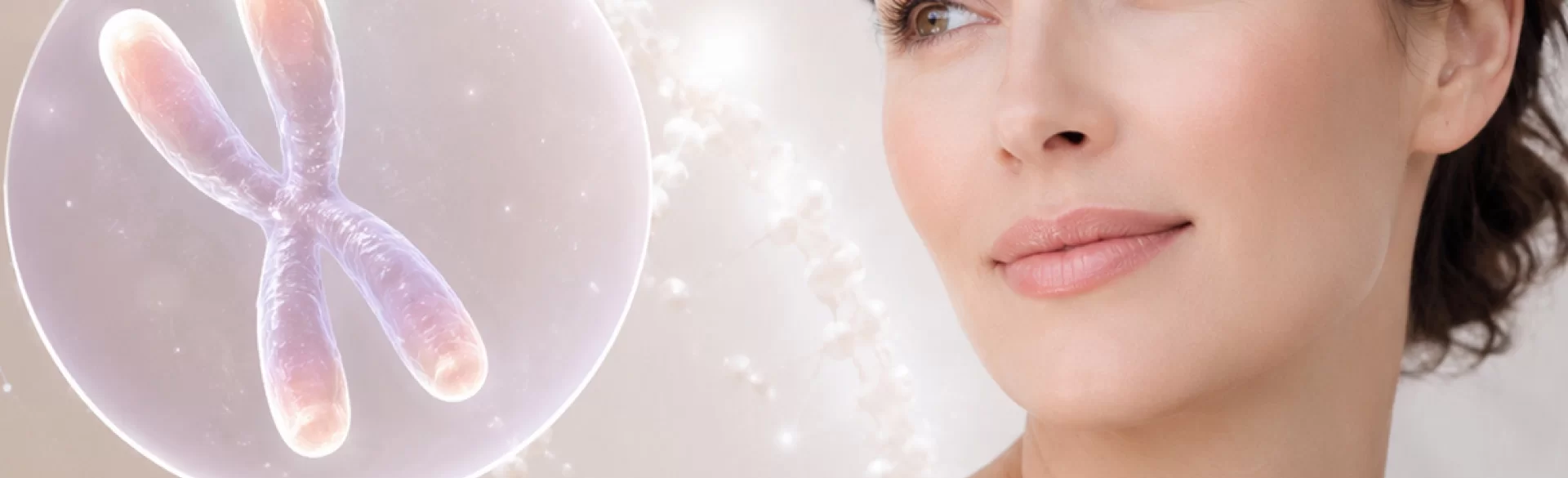
Telomeres are specialized nucleoprotein structures located at the ends of eukaryotic chromosomes. Their primary function is to protect genetic material from degradation, uncontrolled recombination, and the loss of genetic information during cell divisions. They can be compared to biological “protective caps” of chromosomes that safeguard DNA against damage. Telomeres consist of repetitive nucleotide sequences and a complex of protective proteins referred to as shelterin. With age and subsequent cell divisions, telomeres gradually shorten, which is considered one of the key mechanisms of aging. Modern molecular biology treats telomere length as a significant biomarker of biological age and the cellular condition of the organism.
Telomeres – what are they?
Telomeres are located at the ends of all chromosomes and perform a protective function for DNA. In humans, they are formed by thousands of repeats of the TTAGGG nucleotide sequence. Their task is to protect chromosomes from "sticking together" and from the loss of fragments of genetic material during DNA replication.
During each cell division, DNA copying enzymes are unable to reproduce the final fragment of the chromosomal strand. This phenomenon is referred to as the "end replication problem." As a result, after each division, telomeres become shorter. When they reach a critical length, the cell loses the ability for further divisions and enters a state of cellular aging (senescence) or apoptosis, which is programmed cell death.
An important role in maintaining telomere length is played by telomerase — an enzyme capable of rebuilding telomeric fragments. High telomerase activity is observed primarily in:
- stem cells,
- germ cells,
- some immune system cells,
- cancer cells.
In most somatic cells, telomerase activity remains very limited, which is why telomere shortening is a natural part of the body's aging process.
Telomeres – how they shorten with age?
Telomere shortening is a physiological process associated with the number of cell divisions and the body's exposure to oxidative stress and chronic inflammation. Even during the fetal period, telomere length begins to change, and the rate of their shortening depends on both genetic and environmental factors.
In a young organism, DNA repair mechanisms and antioxidant activity function very efficiently. However, with age, there occurs:
- an increase in the number of oxidative DNA damages,
- deterioration of cellular regenerative capacity,
- chronic activation of the immune system,
- accumulation of micro-inflammation known as inflammaging.
This process leads to accelerated telomere shortening and impaired tissue function. This is particularly evident in cells with high proliferative activity, such as:
- skin cells,
- immune system cells,
- gastrointestinal epithelium,
- hair follicles.
Research indicates that individuals with shorter telomeres more frequently exhibit signs of accelerated biological aging, including:
- a decrease in skin elasticity,
- deterioration of metabolic functions,
- higher risk of cardiovascular diseases,
- weakening of immunity,
- increased susceptibility to neurodegenerative diseases.
Telomere length is not, however, solely a "biological clock." An increasing amount of data suggests that the rate of their shortening can be partially modulated by lifestyle and environmental factors.
Telomeres – what accelerates their shortening?
The most important mechanism damaging telomeres is oxidative stress, which is the excessive production of reactive oxygen species (ROS). Telomeres are particularly susceptible to oxidative damage due to their molecular structure.
Factors accelerating telomere shortening primarily include:
Chronic psychological stress
Long-term stress increases cortisol concentration and intensifies inflammatory and oxidative processes. Significantly shorter telomeres are observed in individuals living under chronic tension than in those with lower stress levels.
Tobacco smoking
Cigarette smoke contains a vast number of free radicals and pro-inflammatory substances that damage DNA. Smoking is considered one of the strongest environmental factors accelerating cellular aging.
Highly processed diet
Excessive consumption of simple sugars, trans fats, and ultra-processed food increases oxidative stress and intensifies chronic inflammation.
Sleep deficiency
Sleep is responsible for cellular regeneration and the proper functioning of the immune system. Chronic sleep deficiency is linked to faster telomere shortening and an increased risk of metabolic diseases.
Lack of physical activity
Regular physical exertion improves mitochondrial function, reduces oxidative stress, and supports DNA repair mechanisms. A sedentary lifestyle has the opposite effect.
Obesity and insulin resistance
Visceral adipose tissue exhibits strong pro-inflammatory activity. Chronic inflammation associated with obesity accelerates cellular aging and telomere degradation.
An increasing number of studies are also analyzing the impact of environmental pollution, smog, UV radiation exposure, and chronic infections on telomere length.
Telomeres – link with lifespan
The most important mechanism damaging telomeres is oxidative stress, i.e., the excessive production of reactive oxygen species (ROS). Telomeres are particularly susceptible to oxidative damage due to their molecular structure.
Factors accelerating telomere shortening primarily include:
Chronic psychological stress
Long-term stress increases cortisol levels and intensifies inflammatory and oxidative processes. Significantly shorter telomeres are observed in people living under chronic tension compared to those with lower stress levels.
Tobacco smoking
Cigarette smoke contains a vast number of free radicals and pro-inflammatory substances that damage DNA. Smoking is considered one of the strongest environmental factors accelerating cellular aging.
Highly processed diet
Excessive consumption of simple sugars, trans fats, and ultra-processed food increases oxidative stress and intensifies chronic inflammation.
Sleep deficiency
Sleep is responsible for cellular regeneration and the proper functioning of the immune system. Chronic sleep deficiency is associated with faster telomere shortening and an increased risk of metabolic diseases.
Lack of physical activity
Regular physical effort improves mitochondrial function, reduces oxidative stress, and supports DNA repair mechanisms. A sedentary lifestyle has the opposite effect.
Obesity and insulin resistance
Visceral adipose tissue exhibits strong pro-inflammatory activity. Chronic inflammation associated with obesity accelerates cellular aging and telomere degradation.
An increasing number of studies also analyze the impact of environmental pollution, smog, UV radiation exposure, and chronic infections on telomere length.
Telomeres – how to take care of them?
Although the process of telomere shortening is a natural part of human biology, numerous studies indicate that lifestyle can significantly influence the pace of this process.
The most important actions supporting telomere protection include:
Anti-inflammatory diet
The most beneficial impact is shown by a diet rich in:
- vegetables and fruits,
- omega-3 fatty acids,
- polyphenols,
- fiber,
- low-glycemic index products.
The Mediterranean diet model remains particularly well-studied.
Regular physical activity
Moderate aerobic exercise and strength training improve mitochondrial function, reduce inflammation, and support DNA protection.
Regeneration and sleep
A proper circadian rhythm and adequate sleep duration support cellular repair processes and the body's hormonal regulation.
Stress reduction
Relaxation techniques, meditation, psychological therapy, and social activity can lower levels of chronic biological stress.
Skin protection against UV radiation
Ultraviolet radiation significantly intensifies skin oxidative stress and accelerates cellular aging. Photoprotection is one of the key elements of anti-aging prevention.
Regenerative and anti-aging medicine
Modern aesthetic medicine and regenerative medicine focus on limiting chronic inflammation and improving tissue quality. In clinical practice, the following are used, among others:
- biostimulating therapies,
- regenerative treatments using platelet-rich plasma,
- regenerative mesotherapy,
- fractional laser therapy,
- procedures supporting skin reconstruction and improvement of cellular functions.
The offer includes numerous procedures in the field of regenerative medicine, anti-aging prevention, and therapies that improve skin condition and support the body's biological renewal processes.
